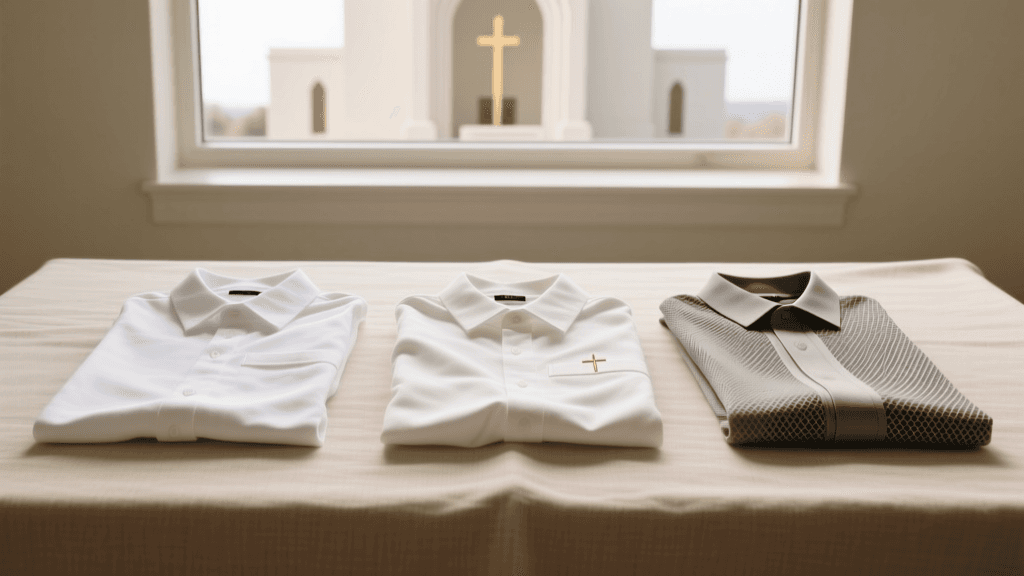
LDS Garment Styles & Materials 2026: Modern Fabric Guide
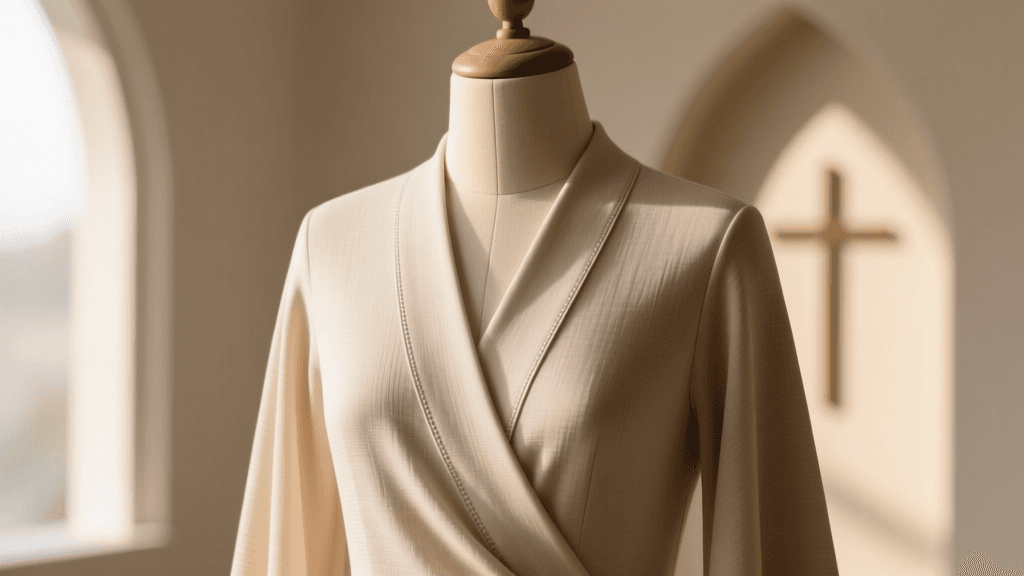
The Intersection of Faith and Modern Textile Engineering
For members of The Church of Jesus Christ of Latter-day Saints, temple garments represent a deeply sacred commitment, serving as a daily, physical reminder of covenants made in the temple. While the spiritual significance of these garments remains eternal and unchanging, the physical construction, materials, and styles have evolved significantly over the decades. As we navigate the climate demands, active lifestyles, and sustainability goals of 2026, the landscape of LDS garment fabrics and styles has seen remarkable modern updates. Today's authorized distribution options offer a wider array of high-performance, eco-friendly, and climate-adaptive materials than ever before, ensuring that members can honor their covenants comfortably in any environment.
A Brief History of Garment Evolution
To appreciate the innovations of 2026, it is helpful to understand the historical trajectory of Latter-day Saint religious clothing. In the mid-19th century, early garments were designed as one-piece union suits, reflecting the modesty standards and textile limitations of the era. They were typically made from heavy, unbleached cotton or wool flannel, which provided warmth but lacked breathability during warmer months. By the 1920s and 1930s, the Church authorized the transition to a two-piece design (a separate top and bottom), which drastically improved daily practicality and comfort. Over the latter half of the 20th century, the introduction of synthetic blends and varied hem lengths allowed for greater discretion under modern fashion trends. Today, as detailed in the Gospel Topics Essay on Temple Garments, the core symbolic markings remain strictly protected, while the surrounding fabric and cut continue to adapt to the global, diverse membership of the Church.
2026 Fabric Innovations & Material Breakdown
The 2026 catalog available through Church Distribution reflects a major push toward sustainable sourcing and advanced moisture-wicking technologies. Members living in tropical climates, those with highly active routines, or those experiencing menopause and hot flashes now have specialized options that were unavailable just a few years ago.
1. Classic 100% Cotton
The traditionalist's choice. 100% cotton remains a staple for its natural feel, hypoallergenic properties, and excellent breathability. However, modern 2026 cotton garments are pre-shrunk using advanced enzymatic washing techniques, solving the historical issue of severe shrinkage in the wash. It remains ideal for temperate climates and those with sensitive skin, though it lacks the structural stretch of modern synthetics.
2. Cotton-Polyester Blends
Combining the softness of cotton with the durability and wrinkle-resistance of polyester, this blend is the workhorse of the garment lineup. It holds its shape exceptionally well throughout the day and dries faster than pure cotton. In 2026, the polyester used in these blends is increasingly sourced from recycled ocean plastics, aligning with broader global sustainability initiatives without compromising the sacred nature of the clothing.
3. Stretch Modal & Micro-Modal
Modal, a semi-synthetic fabric made from beech tree pulp, has revolutionized religious undergarments. It is exceptionally soft, drapes beautifully, and feels cool to the touch. The addition of a small percentage of spandex (usually 4-6%) provides a four-way stretch that moves seamlessly with the body. This is the premier choice for members living in hot, humid climates or those who engage in frequent athletic activities.
4. New for 2026: Bamboo-Charcoal Eco-Blends
The most notable addition to the 2026 lineup is the introduction of bamboo-charcoal infused micro-modal. Bamboo fabric is naturally antibacterial, odor-resistant, and highly moisture-wicking. The infusion of activated charcoal enhances the fabric's ability to regulate body temperature and neutralize odors, making it an unprecedented breakthrough for members working in high-heat environments or engaging in rigorous physical labor.
Material Comparison Chart (2026 Distribution Data)
| Material | Breathability | Stretch Factor | Ideal Climate / Use | 2026 Est. Price (USD) |
|---|---|---|---|---|
| 100% Cotton | High | Low | Temperate / Sensitive Skin | $12.50 - $14.00 |
| Cotton/Poly Blend | Medium | Low-Medium | All-Season / Daily Wear | $12.50 - $14.00 |
| Stretch Modal | Very High | High | Hot, Humid / Active | $16.00 - $18.50 |
| Bamboo-Charcoal Eco | Exceptional | Medium-High | Tropical / Heavy Labor | $19.00 - $22.00 |
Modern Style Updates & Fit Options
Beyond materials, the physical cut and style of the garments have diversified to accommodate modern wardrobes, professional attire, and varied modesty requirements. According to the official Church Distribution catalog, members can now customize their tops and bottoms independently to suit their personal needs.
Women's Top Styles
- Crew Neck: The traditional, higher neckline. Ideal for winter wear or high-collared professional blouses.
- V-Neck: Offers a slightly lower profile, perfect for wearing under button-down shirts or V-neck sweaters without the garment showing.
- Scoop & Ballet Necklines: Designed specifically for modern women's fashion, these wider, lower necklines remain completely hidden under boat-necks, wide-scoop tops, and contemporary dresses while maintaining the required coverage of the symbolic markings.
- Sleeve Variations: Cap sleeves are standard for summer, while half-sleeves and full-length thermal sleeves are available for winter months or specific professional dress codes.
Women's Bottom Styles
- Classic Length: Falls just above the knee, providing maximum coverage and modesty under skirts and dresses.
- Mid-Thigh & Knee-Length: Popular for wearing under pants or shorter skirts, preventing chafing while maintaining discretion.
- Boy-Short / Athletic Cut: A newer, shorter inseam option designed for wearing under athletic wear, leggings, or form-fitting trousers where longer hems might create visible lines.
Men's Style Updates
Men's garments have also seen a shift toward modern underwear silhouettes. While the classic knee-length boxer style remains available, the Boxer-Brief and Athletic Mid-Thigh styles are now the most popular among younger demographics and active men. These styles utilize the same stretch-modal and bamboo fabrics, providing support and preventing bunching under modern, tailored suits or athletic gear.
Purchasing, Sizing, and the 2026 Digital Fitting Tools
Purchasing LDS garments requires an active temple recommend, a policy that underscores their sacred nature. In 2026, the Church has vastly improved the digital purchasing experience. The Church Distribution online portal now features an AI-assisted digital sizing tool. By inputting basic measurements and selecting your preferred fit (snug, standard, or relaxed), the system recommends the exact size and material combination best suited for your body type.
For those who prefer in-person assistance, Temple Distribution centers and local Deseret Book retailers equipped with garment inventory offer private, respectful fitting rooms and expert staff trained to help members find the perfect cut for their unique physical needs, including maternity adaptations and post-surgical modifications. For comprehensive guidelines on temple preparation and clothing standards, members are encouraged to review the official Temple Preparation resources.
Care Instructions for Modern Blends
The introduction of advanced stretch fabrics and bamboo blends in 2026 requires specific care to maintain elasticity and preserve the integrity of the sacred markings.
- Washing: Always use cold or warm water. Hot water will degrade the spandex fibers in stretch modal and bamboo blends over time, leading to sagging.
- Detergents: Use mild, enzyme-free detergents. Avoid fabric softeners, as they coat the moisture-wicking fibers of the bamboo and polyester blends, trapping sweat and reducing breathability.
- Drying: Tumble dry on low heat or air dry. High heat is the enemy of elastane and will cause the garments to lose their shape and shrink.
- Handling Markings: When garments eventually wear out, the markings must be carefully cut out and destroyed before the remaining fabric is discarded or repurposed as cleaning rags, maintaining the reverence due to the sacred symbols.
Conclusion
The 2026 updates to LDS temple garments represent a thoughtful balance between eternal sacredness and temporal practicality. By embracing sustainable bamboo blends, advanced stretch modals, and diverse, modern silhouettes, the Church ensures that members across the globe can wear their covenants comfortably, discreetly, and reverently in every aspect of their modern lives. Whether you are navigating a humid tropical climate, a rigorous athletic routine, or a demanding professional environment, today's garment options provide a deeply personal, highly functional foundation for daily discipleship.