Buying Authentic Maya Huipiles in 2026: A Buyer Guide
The Enduring Legacy of the Maya Huipil
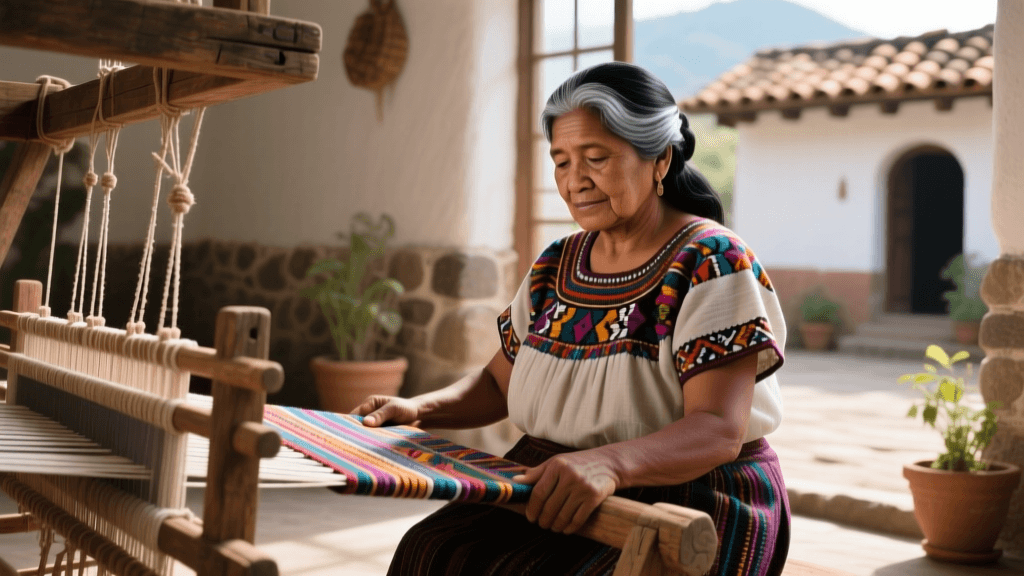
The huipil (pronounced wee-peel) is far more than a traditional garment; it is a woven codex of Indigenous identity, cosmology, and ancestral memory. Worn by Maya women across Guatemala and parts of Mexico, this tunic-like blouse has been a cornerstone of Mesoamerican dress for centuries. As we navigate the global textile market in 2026, the huipil remains a powerful symbol of cultural resilience. However, the rise of fast-fashion imitations and machine-made knockoffs has made it increasingly difficult for collectors, cultural enthusiasts, and ethical fashion consumers to distinguish genuine, hand-woven masterpieces from mass-produced replicas.
According to the UNESCO Intangible Cultural Heritage frameworks, traditional weaving practices are vital to the social fabric of Indigenous communities. In Guatemala, a woman’s huipil instantly communicates her home village, her social standing, and her spiritual beliefs through highly specific geometric motifs, color palettes, and brocade techniques. For the conscious buyer in 2026, understanding these nuances is the first step toward ethical acquisition and cultural preservation.
Backstrap Loom vs. Treadle Loom: Understanding the Technique
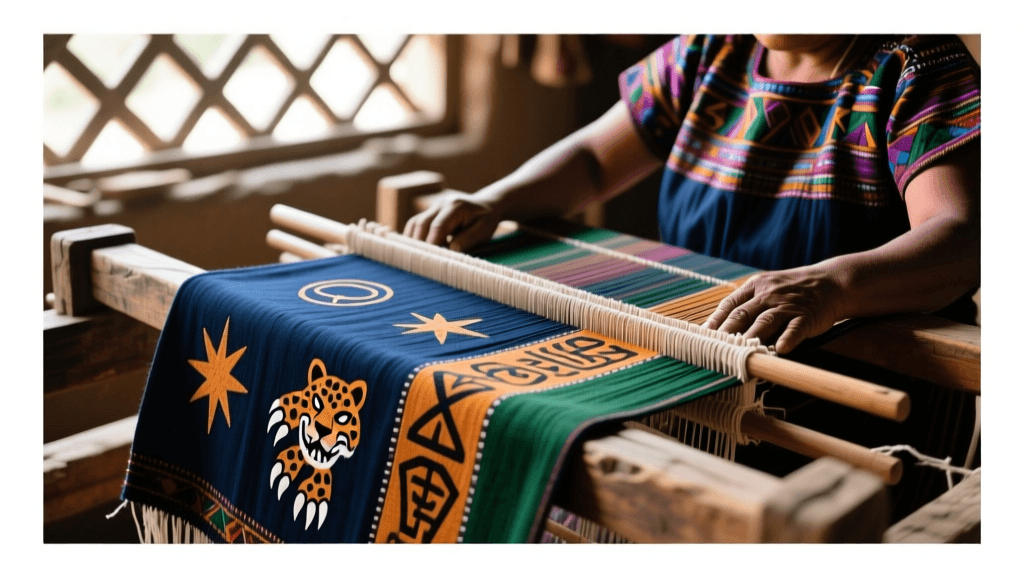
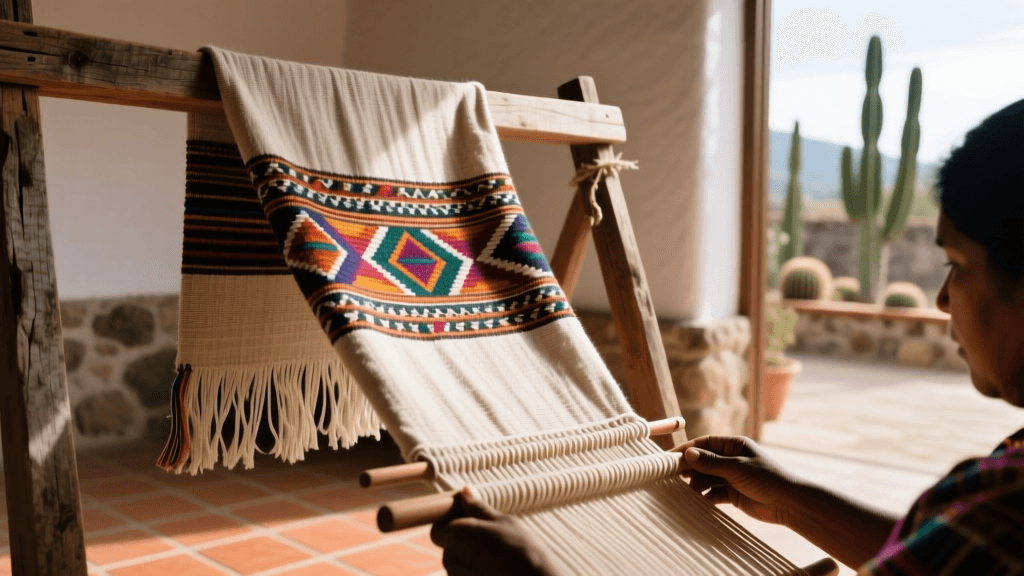
To authenticate a huipil, one must first understand how it is made. The most revered and culturally significant huipiles are woven on a telar de cintura, or backstrap loom. This ancient, pre-Columbian technology consists of a few simple wooden rods, a strap that wraps around the weaver’s lower back, and another end anchored to a tree or post. The weaver’s own body provides the tension for the warp threads. Because the width of the loom is limited by the reach of the weaver’s arms, backstrap-woven textiles are typically produced in narrow panels (usually 12 to 18 inches wide) that are later stitched together.
In contrast, the treadle loom (introduced by the Spanish in the 16th century) is operated by foot pedals and can produce much wider, longer yardage. While treadle looms are still used by artisans for skirts (cortes) and everyday fabrics, the intricate, supplementary weft brocade that defines a ceremonial or high-quality huipil is almost exclusively executed on the backstrap loom. Recognizing the structural differences between these two weaving methods is critical for any serious textile collector in 2026.
2026 Authentication Guide: Spotting Genuine Hand-Woven Textiles
With digital marketplaces flooded with machine-embroidered blouses masquerading as traditional huipiles, knowing what to look for is essential. Here is a comprehensive checklist for verifying authenticity when sourcing garments this year.
1. Examine the Brocade (Supplementary Weft)
Authentic Maya brocade is woven into the fabric, not stitched on top of it. As the weaver passes the shuttle through the warp, she uses a small stick or her fingers to manually pick and raise specific threads, inserting a thicker, brightly colored weft yarn to create the pattern. If you turn the garment inside out, a true hand-woven brocade will show the pattern in reverse, with long 'floats' of thread. Machine embroidery, conversely, will look like a standard stitch applied to the surface of a pre-woven, uniform cloth.
2. Check the Selvedge and Seams (Randas)
Because backstrap looms produce narrow panels, a full huipil is typically made of two or three panels joined together. The decorative stitch used to unite these panels is called a randa. Hand-woven huipiles will feature intricate, hand-stitched randas that often incorporate complex geometric or floral motifs. Additionally, examine the side edges (selvedges). A backstrap-woven panel will have perfectly finished, tight selvedges that do not require hemming, whereas machine-woven fabrics will often show raw edges that have been folded over and sewn.
3. The 'Imperfection' and Tension Test
Human bodies breathe, shift, and tire. Consequently, a hand-woven huipil will exhibit microscopic variations in thread tension. You may notice slight irregularities in the width of the panel or tiny variations in the tightness of the weave. These are not flaws; they are the hallmark of human craftsmanship. Machine-made textiles possess a sterile, mathematical uniformity that is entirely absent in genuine backstrap weaving.
Comparison Chart: Authentic vs. Imitation Huipiles
| Feature | Authentic Hand-Woven Huipil | Machine-Made Imitation |
|---|---|---|
| Pattern Integration | Brocade is woven into the cloth (supplementary weft); visible on the reverse side. | Embroidery is stitched onto the surface of pre-manufactured fabric. |
| Panel Construction | Composed of 2-3 narrow panels joined by decorative hand-stitched seams (randas). | Cut from wide, continuous yardage; seams are standard structural stitches. |
| Selvedge Edges | Finished naturally on the loom; tight and unhemmed. | Raw edges folded and hemmed by machine to prevent fraying. |
| Weave Tension | Slight, organic variations in tension reflecting the weaver's body movements. | Perfectly uniform, sterile tension with zero structural deviations. |
| Production Time | 2 to 6 months of daily weaving. | Minutes per unit in a factory setting. |
Ethical Sourcing and Fair-Trade Pricing in 2026
The exploitation of Indigenous textile arts has been a persistent issue, with middlemen historically purchasing hours of meticulous labor for pennies and reselling them at massive markups in Western boutiques. In 2026, the ethical fashion movement demands transparency. Organizations like the Fair Trade Federation emphasize the importance of direct-trade relationships that ensure living wages and community reinvestment.
When sourcing an authentic huipil today, buyers should seek out established cooperatives that are owned and operated by the weavers themselves. Trama Textiles, for example, is a renowned women’s weaving cooperative in the Guatemalan Highlands that connects over 400 Indigenous weavers directly to the global market, ensuring fair compensation and funding community education initiatives.
Current Market Pricing (2026 Estimates)
Understanding the true cost of labor is vital. A weaver may spend up to eight hours a day for three months to complete a single, heavily brocaded ceremonial huipil. Therefore, pricing reflects this immense dedication:
- Everyday / Utility Huipiles: $120 – $250 USD. These feature simpler brocade patterns, lighter cotton threads, and are designed for daily wear.
- Festival / Regional Huipiles: $300 – $600 USD. Woven with high-quality mercerized cotton or silk blends, featuring dense, complex motifs specific to towns like Nahualá or San Juan Cotzal.
- Ceremonial / Cofradía Huipiles: $800 – $2,500+ USD. These are museum-quality garments, often incorporating natural dyes (like cochineal and indigo), metallic threads, and profound cosmological symbolism. They are rarely made for the commercial market and are usually sourced through specialized textile dealers or direct community commissions.
Caring for Your Hand-Woven Garment
An authentic huipil is an investment in wearable art. To preserve the integrity of the fibers and the vibrancy of the dyes, proper care is non-negotiable. Never machine wash or dry clean a hand-woven backstrap textile. The aggressive agitation of a washing machine can distort the tension and cause the intricate brocade floats to snag and pull.
Instead, fill a basin with cool water and add a small amount of pH-neutral, eco-friendly detergent. Submerge the huipil and gently press the water through the fibers—do not wring, twist, or scrub the fabric. Rinse thoroughly with cool water until the runoff is clear. To dry, lay the garment flat on a clean, dry towel in a shaded, well-ventilated area. Direct sunlight will rapidly fade both natural and synthetic dyes. Once dry, store your huipil flat or gently rolled in acid-free tissue paper to prevent hard creases from weakening the warp threads over time.
Conclusion
Purchasing a Guatemalan Maya huipil in 2026 is an act of cultural appreciation and economic solidarity. By learning to read the language of the loom—identifying the supplementary weft, honoring the randa, and respecting the organic tension of the backstrap weave—buyers can protect themselves from counterfeit goods. More importantly, by committing to fair-trade sourcing and paying the true value of these masterpieces, we ensure that the Maya women who hold this ancestral knowledge can continue to weave their history into the future.