Authentic Guatemalan Huipil Sourcing & Care Guide 2026
The Enduring Legacy of the Mayan Huipil
The huipil (pronounced wee-peel) is far more than a simple garment; it is a profound expression of Mayan cosmology, identity, and ancestral memory. Worn by Indigenous women across Guatemala and parts of Mexico, this traditional tunic serves as a visual language, communicating the wearer's specific village, marital status, and social standing through intricate geometric and zoomorphic motifs. As we navigate the global textile market in 2026, the demand for authentic, ethically sourced Latin American traditional garments has reached an all-time high. However, this surge in popularity has also led to an influx of mass-produced, machine-embroidered imitations that undermine the livelihoods of Indigenous artisans. For collectors, ethical fashion enthusiasts, and textile historians, understanding the nuances of authentic backstrap-loom weaving is essential. This comprehensive guide will equip you with the knowledge to identify, ethically source, and properly care for genuine Guatemalan huipils in today's market.
Anatomy of a Handwoven Huipil
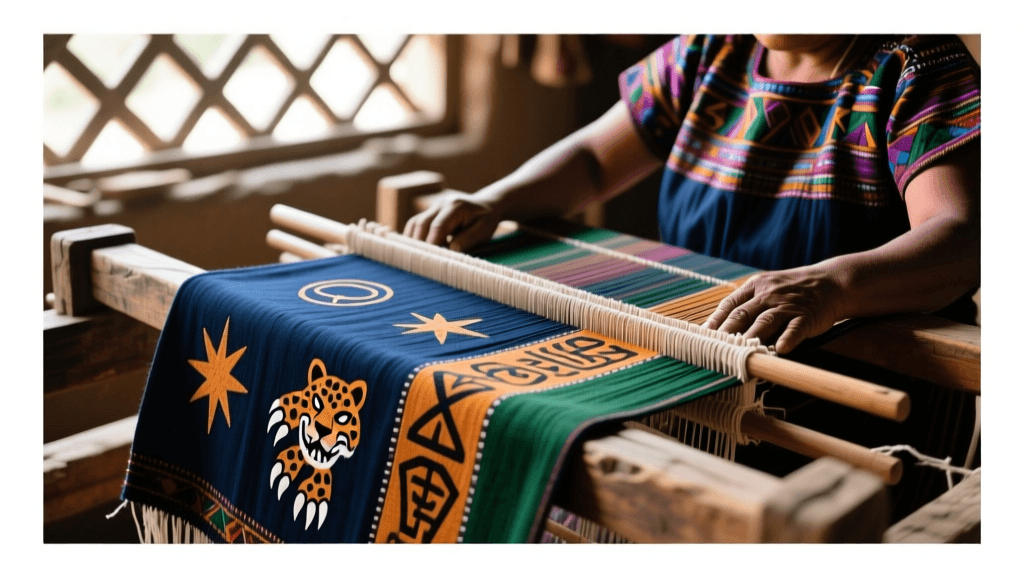
To truly appreciate the huipil, one must understand its construction. A traditional garment is typically composed of one, two, or three vertical panels of handwoven cotton, known as lienzos. These panels are woven on a backstrap loom, an ancient pre-Columbian technology where one end of the loom is tied to a fixed object (like a tree or post) and the other is attached to a strap that wraps around the weaver's lower back. The weaver controls the tension of the warp threads with her body weight, allowing for an incredibly tight, dense weave that is virtually impossible to replicate on modern mechanized looms.
Once the panels are woven, they are joined together using a decorative, hand-stitched seam called a randa. The neckline is often heavily embroidered or adorned with velvet ribbon, and the entire garment is left open at the sides to be worn over a skirt (corte) and secured with a woven sash (faja). The creation of a single, highly detailed huipil can take anywhere from three to eight months of continuous daily weaving, representing a massive investment of time, physical endurance, and artistic vision.
Decoding the Cosmology: Common Motifs
The patterns woven into the fabric are not merely decorative; they are sacred symbols passed down through generations. According to the archives at the Museo Ixchel del Traje Indígena, the premier textile museum in Guatemala City, these motifs map the Mayan understanding of the universe. The most prevalent symbol is the diamond, which represents the four cardinal points and the daily path of the sun. You will also frequently see the double-headed eagle (representing the duality of looking to the past and the future), the quetzal bird (symbolizing liberty and the divine), and various agricultural motifs like toads and corn stalks, which are invocations for rain and a bountiful harvest. In 2026, master weavers from regions like San Juan La Laguna are also incorporating contemporary environmental motifs, reflecting modern Indigenous ecological movements.
How to Identify Authentic Handwoven Huipils in 2026
With the rise of AI-generated textile patterns and advanced computerized embroidery machines, distinguishing a genuine handwoven huipil from a factory-made replica requires a trained eye. Here are the definitive tests used by textile appraisers:
1. The Brocade vs. Embroidery Test
Authentic Mayan designs are created using a supplementary weft technique known as brocade. The decorative threads are woven into the fabric as it is being created on the loom. To verify this, turn the garment inside out. A true brocaded huipil will look nearly as clean and vibrant on the reverse side as it does on the front, with the pattern integrated into the weave. Conversely, machine or hand embroidery is stitched onto a pre-existing piece of cloth. The back of an embroidered piece will show messy, tangled threads, knots, and a distinct layer of backing material.
2. The Selvage Edge Inspection
Because the backstrap loom weaves the fabric to its exact final width, the lateral edges (selvages) of an authentic panel are naturally finished and perfectly clean. They will not have serged, zig-zag, or overlocked stitching, which is a hallmark of machine-cut commercial fabrics. If you see machine stitching preventing the edges from fraying, the textile was cut from a larger bolt of factory-produced cloth.
3. The Tension and Imperfection Test
Human bodies breathe, shift, and tire. As a result, a genuine backstrap-woven textile will have microscopic variations in thread tension. You may notice slight, almost imperceptible shifts in the width of the panel or tiny variations in the tightness of the weft. These are not flaws; they are the fingerprints of the weaver and the ultimate proof of human craftsmanship.
Ethical Sourcing Channels and 2026 Pricing
Sourcing a huipil ethically means ensuring that the financial compensation directly supports the Indigenous women who preserve these ancestral techniques. Organizations like the Maya Traditions Foundation have spent decades establishing fair-trade frameworks that guarantee living wages, access to healthcare, and educational scholarships for weaving cooperatives. When purchasing in 2026, expect to pay prices that reflect the months of labor involved. A brand-new, daily-wear huipil from a fair-trade cooperative will typically cost between $150 and $350 USD, while a ceremonial huipil featuring natural dyes and complex, multi-panel brocade can easily command $800 to $2,500 USD or more.
| Sourcing Channel | Price Range (USD 2026) | Authenticity Guarantee | Ethical Impact & Weaver Compensation |
|---|---|---|---|
| Fair-Trade Cooperatives (e.g., Trama Textiles) | $180 - $600 | 100% Guaranteed Handwoven | Maximum impact. Weavers receive upfront payments, healthcare, and community dividends. |
| Direct from Artisans (Guatemala Markets) | $100 - $400 | High (Requires Buyer Knowledge) | Direct cash injection to the weaver, but lacks the systemic support of cooperative structures. |
| Vintage Textile Dealers | $250 - $1,500+ | Variable (Appraisal Recommended) | Preserves history, but original weaver is rarely compensated. Profits go to the dealer/collector. |
| Boutique Exporters / Online Marketplaces | $150 - $800 | Moderate (Beware of 'Inspired By' fakes) | Variable. Must verify the retailer's transparency report regarding supply chain ethics. |
For those looking to support weavers directly while ensuring fair wages, cooperatives like Trama Textiles remain the gold standard in 2026, connecting over 400 weavers across the Guatemalan highlands to the global market without exploitative middlemen.
The Natural Dye Revival: Cochineal and Indigo
While the mid-20th century saw a massive shift toward cheap, synthetic aniline dyes, the 2020s have witnessed a triumphant renaissance of natural dyeing techniques. Today's conscious collectors specifically seek out huipils dyed with pre-Columbian botanical and insect-based pigments. The most prized of these is cochineal (Dactylopius coccus), a parasitic scale insect that lives on the nopal cactus. When dried and crushed, it yields a spectacular, colorfast spectrum of reds, pinks, and purples. Indigo, derived from the Indigofera suffruticosa plant, provides deep, rich blues. The extraction and fermentation processes required for natural dyes add weeks of labor to the creation of a garment, significantly increasing its value and ecological sustainability. When purchasing a naturally dyed piece, request a certificate of authenticity from the cooperative detailing the mordants (like alum or iron) used to set the colors.
Proper Care and Maintenance for Handwoven Cotton
An authentic huipil is an investment that, if cared for properly, will last for generations. The heavy cotton threads and dense brocade require gentle, specialized maintenance to prevent warping and color bleeding.
- Washing: Never machine wash a handwoven huipil. Hand wash the garment in cool water using a pH-neutral, eco-friendly detergent. Avoid harsh chemical bleaches or optical brighteners, which will degrade the natural cotton fibers and strip natural dyes.
- Drying: Do not wring or twist the fabric, as this will permanently distort the tension of the warp threads. Gently press the water out between two clean, dry towels. Lay the garment completely flat on a mesh drying rack in the shade. Direct sunlight will rapidly fade both synthetic and natural dyes.
- Ironing: If the garment requires pressing, use a low-heat steam iron and always place a cotton pressing cloth between the iron and the brocade. Ironing directly on the supplementary weft threads can cause them to melt (if synthetic blends are present) or flatten the beautiful, raised texture of the brocade.
- Storage: Store your huipil folded with acid-free tissue paper to prevent deep creases. Avoid wire hangers, which can stretch the shoulder seams and distort the neckline embroidery over time.
Styling and Displaying Your Huipil Respectfully
In 2026, the conversation around cultural appreciation versus appropriation is more nuanced than ever. Wearing a huipil as a tunic over modern trousers or a skirt is widely celebrated when the garment is sourced ethically and worn with an understanding of its cultural weight. However, cutting, tailoring, or altering a vintage huipil to fit Western fashion silhouettes is strongly discouraged by Indigenous communities, as it destroys the structural integrity and cosmological map of the garment. If a huipil is too fragile to wear, or if you possess a highly valuable ceremonial piece, consider having it professionally mounted on an archival, UV-protected shadowbox frame. Displaying it as textile art in your home honors the mastery of the weaver and preserves the physical history of Mayan textile arts for decades to come.