Hanfu Milestones 2026: Coming Of Age & Graduation Rites Guide
The Renaissance of Hanfu in Life Milestones
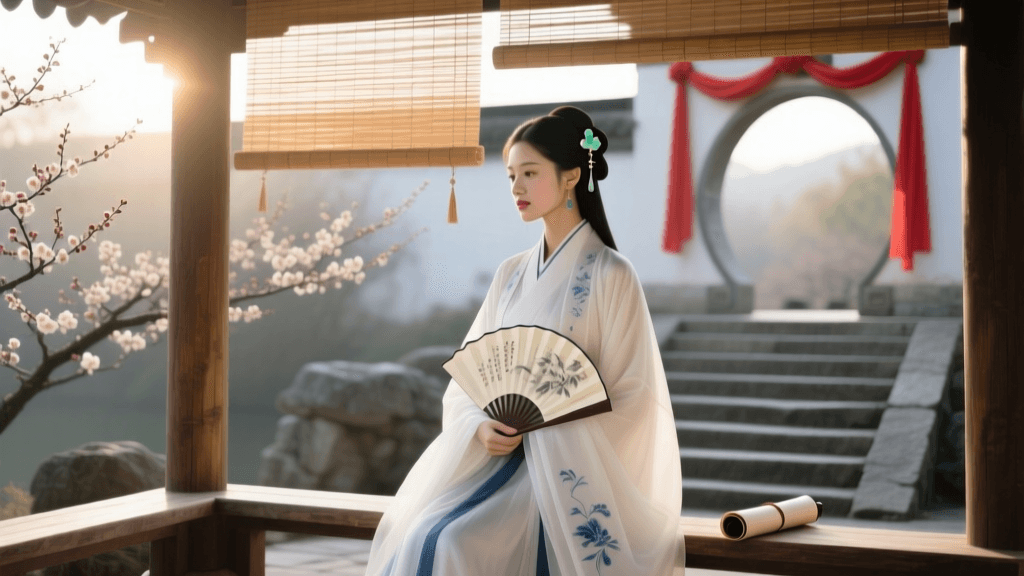
As we navigate through 2026, the Hanfu movement has transcended its origins as a niche historical appreciation hobby to become a deeply integrated component of major life milestones across China and the global Asian diaspora. No longer reserved solely for casual streetwear or photography, traditional Chinese garments are now the standard for sacred rites of passage. From the ancient coming-of-age ceremonies to modern university graduations, the sartorial choices of 2026 reflect a sophisticated blend of historical accuracy and contemporary cultural pride.
According to recent cultural analyses featured in China Daily's cultural coverage, the demand for ceremonial-grade Hanfu has surged by over 40% this year, driven by a younger generation seeking to anchor their personal achievements in millennia-old traditions. This guide explores the intricate world of Hanfu for life milestones, focusing on the Guan Li (capping ceremony), Ji Li (hair-pinning ceremony), and the rapidly evolving landscape of academic graduation regalia.
The Coming of Age: Guan Li and Ji Li in the Modern Era
The concept of adulthood in traditional Chinese culture is intrinsically linked to the philosophy of 'Li' (rites and propriety). Historically, a boy became a man at 20 through the Guan Li, while a girl became a woman at 15 through the Ji Li. In 2026, these ages have largely been adapted to align with modern educational milestones, typically occurring at age 18 to coincide with high school graduation and university entrance.
Guan Li: The Capping Ceremony
The Guan Li is a profound ritual that signifies a young man's transition into civic responsibility. The ceremony is defined by the 'San Jia' (Three Additions), where the youth is dressed in progressively more formal attire, each layer carrying distinct symbolic weight.
- First Addition (Zhui Bu Cap): The youth wears a simple cotton or linen Shenyi (deep robe) with a black Zhui Bu cap. This represents the foundation of moral character and the shedding of childhood frivolity.
- Second Addition (Pi Bian Cap): The garment shifts to a more refined silk Shenyi, accompanied by a Pi Bian (leather or stiffened fabric cap). This symbolizes the duty to protect one's family and nation, and the readiness to take on societal burdens.
- Third Addition (Jue Bian Cap): The final layer features the formal Jue Bian cap and a richly embroidered Xuan Duan (formal sacrificial dress) or a high-grade Ming-style round-collar robe. This signifies the right and responsibility to participate in ancestral worship and state affairs.
Ji Li: The Hair-Pinning Ceremony
For young women, the Ji Li is an elegant and deeply moving ceremony. The focal point is the transition from wearing hair in simple childhood braids to sweeping the hair up and securing it with a 'Ji' (hairpin). In 2026, it is common for the presiding elder (often the mother or a respected female mentor) to gift a bespoke jade or gold hairpin. The garment of choice is typically the Ming Dynasty-style Ao Qun (jacket and skirt) or the flowing Wei Jin-style Quju, emphasizing grace, maturity, and familial devotion.
Comparing the Rites: A 2026 Ceremonial Breakdown
Understanding the distinctions between these ceremonies is vital for families planning a milestone event this year. The table below outlines the core components of each rite as practiced in 2026.
| Ceremony | Traditional Age | Modern 2026 Age | Primary Garment | Key Accessory & Symbolism |
|---|---|---|---|---|
| Guan Li (Male) | 20 | 18 (University Entrance) | Shenyi / Xuan Duan | Three Caps (Civic, Martial, Spiritual duties) |
| Ji Li (Female) | 15 | 18 (University Entrance) | Ao Qun / Quju | Hairpin (Ji) - Elegance and familial maturity |
| Xuedian (Academic) | N/A | 22 (Bachelors) / 25 (Masters) | Shenyi with Academic Hood | Yunjian (Cloud Collar) - Scholarly achievement |
Academic Milestones: Hanfu at University Graduations
One of the most striking developments in 2026 is the widespread adoption of 'Xuedian' (academic Hanfu) for university graduation ceremonies. Moving away from the Western-style black gowns and mortarboards, universities across Beijing, Xi'an, and Hangzhou have officially sanctioned the use of Xin Zhongshi (new Chinese style) academic regalia.
Blending Tradition with Academic Regalia
The modern Chinese graduation gown is a masterclass in functional heritage. It typically utilizes the Han Dynasty Shenyi silhouette, characterized by its deep, wrapping robe structure and wide sleeves. However, the 2026 iterations incorporate color-coded academic hoods inspired by the traditional Yunjian (cloud collar).
- Bachelor's Degree: Features a black Shenyi with a dark blue cloud collar trim, representing the depth of foundational knowledge.
- Master's Degree: Incorporates deep crimson accents and subtle Song-style brocade weaving along the lapels, denoting advanced scholarly pursuit.
- Doctoral Degree: Reserved for the most prestigious ceremonies, utilizing imperial yellow and crimson Xiangyunsha (gambiered Canton gauze) silk, complete with a traditional scholar's hat (Futou) rather than a mortarboard.
For a deeper understanding of the historical textiles that inspire these modern academic gowns, the Palace Museum's digital archives offer extensive resources on Ming and Qing dynasty court and scholar robes, which serve as the direct blueprint for today's ceremonial wear.
Sourcing and Budgeting for Milestone Hanfu in 2026
Acquiring the correct garments for these rites requires careful planning. The market in 2026 offers distinct pathways depending on your budget, timeline, and desire for authenticity.
Rental vs. Bespoke Tailoring
For coming-of-age ceremonies, many families opt for high-end rental services, which have become highly standardized in major cultural hubs. In cities like Chengdu and Xi'an, ceremonial rental packages for 2026 typically range from 800 to 1,500 RMB ($110 to $210 USD). These packages include the full three-stage garment set for Guan Li, professional hair styling for Ji Li, and the services of a certified rites master to guide the ceremony's choreography.
Conversely, graduation Hanfu is almost exclusively purchased, as it is treated as a lifelong keepsake. A bespoke, made-to-measure graduation Shenyi utilizing authentic mulberry silk and traditional loom-woven trims will cost between 3,500 and 6,000 RMB ($490 to $840 USD) in 2026. Lead times for bespoke tailoring in Suzhou or Hangzhou currently average 6 to 8 weeks, necessitating early ordering before the June graduation season.
Fabric Considerations for Ceremonial Wear
When selecting fabrics for milestone events, drape and acoustic qualities are paramount. The rustle of heavy silk adds a sensory layer to the solemnity of the rites.
- Xiangyunsha (Gambiered Canton Gauze): Highly prized in 2026 for its breathable, water-resistant properties and deep, earthy luster. Ideal for summer graduation ceremonies.
- Song Brocade (Song Jin): Used primarily for structural elements like collars, cuffs, and Yunjian. Its flat, geometric patterns convey scholarly restraint.
- Heavy Silk Duan (Satin): The standard for winter or indoor Ji Li ceremonies, providing the necessary weight to ensure the Ao Qun drapes flawlessly without clinging.
Etiquette, Storage, and Preservation
A milestone garment is an heirloom. Proper storage is critical to ensure the Hanfu survives to be passed down to the next generation. In 2026, conservation-grade storage has become accessible to consumers. Avoid plastic garment bags, which trap moisture and cause silk to yellow and degrade. Instead, wrap the garments in unbleached, acid-free cotton muslin.
When folding a Shenyi or Ao Qun, never fold directly along the embroidered seams, as this will eventually snap the metallic or silk threads. Use rolled acid-free tissue paper to pad the folds and store the garments flat in a cedar-lined chest, which naturally repels silverfish and moths without the use of harsh chemical mothballs that can stain delicate dyes.
Conclusion
The integration of Hanfu into life milestones in 2026 is far more than a fleeting fashion trend; it is a profound reclamation of cultural identity. Whether a young man is receiving his first cap, a young woman is having her hair pinned, or a scholar is walking across the graduation stage, these garments serve as a tangible link to the past and a dignified armor for the future. By understanding the historical weight, selecting appropriate textiles, and respecting the sanctity of the rites, participants ensure that these milestones are honored with the reverence they deserve.