Kimono Silhouettes on 2026 Global Runways: Top Designer Trends
The 2026 Runway Renaissance: Heritage Meets Haute Couture
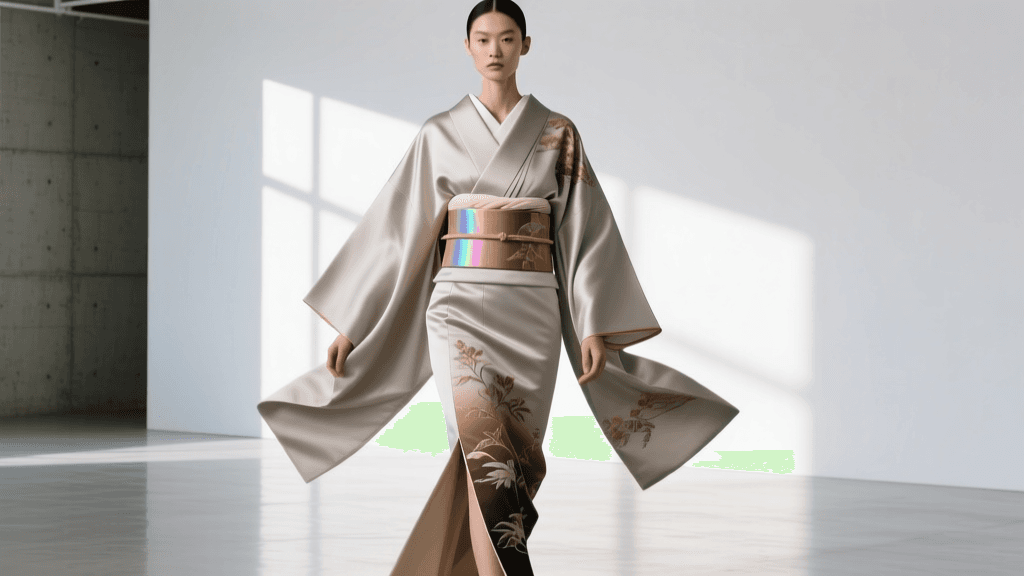
As the global fashion industry navigates the Spring/Summer and Autumn/Winter 2026 seasons, a profound sartorial dialogue is unfolding on the runways of Paris, Milan, and Tokyo. The kimono, a garment with over a millennium of history, has transcended its traditional boundaries to become a foundational blueprint for contemporary high fashion. In 2026, the integration of Japanese garment structures into Western and global avant-garde fashion is no longer mere pastiche; it is a sophisticated study in architectural draping, sustainable textile innovation, and modular styling. From the hallowed halls of the Grand Palais in Paris to the neon-lit showcases of Tokyo Fashion Week, designers are deconstructing the kimono’s iconic T-shaped silhouette to address modern demands for fluidity, gender-neutral styling, and artisanal craftsmanship.
This year’s collections highlight a distinct shift away from the restrictive tailoring of early 2020s fashion, favoring the forgiving, linear geometry of traditional Japanese clothing. Luxury houses are collaborating directly with multi-generational weaving guilds in Kyoto and Kanazawa, ensuring that the 2026 runway is not only a visual spectacle but a vital economic lifeline for endangered Asian textile traditions. By examining the structural adaptations and material innovations of the 2026 season, we can understand how the kimono continues to dictate the future of global fashion.
Deconstructing the Silhouette: Traditional Elements vs. 2026 Adaptations
The genius of the 2026 runway interpretations lies in their ability to isolate specific components of the kimono and exaggerate them for modern contexts. Designers are stripping away the rigid rules of traditional kitsuke (the art of kimono dressing) and replacing them with intuitive, modular styling. Below is a comparative analysis of how traditional elements are being reimagined for the 2026 haute couture and ready-to-wear markets.
| Traditional Element | 2026 Runway Adaptation | Key Designers & Brands Leading the Trend |
|---|---|---|
| Obi (Sash) | Corseted, wide-band cummerbunds featuring adjustable modular hardware and vegan leather accents. | Thom Browne, Maison Margiela, Undercover |
| Haori (Jacket) | Oversized, drop-shoulder duster coats with hidden internal weighting for dramatic, fluid movement. | Yohji Yamamoto, Lemaire, The Row |
| Furisode (Long Sleeves) | Exaggerated, detachable bishop sleeves that can be zipped or buttoned onto minimalist slip dresses. | Comme des Garçons, Simone Rocha |
| Miyatsukuchi (Side Slits) | Deep, asymmetrical side vents on tailored wool coats, allowing for layering and dynamic draping. | Jil Sander, Issey Miyake (Satoshi Kondo) |
| Kasane (Layering) | Pre-styled, multi-layered slip garments mimicking the Edo-period aesthetic of visible collar edges. | Dries Van Noten, Chloé |
Textile Innovation: Nishijin-ori and Sustainable Silk in 2026
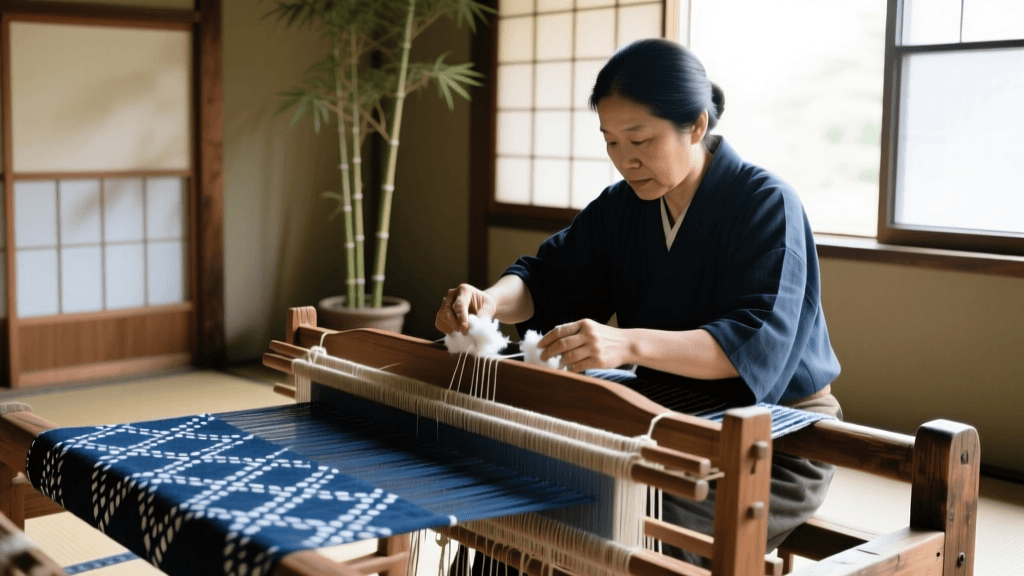
Beyond the silhouette, the true luxury of the 2026 kimono-inspired collections lies in the textiles. With the European Union’s stringent 2026 sustainability mandates on textile traceability, luxury brands have turned to Japan’s heritage weaving techniques, which inherently champion longevity and zero-waste loom practices. Nishijin-ori, the intricate brocade weaving technique native to Kyoto, has seen a massive resurgence on the runways this year. However, the 2026 iterations utilize recycled metallic threads and peace silk (ahimsa silk), marrying ancient artistry with modern ecological imperatives.
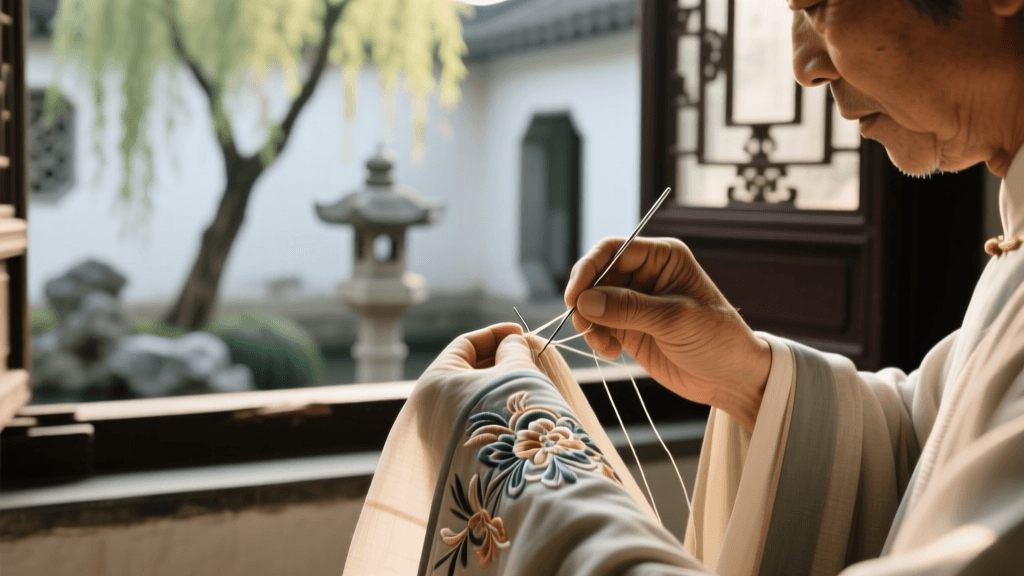
The historical weight of these fabrics cannot be overstated. As documented by the Metropolitan Museum of Art's extensive archives on Japanese textiles, techniques like shibori (shaped-resist dyeing) and nishijin weaving have historically been revered as high art forms, requiring decades of mastery. In 2026, fashion houses are finally compensating these artisans equitably, moving away from the cultural extraction of the past decade. Runway garments featuring authentic, hand-loomed Nishijin brocade are now accompanied by digital passports detailing the specific artisan guild, the origin of the silk, and the carbon footprint of the dyeing process, setting a new gold standard for luxury transparency.
Actionable Styling: Bringing the 2026 Runway Home
You do not need a haute couture budget to incorporate the sophisticated, kimono-inspired trends of 2026 into your daily wardrobe. The key is to focus on proportion, drape, and intentional layering. Here is a practical guide to adopting these global runway trends, complete with specific measurements and current market pricing.
1. The Modern Haori Duster
Instead of purchasing a fast-fashion imitation, invest in a vintage or contemporary artisanal haori to wear as an open duster coat over modern basics like tailored trousers and fitted turtlenecks. Measurements to look for: A back length (mitake) of 80cm to 95cm provides the perfect midi-length duster effect for most heights. Budget: Authentic vintage silk haori from the 1980s and 1990s can be sourced from specialized online kimono dealers or Japanese proxy services for between $150 and $350 in 2026. Look for unlined (hitoe) styles for spring and summer layering.
2. The Obi-Inspired Wide Belt
The rigid, 30cm traditional maru obi is impractical for daily wear, but the 2026 runway trend of the "obi belt" is highly accessible. Styling advice: Opt for a wide, structured belt measuring 10cm to 15cm in width. Wrap it over an oversized blazer or a fluid slip dress to cinch the waist and create the iconic kimono hourglass illusion without the bulk. Materials: Seek out stiff cotton canvas, vegan leather, or upcycled brocade. Prices for independent designer obi-style belts currently range from $80 to $250.
3. The Wrap-and-Tie Silhouette
The kimono is fundamentally a wrap garment, relying on tension and folding rather than buttons and zippers. Embrace 2026’s modular wrap dresses and skirts that utilize internal ties (himo) and external sashes. Brands like Issey Miyake and its subsidiary lines continue to offer pleated, geometric wrap garments that echo the kimono’s flat-pack construction. These pieces are ideal for travel, as they resist wrinkling and adapt to fluctuating body measurements, embodying the ultimate intersection of tradition and modern utility.
Cultural Appreciation vs. Appropriation: The 2026 Standard
As Western designers continue to mine global cultures for inspiration, the line between appreciation and appropriation remains a critical conversation in fashion journalism. In 2026, the industry standard has shifted decisively toward collaborative appreciation. Top fashion houses are no longer simply copying kimono prints; they are engaging in co-creation with Japanese cultural custodians.
The Victoria and Albert Museum's comprehensive research on the kimono emphasizes its historical role as a dynamic, evolving canvas for art and social signaling, rather than a static, fragile relic. This perspective has empowered Japanese designers and international allies to treat the kimono as a living garment. In 2026, runway shows featuring kimono silhouettes are frequently accompanied by educational programming, artisan spotlights, and direct profit-sharing models with Kyoto-based weaving cooperatives. This ensures that the global fascination with Asian traditions actively contributes to the preservation of the very craftsmanship it celebrates.
Conclusion: The Enduring Architecture of the Kimono
The presence of the kimono on the 2026 global runways is a testament to its flawless architectural design. Long before the advent of modern sustainable fashion, the kimono was a masterclass in zero-waste pattern cutting, modular styling, and generational longevity. As designers in Paris, Milan, and Tokyo continue to deconstruct and rebuild this iconic garment, they are not merely borrowing from the past; they are proving that the traditional Asian garment holds the blueprint for the future of thoughtful, expressive, and sustainable global fashion. By understanding the nuances of the haori, the structure of the obi, and the artistry of Nishijin-ori, fashion enthusiasts can participate in a rich, cross-cultural dialogue that honors heritage while embracing the avant-garde.