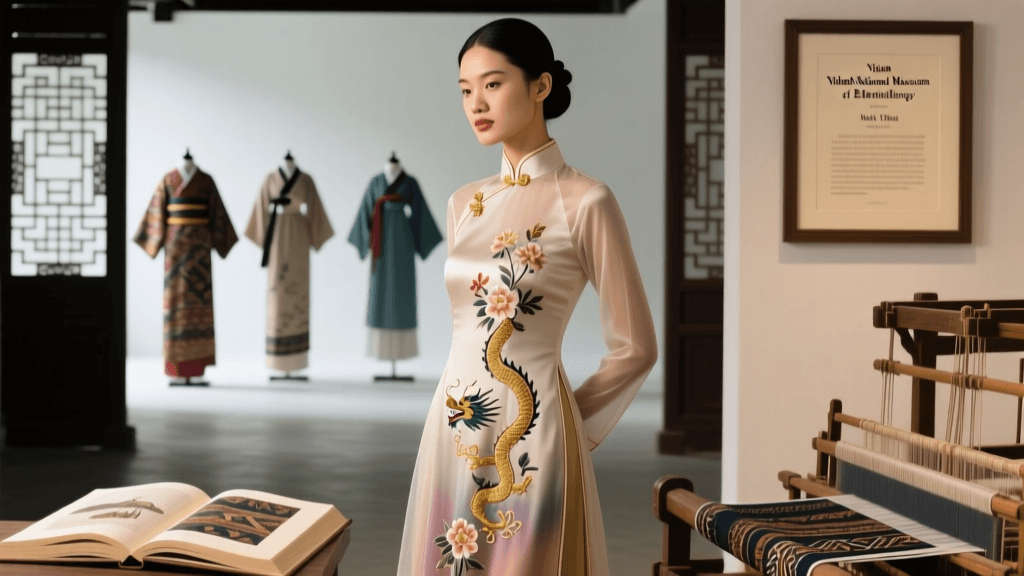
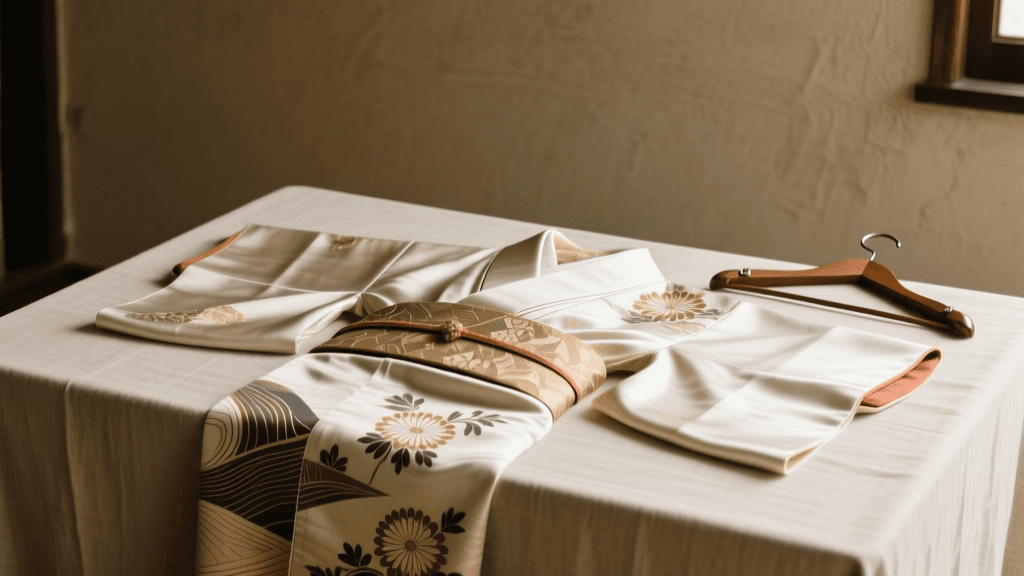
Tracing Kimono Textile Trade Routes: 2026 Import Revival Guide
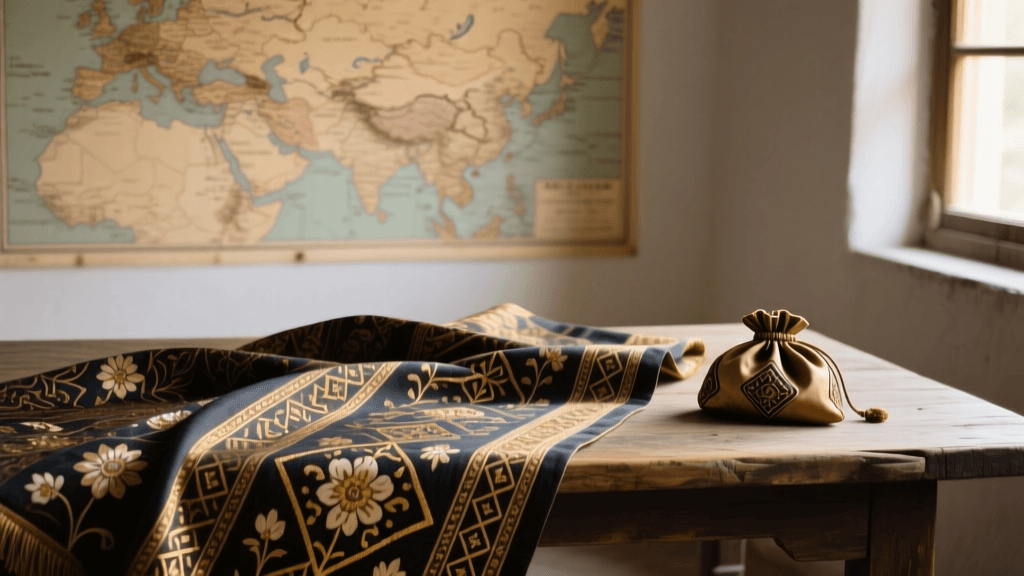
The Global Canvas: How Trade Routes Shaped the Kimono
When we envision the traditional Japanese kimono, it is easy to imagine an isolated, purely domestic art form born entirely from the Japanese archipelago. However, as we navigate the textile landscape in 2026, historians and artisans are increasingly celebrating the kimono as a vibrant canvas of global exchange. From the overland Silk Road to the maritime routes navigated by the Dutch East India Company (VOC), historical imports have profoundly dictated the evolution of Japanese garment aesthetics. Today, a massive revival movement in Kyoto is reclaiming these ancient trade-route textiles, blending historical imports with modern 2026 weaving technology.
Understanding the foreign origins of beloved kimono motifs and weaving techniques is essential for modern collectors, fashion historians, and enthusiasts. This comprehensive guide explores the historical trade routes that imported foreign textiles into Japan, the specific motifs that resulted from these exchanges, and how you can source authentic revival pieces in the current 2026 market.
The Arteries of Aesthetics: Silk Road and Maritime Imports
Japan’s textile history is deeply intertwined with its neighbors and distant trading partners. According to the Metropolitan Museum of Art's Heilbrunn Timeline of Art History, the foundational aesthetics of the kosode (the precursor to the modern kimono) were heavily influenced by Tang Dynasty China, which itself was a terminus for the Silk Road. Persian, Indian, and Central Asian motifs traveled through China before being assimilated into Japanese court and later merchant-class clothing.
By the Edo period (1603–1867), despite the sakoku (closed country) isolationist policy, Japan maintained a tightly controlled trading post at Dejima in Nagasaki. Through this narrow maritime window, Indian cottons, European wools, and Southeast Asian dyestuffs flooded into the Japanese market, fundamentally altering the trajectory of kimono textile production.
Three Major Historical Imports in Kimono Design
1. Persian Motifs: Karakusa and the Peony
The karakusa (arabesque) pattern is ubiquitous in Japanese textiles, often seen on furoshiki (wrapping cloths) and the linings of high-end kimono. Originating in the Hellenistic world and refined in Persia, this scrolling vine motif traveled the Silk Road through China to Japan. Similarly, the botan (peony), known as the 'King of Flowers' in Japanese design, was imported from China but carries deep Persian and Central Asian symbolic roots regarding wealth and honor. In 2026, Nishijin weavers are reviving the heavy, asymmetrical Persian-style peony brocades that were popular among the Edo-period aristocracy.
2. Indian Chintz: The Sarasa Phenomenon
Perhaps no historical import impacted Japanese fashion quite like sarasa—the Japanese term for Indian Coromandel Coast chintz. Traded by the Dutch and Portuguese in the 16th and 17th centuries, these vibrantly dyed, floral-patterned cottons were initially so rare and expensive that they were cut into small pieces to be used for the linings of kosode or crafted into precious tea ceremony accessories (shifuku). The Victoria and Albert Museum highlights how Japanese dyers eventually developed wazarasa (Japanese-made sarasa) using stencil dyeing (katazome) to mimic the imported Indian textiles, creating a hybrid aesthetic that remains highly sought after by vintage collectors today.
3. European Imports: Rasha and Gobelin
Through the Nagasaki port, Dutch traders imported rasha (a thick, fulled woolen cloth) and tapestry-woven textiles reminiscent of French Gobelin weaves. Because Japan lacked a native sheep-farming tradition, imported wool was a luxury commodity. Rasha was frequently used to craft haori (jackets) for high-ranking samurai and wealthy merchants during the winter. Today, modern 2026 interpretations of rasha haori utilize sustainably sourced Merino blends, mimicking the historical weight and drape of the Dutch imports.
The 2026 Nishijin Revival: Reclaiming Trade Route Aesthetics
In 2026, the Nishijin Textile Guild in Kyoto has launched a major initiative to digitally archive and physically recreate 'lost' trade-route textiles. By combining 19th-century jacquard loom mechanics with 2026 AI-assisted pattern drafting, artisans are recreating complex sarasa and Persian-influenced nishijin-ori (brocade) weaves that were previously thought lost to time.
For the modern buyer, this means access to historically accurate, newly woven obi (sashes) and kimono that feature the rich, cross-cultural motifs of the Silk Road and maritime routes, but with the structural integrity and vibrant, colorfast dyes of modern textile science.
2026 Buyer’s Guide: Sourcing Trade-Route Inspired Textiles
Whether you are hunting for an Edo-period antique or commissioning a 2026 revival piece, understanding the market pricing and identification markers is crucial. Below is a comparative breakdown of historical import textiles in the current market.
| Textile Type | Historical Origin | Identification Markers | Vintage (Edo/Meiji) Price (2026) | Modern Revival Price (2026) |
|---|---|---|---|---|
| Sarasa (Chintz) | India (Coromandel) | Madder red/indigo dyes, asymmetric floral vines, cotton base. | ¥80,000 - ¥250,000 ($530 - $1,650 USD) | ¥45,000 - ¥90,000 ($300 - $600 USD) |
| Karakusa Brocade | Persia via China | Interlocking scrolling vines, gold-wrapped threads, silk base. | ¥120,000 - ¥300,000 ($800 - $2,000 USD) | ¥150,000 - ¥350,000 ($1,000 - $2,350 USD) |
| Rasha (Wool) | Holland / Europe | Dense fulled wool, often solid dark colors, family crests (mon). | ¥50,000 - ¥150,000 ($330 - $1,000 USD) | ¥70,000 - ¥120,000 ($460 - $800 USD) |
| Gobelin Weave | France via Holland | Tapestry weave, pictorial landscapes, heavy obi or haori. | ¥200,000+ ($1,350+ USD) | ¥180,000 - ¥400,000 ($1,200 - $2,650 USD) |
Actionable Tips for Sourcing and Authentication in 2026
1. Where to Shop in Kyoto
For modern revival pieces featuring historical imports, visit the Nishijin Textile Center and the surrounding artisan studios in Kyoto's Kamigyo Ward. In 2026, several boutique studios, such as the HOSOO flagship, offer custom weaving services where you can request specific Silk Road motifs using authentic gold and silver foil threads. Expect a lead time of 3 to 6 months for a custom-woven fukuro obi featuring Persian peony motifs, with prices starting around ¥450,000 ($3,000 USD).
2. Authenticating Vintage Sarasa
When browsing antique markets like the Toji Temple Kobo-san market for vintage sarasa, look closely at the dye penetration. True historical Indian imports or early Japanese wazarasa will have deep, rich madder reds that have oxidized to a slightly brownish hue over the centuries. Modern 20th-century reproductions often use synthetic alizarin dyes, which remain starkly bright and lack the nuanced patina of age. Furthermore, authentic Edo-period sarasa will often show slight irregularities in the block-printing or stencil alignment, a hallmark of hand-crafted historical imports.
3. Caring for Mixed-Material Imports
Garments featuring historical European imports, particularly rasha (wool) or early velvet (birodo), require specialized care. Unlike standard silk kimono which can be cleaned via the traditional arai-hari (unsewing and washing) method, wool and velvet must be dry-cleaned by specialists who understand historical Japanese garment construction. In 2026, specialized kimono care services in Tokyo and Kyoto charge approximately ¥15,000 to ¥25,000 ($100 - $165 USD) for the careful dry-cleaning and re-pressing of a vintage wool haori.
Conclusion: Wearing the World
The kimono is not merely a symbol of Japanese tradition; it is a historical ledger of global trade, cultural exchange, and artistic adaptation. From the Persian vines of karakusa to the vibrant Indian sarasa and the warm Dutch rasha, these historical imports have enriched the Japanese sartorial landscape. As the 2026 revival movement continues to breathe new life into these ancient trade-route aesthetics, collectors and wearers have a unique opportunity to drape themselves in the interconnected history of the world. Whether you are investing in a meticulously woven Nishijin revival obi or hunting for a rare Edo-period chintz lining, understanding these trade routes transforms the act of wearing a kimono into a profound celebration of global heritage.