2026 Global Runway Trends: Styling the Modern Qipao and Hanfu
The Editorial Renaissance of Asian Traditional Garments
The year 2026 marks a definitive and exhilarating shift in global fashion media. Top-tier publications such as Vogue, Harper's Bazaar, and Elle are no longer treating Asian traditional garments as mere exotic props or static museum pieces. Instead, the qipao (cheongsam) and hanfu are being reviewed, styled, and celebrated as masterclasses in textile engineering and structural design. This editorial renaissance is driven by a new generation of global stylists who understand that true fashion innovation lies in the intersection of heritage craftsmanship and modern silhouettes. From the bustling streets of Shanghai to the haute couture runways of Paris, traditional Asian garments are dictating the pace of contemporary luxury fashion.
The Modern Qipao: Deconstructed and Reimagined
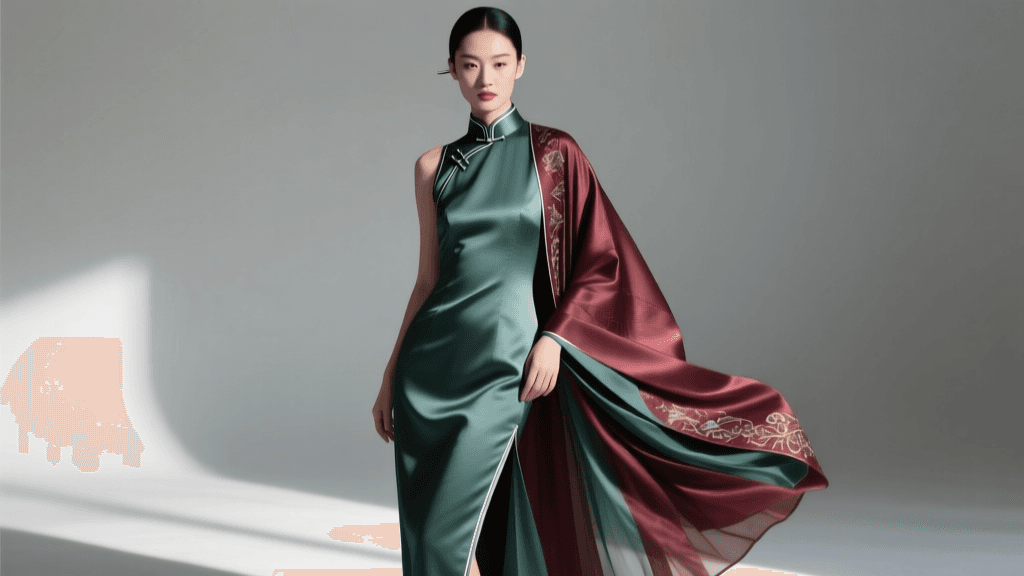
In 2026 fashion editorials, the qipao has shed its restrictive, mid-century connotations to emerge as a symbol of dynamic, avant-garde femininity. Global fashion directors are heavily favoring garments crafted from Xiangyunsha (gambiered Canton gauze). This remarkable silk is dyed using the juice of the Dioscorea cirrhosa* plant and coated with iron-rich river mud, resulting in a fabric that is water-resistant, naturally cooling, and possesses a distinct, papery rustle.
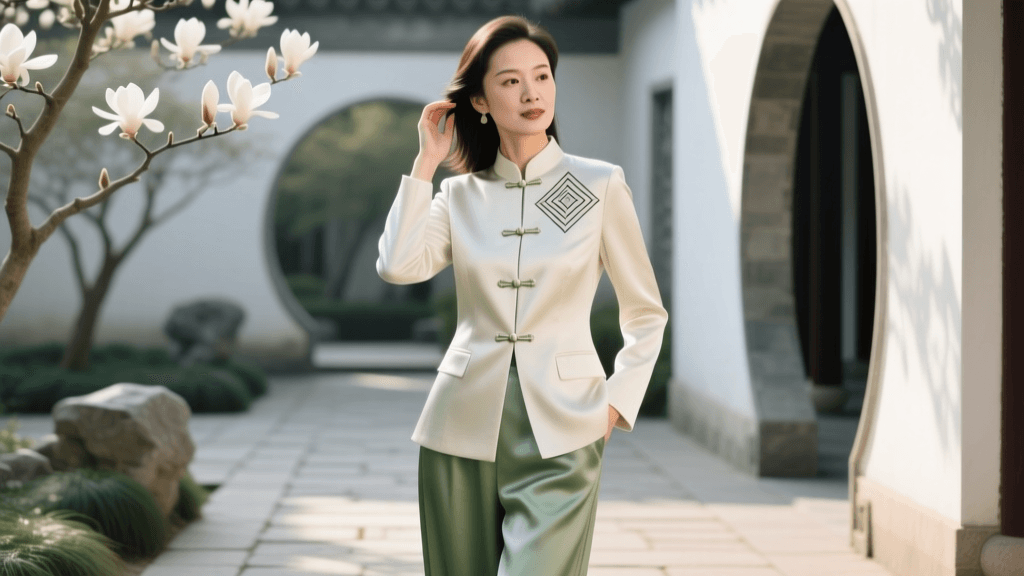
As recognized by UNESCO's Intangible Cultural Heritage listings for Chinese sericulture and silk craftsmanship, the foundation of these garments relies on centuries-old techniques that modern designers are now elevating. In recent 2026 editorial spreads, we see the traditional mandarin collar and intricate pankou (frog fastenings) juxtaposed with radical tailoring. Designers are presenting cropped, sleeveless qipao tops crafted from dark, mud-dyed Xiangyunsha, styled effortlessly over wide-leg, heavy wool trousers. This deconstructed approach allows for unparalleled mobility while retaining the garment's iconic architectural neckline.
The Mamianqun: From Heritage to High-Fashion Streetwear
If the qipao represents structured elegance, the Mamianqun (horse-face skirt) represents the explosive crossover of hanfu into global streetwear and high-fashion editorial spaces. Characterized by its flat front and back panels with heavily pleated sides, the Mamianqun has become the breakout star of 2026 global street style. Following intense cultural reclamation movements earlier in the decade, authentic Ming-dynasty-inspired silhouettes are now standard in high-fashion editorials, celebrated for their geometric brilliance and kinetic movement.
The structural pleating of these skirts mirrors historical techniques preserved in institutions like the Victoria and Albert Museum's Chinese textiles collection, yet 2026 iterations utilize modern metallic threads, sustainable jacquard weaves, and innovative synthetic blends that hold pleats flawlessly in humid climates. Fashion magazines are currently styling these voluminous skirts with unexpected contrasts: think oversized, distressed leather moto jackets, sheer turtlenecks, and heavy-tread combat boots. This styling technique grounds the historical grandeur of the skirt, making it fiercely relevant for the modern, urban consumer.
2026 Fashion Media Appearance Metrics
To understand the scale of this cultural integration, we analyzed the frequency and styling contexts of these garments across the top five global fashion publications over the first half of 2026. The data reveals a clear preference for versatile, historically rooted pieces that can be adapted for both haute couture and street-style photography.
| Garment Type | Primary Editorial Context | Dominant Fabric in 2026 | Top Styling Pairing |
|---|---|---|---|
| Modern Qipao (Cropped) | Avant-Garde / Studio Portraiture | Xiangyunsha (Gambiered Gauze) | Wide-leg Wool Trousers |
| Traditional Qipao (Full Length) | Red Carpet / Gala Coverage | Suzhou Silk Brocade | Structural Metallic Outerwear |
| Mamianqun (Midi Length) | Street Style / Urban Candid | Jacquard Cotton-Blend | Oversized Leather Jackets |
| Mamianqun (Ankle-Grazing) | Haute Couture / Runway Reviews | Heavy Silk Satin with Gold Thread | Tailored Corsetry / Blazer |
Actionable Styling Guide: Replicating Editorial Looks
Translating high-fashion editorial concepts into a wearable, everyday wardrobe requires an understanding of proportion, fabric behavior, and precise tailoring. Here is how you can adopt the 2026 Asian traditional garment trends with authenticity and modern flair.
Sizing and Fit for the Modern Qipao
Unlike the restrictive, skin-tight silhouettes popularized by 1930s calendar illustrations, 2026 editorial qipaos prioritize dynamic movement and comfort. When commissioning a bespoke piece or purchasing off-the-rack, pay close attention to the ease allowance. For a modern, editorial fit, request a 3 cm to 4 cm ease allowance at the bust and waist. This prevents the silk from pulling at the pankou knots when seated or reaching. Furthermore, opt for a hemline that hits just below the mid-calf; this length elongates the leg while allowing the signature side slits to function properly during walking.
Proportion Rules for the Mamianqun
The Mamianqun is inherently voluminous, meaning the rest of your silhouette must be carefully balanced to avoid looking overwhelmed by fabric. If you are wearing a midi-length Mamianqun (hitting mid-calf), pair it with a fitted, ribbed turtleneck or a structured, cropped blazer that ends exactly at the skirt's waistband. This highlights the intricate waist pleating and the flat front panels. For footwear, avoid delicate heels. The 2026 editorial consensus heavily favors chunky loafers, platform oxfords, or sleek combat boots, which provide a necessary visual weight to anchor the sweeping hemline.
Sourcing Authentic Pieces in 2026
The global appetite for these garments has been well-documented by industry analysts, with The Business of Fashion noting the multi-billion dollar scale of the heritage apparel market. However, as demand surges, the market has been flooded with cheap, mass-produced costumes that lack the structural integrity of true traditional garments. To build an authentic wardrobe, you must know where to look.
- For Xiangyunsha Qipaos: Source directly from certified artisan studios in Guangdong province. Authentic gambiered gauze requires specific sunlight and river mud conditions that cannot be replicated in factory settings. Look for sellers who provide certification of the traditional 30-day dyeing and sun-drying process.
- For Mamianqun: Seek out specialized Hanfu reproduction studios based in Hangzhou and Suzhou. High-quality 2026 reproductions utilize traditional wooden looms to create dense, heavy jacquard weaves that hold the knife-pleats permanently. Avoid lightweight polyester blends, which will lose their pleat structure and drape poorly.
- For Pankou (Frog Fastenings): Ensure the knots are hand-rolled and tightly bound. Machine-made knots often loosen and fray after minimal wear. Artisanal qipao makers will offer custom pankou designs, such as floral or geometric motifs, which serve as the jewelry of the garment.
Garment Care for Editorial-Grade Textiles
Investing in heritage garments requires a commitment to specialized care. Xiangyunsha, despite its durability and water-resistant properties, should never be machine washed. The iron-rich mud coating can crack and degrade under the agitation of modern washing machines. Instead, spot clean with a damp cloth and air the garment in a shaded, well-ventilated area. The natural camphor scent of the fabric acts as a built-in moth deterrent.
For heavy silk brocade Mamianqun, dry cleaning is recommended, but only by specialists familiar with structured pleating. When storing these garments, never hang them by the waist for long periods, as the weight of the fabric will stretch the waistband and distort the pleats. Fold them carefully with acid-free tissue paper inserted between the pleats to maintain their sharp geometry, and store them flat in a cedar-lined drawer to protect against humidity and pests. By respecting the material and the history behind these garments, you ensure they remain a staple of your wardrobe and a testament to the enduring power of Asian traditional fashion in the global media landscape.