Buying Authentic Banarasi Silk Sarees Online: 2026 Guide
The Evolution of Online Banarasi Silk Shopping in 2026
The landscape of purchasing traditional South Asian garments has undergone a massive digital transformation. As of 2026, buying a handwoven Banarasi silk saree online is no longer the gamble it was a decade ago. Thanks to stringent digital supply chain tracking, blockchain-backed weaver registries, and direct-to-consumer (D2C) platforms managed by Varanasi cooperatives, global buyers can now access authentic heritage textiles from their homes. However, the proliferation of power-loom replicas marketed as 'handloom' means that buyers must still be highly educated to navigate the digital marketplace safely.
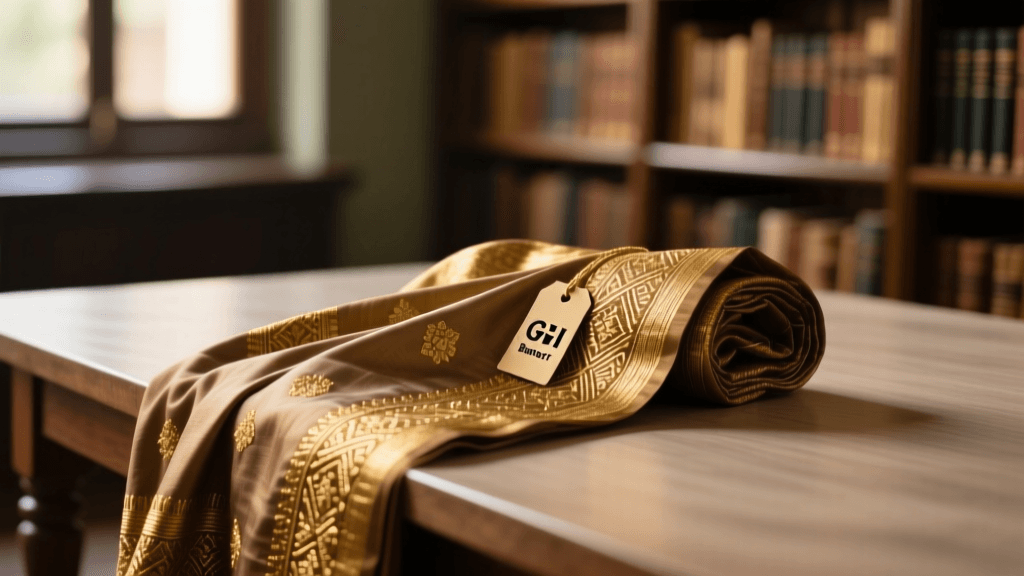
For the uninitiated, a Banarasi saree is not merely a garment; it is a masterpiece of Indian textile history, characterized by its opulent gold or silver zari work, fine silk, and intricate Mughal-inspired motifs. In 2026, the demand for these sarees continues to surge globally, driven by a renewed interest in sustainable, slow fashion and cultural heritage preservation. This comprehensive guide will equip you with the knowledge to identify genuine pieces, understand current market pricing, and select the right online marketplace for your investment.
Decoding the GI Tag and Silk Mark Certifications
The first line of defense against counterfeit textiles is understanding India's intellectual property and quality assurance frameworks. The Banarasi Brocade and Sarees Geographical Indication (GI) tag is a legal certification that guarantees the textile was woven in one of the six designated districts of Uttar Pradesh: Varanasi, Chandauli, Mirzapur, Jaunpur, Bhadohi, and Azamgarh. According to the Ministry of Textiles, any saree produced outside these zones on power looms cannot legally be sold as an authentic Banarasi saree. When shopping online in 2026, always look for the GI certification logo in the product description or ask the seller for their GI registration number.
Equally important is the Silk Mark. Administered by the Silk Mark Organisation of India, this certification ensures that the base fabric is 100% pure natural silk, free from synthetic blends like polyester or art silk. Genuine online retailers will display the Silk Mark hologram on the product tag and provide the unique hologram number in the listing details, which you can verify on their official portal.
Top Trusted Online Marketplaces for 2026
Navigating the sea of e-commerce platforms can be overwhelming. Below is a comparison of the most reliable online marketplaces for sourcing authentic Banarasi silk sarees in 2026, categorized by their business models and buyer protections.
| Marketplace | Price Range (USD) | Authenticity Guarantee | Best For |
|---|---|---|---|
| Jaypore | $150 - $800+ | Strict curation, GI & Silk Mark verified | Premium bridal trousseaus and luxury gifting |
| Tilfi | $120 - $600 | Direct weaver partnerships, detailed weave macros | Contemporary adaptations of classic Banarasi weaves |
| Okhai | $100 - $450 | NGO-backed artisan verification | Ethical shoppers supporting women weaver cooperatives |
| Direct Weaver Co-ops (Instagram/WhatsApp) | $80 - $350 | Varies; requires buyer knowledge and video verification | Budget-conscious buyers seeking unbranded, raw handloom pieces |
While established platforms like Jaypore and Tilfi offer robust return policies and guaranteed authenticity, buying directly from weaver cooperatives via social media has become incredibly popular in 2026. This D2C model ensures that a larger percentage of the profit goes directly to the artisans in Varanasi, though it requires the buyer to be more vigilant regarding verification.
Understanding Banarasi Weaves and Base Materials
Before adding an item to your cart, you must understand the terminology used to describe the base fabrics. The price and drape of the saree depend heavily on the material chosen.
Katan Silk (Pure Silk)
Katan is the most traditional and premium base fabric. It consists of pure silk threads twisted together to create a highly durable, lustrous fabric. Katan Banarasi sarees are heavy, hold their shape beautifully, and are the preferred choice for weddings and major ceremonial events. In 2026, a genuine handwoven Katan silk saree with real zari work will rarely cost less than $250 USD.
Kora Silk (Organza)
Kora silk, often referred to as Banarasi Organza, is a sheer, lightweight fabric woven with twisted silk yarns. It is heavily favored for summer weddings and daytime events due to its breathable nature and ethereal drape. The zari work on Kora silk often features intricate 'meenakari' (enamel-like coloring) techniques.
Banarasi Georgette and Shattir
For those seeking a more fluid, modern drape, Banarasi Georgette is highly popular. Woven with tightly twisted yarns, it offers a matte finish and a lightweight feel, making it ideal for corporate events or cocktail parties where heavy traditional silks might feel cumbersome.
Decoding Traditional Banarasi Motifs
Authenticity is also reflected in the design language. The Craft Council of India frequently highlights the importance of preserving traditional motifs in handloom textiles. When examining product photos online, look for these hallmark designs:
- Kalga and Bel: The paisley (kalga) and creeping vine (bel) motifs are heavily influenced by Mughal art and are the most iconic Banarasi patterns.
- Jhallar: A fringe-like pattern used heavily on the pallu (the decorative end of the saree) and borders, resembling a row of hanging leaves or droplets.
- Butidar: A fabric completely covered in small, intricate floral motifs (butis) woven with gold and silver threads, creating a stunning contrast known as 'Ganga-Jamuna' when the threads are of different colors.
- Shikargah: A highly complex, narrative motif depicting hunting scenes, animals, and forests, usually reserved for premium, museum-quality heirloom pieces.
The Zari Conundrum: Real vs. Tested vs. Plastic
Zari is the metallic thread that gives Banarasi sarees their signature opulence. Understanding the type of zari used is critical for assessing value.
Real Zari (Pure Zari): Made from a silk core wrapped in flattened silver wire and electroplated with pure gold. This is exceedingly rare and expensive, used only in heirloom bridal pieces costing thousands of dollars.
Tested Zari: The industry standard for premium Banarasi sarees in 2026. It uses a copper or cotton core wrapped in silver and gold-plated. It offers excellent luster and durability at a fraction of the cost of pure zari.
Plastic or Imitation Zari: Made from metallic-coated polyester or nylon. It is lightweight, lacks the rich depth of metal, and tarnishes quickly. If a seller claims a $50 saree features 'heavy zari,' it is undoubtedly plastic.
How to Verify Authenticity Before Clicking 'Buy'
When shopping on platforms that allow direct seller communication (like Instagram boutiques or Etsy), take these actionable steps to verify the garment:
- Request the Reverse Side Photo: Handloom Banarasi sarees woven on traditional jacquard pit looms will have a distinct pattern of 'float' threads on the reverse side. Power-loom fakes often have a neat, interlocked back or a synthetic mesh backing to hide the weave mechanics.
- Ask for a Burn Test Video: Reputable sellers will gladly perform a burn test on a loose thread from the blouse piece or fringe. Pure silk smells like burning hair and leaves a crushable ash. Synthetic art silk smells like burning plastic and forms a hard bead.
- Check the Blouse Piece: Authentic Banarasi sarees almost always come with an attached, unwoven silk blouse piece. If the listing shows a pre-stitched blouse or no blouse piece, proceed with caution.
- Verify the Hologram: Ask the seller to photograph the Silk Mark tag with a clear view of the serial number, and cross-reference it on the Silk Mark India website.
2026 Pricing Guide: What Should You Actually Pay?
Pricing for handwoven textiles has adjusted in 2026 due to the rising costs of raw silk yarn and precious metals used in zari. Be highly skeptical of 'clearance sales' offering Katan silk sarees for under $80. Below is a realistic pricing matrix for genuine handwoven Banarasi sarees in the current market:
- Banarasi Georgette (Tested Zari): $90 - $180 USD
- Kora Silk / Organza (Meenakari work): $150 - $300 USD
- Katan Silk (Standard Butidar/Jaal): $220 - $450 USD
- Katan Silk (Heavy Bridal / Real Zari accents): $600 - $2,500+ USD
Caring for Your Online Banarasi Purchase
Once your authentic Banarasi saree arrives, proper care is essential to maintain its structural integrity and luster. Never wash a handwoven Banarasi silk saree at home. Always opt for professional dry cleaning, specifically informing the cleaner about the metallic zari work, as harsh chemicals can strip the gold plating. For storage, avoid plastic covers which trap moisture and cause the zari to oxidize and turn black. Instead, wrap the saree in unbleached muslin or pure cotton cloth, and store it in a cool, dark place. Refold the saree every three to six months to prevent the silk fibers from cracking along the crease lines.
By understanding the nuances of weaves, zari types, and digital verification methods, you can confidently navigate the 2026 online marketplace. Investing in a genuine Banarasi silk saree is not just a fashion choice; it is an act of cultural preservation, supporting the master weavers of Varanasi who continue to keep this ancient art form alive.