Gender-Neutral Hanfu: A Modern Sizing and Styling Guide
The Evolution of Gender-Fluid Hanfu
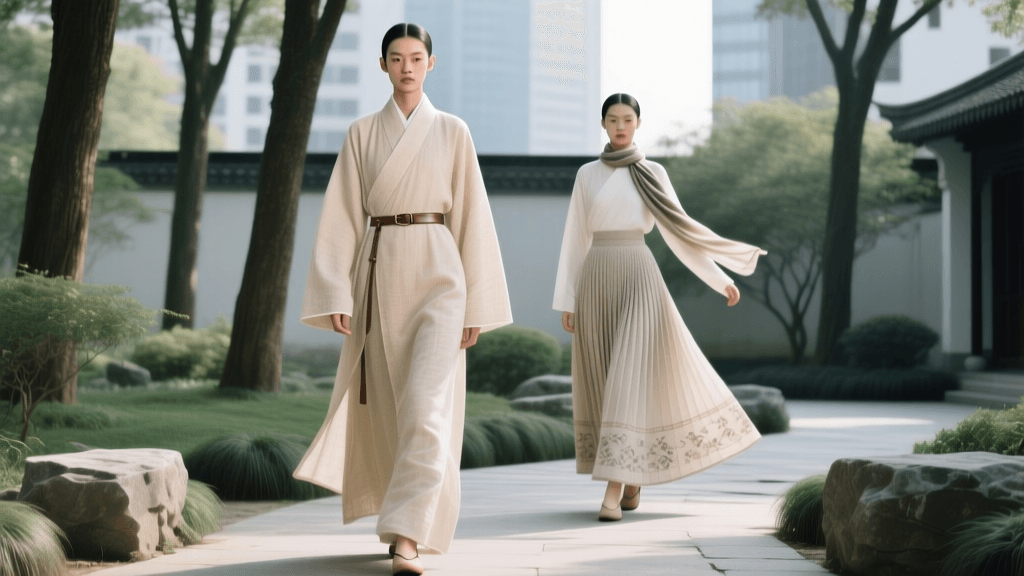
The global resurgence of traditional Chinese clothing, commonly known as the Hanfu movement, has historically been categorized by rigid gender binaries. Early revivals heavily emphasized hyper-feminine silhouettes for women and structured, austere robes for men. However, as the movement matures, a vibrant gender-neutral and gender-fluid subculture has emerged. Modern wearers, including men, non-binary individuals, and gender-nonconforming fashion enthusiasts, are dismantling historical dress codes to create a deeply personal, fluid aesthetic. According to cultural reports from CNN Style, the Hanfu revival is no longer just about historical reenactment; it is a dynamic fashion movement where youth culture redefines traditional norms.
Historically, garments like the Mamianqun (horse-face skirt) were strictly coded as female attire during the Ming and Qing dynasties, while the Yuanlingpao (round-collar robe) was a staple of the male wardrobe. Today, these boundaries are delightfully blurred. Men and non-binary wearers are adopting the dramatic pleats of the Mamianqun, pairing them with structured leather belts and combat boots, while women and gender-fluid individuals are embracing the broad shoulders and commanding drape of the Yuanlingpao. This cross-pollination of styles aligns with the broader 'New Chinese Style' (Xin Zhongshi) movement, which prioritizes personal expression over strict historical dogma, as noted by Sixth Tone in their coverage of the subculture's evolution.
Key Garments for Gender-Neutral Styling
Building a gender-neutral Hanfu wardrobe requires understanding which traditional garments offer the most structural versatility. Here are the foundational pieces that transcend traditional gender lines when styled correctly.
1. The Yuanlingpao (Round-Collar Robe)
Originating in the Tang Dynasty and evolving through the Ming Dynasty, the Yuanlingpao is a full-body robe with a circular neckline. For gender-neutral styling, the Ming Dynasty variation is preferred due to its structured Bai (side pleats) and wider sleeves. When worn by individuals with broader shoulders or those seeking a more masculine or androgynous silhouette, the Yuanlingpao provides a commanding, architectural shape. Opt for heavy linen or wool blends in muted tones like slate grey, navy, or deep plum to avoid the overly ceremonial look of bright reds and golds.
2. The Mamianqun (Horse-Face Skirt)
Once exclusively a women's garment, the Mamianqun has become a massive trend among male and non-binary Hanfu enthusiasts. Characterized by flat front and back panels (guangmian) and deeply pleated sides, this skirt offers incredible mobility. For a gender-fluid look, men are pairing traditional Mamianqun with modern tailored blazers, turtlenecks, or traditional cross-collar shirts (Jiaoling Youren). As highlighted by the China Daily, the modern Mamianqun revival has seen designers create darker, more geometric, and brocade patterns that appeal universally across the gender spectrum.
3. The Beizi (Long Outer Jacket)
The Beizi is an open-front outer jacket that dates back to the Song Dynasty. It is inherently gender-neutral due to its straight, un-tailored cut and side slits that allow for ease of movement. It functions similarly to a modern duster coat or longline cardigan. Layering a Beizi over a simple modern t-shirt and wide-leg trousers creates an effortless, avant-garde silhouette that honors traditional aesthetics without requiring a full historical ensemble.
Sizing and Measurement Guide
One of the greatest challenges in purchasing Hanfu online is navigating traditional Chinese sizing, which often relies on strict gendered charts. Gender-neutral styling requires a focus on drape, shoulder width, and waist placement rather than standard men's or women's size tags. Below is a comprehensive measurement guide tailored for gender-fluid and male wearers.
| Measurement Area | Traditional Standard | Modern Gender-Neutral Adjustment | Pro-Tip for Ordering |
|---|---|---|---|
| Chest / Bust | Snug fit for women, loose for men | Add 10-15 cm to actual chest measurement for cross-collar tops to allow for the overlapping fabric (Youren). | Always size up if you have a broad chest or back to prevent the cross-collar from pulling open. |
| Waist | Women's skirts sit at the narrowest point; men's pants sit lower. | For Mamianqun, measure exactly where you intend to tie the skirt (usually the natural waist or high hip). | Mamianqun ties must be wrapped tightly. Add 30 cm to your waist measurement to ensure the ties are long enough to secure. |
| Shoulder Width | Seams sit exactly on the shoulder bone. | Traditional Hanfu features a dropped shoulder seam (Baojian). Look for shoulder measurements 5-10 cm wider than your actual frame. | Dropped shoulders are essential for the traditional sloping, elegant silhouette, regardless of gender. |
| Sleeve Length | Ends at the wrist or mid-hand. | For wide sleeves (Guangxiu), the total wingspan should exceed your height. Measure from the center back of the neck to the wrist, then double it. | If you want the fabric to pool elegantly at the wrists, add an extra 10 cm to the arm length. |
| Garment Length | Skirts must touch the floor; robes must cover the ankles. | Measure from the base of the neck to the ankle bone. Subtract 5 cm if you plan to wear chunky boots. | Wear your intended footwear while taking length measurements to avoid tripping hazards with heavy hems. |
Practical Styling Tips for Everyday Wear
Integrating traditional garments into a modern, gender-neutral wardrobe requires a balance of historical respect and contemporary streetwear sensibilities. Here are actionable styling strategies to elevate your Hanfu:
- Footwear Contrast: Ditch the traditional cloud-topped shoes (Yunxie) for modern, gender-neutral footwear. Chunky combat boots, such as Dr. Martens or sleek Chelsea boots, ground the flowing fabrics of a Mamianqun or Yuanlingpao, adding an industrial, modern edge to the historical drape.
- Layering with Modern Basics: Traditional cross-collar tops can be difficult to secure in cold weather. Layer a fitted, black or charcoal turtleneck underneath a Jiaoling Youren top or Beizi. This provides warmth, creates a sleek vertical line, and bridges the gap between ancient and modern fashion.
- Hardware and Belts: Instead of traditional silk sashes or embroidered cloth belts, utilize high-quality leather belts with minimalist brass or matte black hardware. A leather belt cinched over a Yuanlingpao instantly masculinizes or neutralizes the silhouette, providing structure and utility.
- Hair and Accessories: Avoid highly ornate, dangling hairpins (Buyao) if you are aiming for a gender-neutral or masculine-leaning look. Opt for a simple leather Shuguan (hair crown) or a minimalist wooden hair stick. For shorter hair, a simple half-up tie with a leather cord provides a martial arts (Wuxia) inspired aesthetic that works beautifully for all genders.
Where to Buy and Expected Costs
Sourcing authentic, high-quality Hanfu that caters to a gender-neutral aesthetic requires knowing where to look and what keywords to use. While Western retailers exist, the most extensive selections are found on Asian e-commerce platforms like Taobao and AliExpress.
Search Keywords to Use:
- 中性汉服 (Zhongxing Hanfu - Gender-Neutral Hanfu)
- 男款汉服 (Nankuan Hanfu - Men's Hanfu - excellent for structured robes)
- 马面裙 (Mamianqun - Horse-face skirt)
- 晋制 (Jinzhi - Jin Dynasty style, known for its multi-layered, fluid, and highly gender-neutral aesthetic)
Cost Breakdown:
- Budget Tier ($30 - $60 USD): Best for everyday practice pieces and cotton/polyester blends. Expect simpler embroidery and machine-made pleats. Brands like Shisanyu offer accessible entry points, though their designs often lean feminine. Look for their basic Jin-style sets instead.
- Mid-Range Tier ($60 - $150 USD): The sweet spot for quality. You will find heavy jacquards, real silk-blend linings, and precise pleating in Mamianqun. Brands like Ming Huatang offer incredible historical accuracy and structured cuts that drape beautifully on any body type.
- Premium Tier ($150 - $400+ USD): Reserved for pure silk, hand-woven brocades, and custom tailoring. At this level, you can request custom measurements, ensuring the shoulder drop and sleeve length perfectly match your gender-neutral styling goals.
Conclusion
The beauty of the Hanfu movement lies in its ongoing evolution. By stepping outside the rigid gender binaries of historical reenactment, modern wearers are proving that traditional Chinese clothing is not a static museum exhibit, but a living, breathing canvas for self-expression. Whether you are a man embracing the sweeping pleats of a Ming Dynasty skirt, or a non-binary individual commanding the room in a structured Tang robe, gender-neutral Hanfu styling offers endless possibilities for those willing to measure carefully, layer creatively, and wear their heritage with modern confidence.