Modern Hanbok Styling 2026: Mixing Tradition With Streetwear
The Evolution of Gaeryang Hanbok in 2026
The boundary between traditional Korean dress and global streetwear has completely dissolved in 2026. What began as a niche movement to modernize the hanbok for younger generations has matured into a sophisticated, everyday sartorial language known as gaeryang hanbok (modernized hanbok). Today, fashion-forward individuals are no longer reserving these garments for Lunar New Year or Chuseok; instead, they are integrating structural elements of historical Korean dress into their daily office wear, weekend streetwear, and evening wardrobes.
According to cultural historians and exhibitions detailing the Korean Wave, the global appetite for Korean aesthetics has pushed traditional silhouettes into the mainstream luxury and streetwear markets. In 2026, the focus is on sustainable, bio-based fabrics, deconstructed tailoring, and a seamless blend of heritage proportions with contemporary utilitarian fashion. This guide will walk you through the precise techniques for mixing traditional Asian pieces with your modern wardrobe this year.
Core Principles of Mixing Silhouettes
The fundamental rule of styling traditional Asian garments with modern clothing is mastering the balance of volume and proportion. The historical construction of the hanbok relies heavily on voluminous skirts and wide-legged trousers contrasted with fitted, cropped upper garments. To translate this into a 2026 streetwear context, you must honor the "rule of thirds" in your outfit's visual weight.
- The Cropped Top Principle: If you are wearing a modern jeogori (traditional jacket) that hits above the natural waist, your bottoms must be high-waisted and possess significant volume, such as wide-leg parachute pants or pleated trousers.
- The Voluminous Bottom Principle: If you are wearing a traditional chima (wrap skirt) or baji (trousers), your top should be streamlined, tucked in, or cropped to prevent the silhouette from overwhelming your frame.
- Textural Contrast: Pair the matte, crisp finish of modern streetwear cottons and nylons with the subtle sheen of traditional silk or modern cupro blends.
Pairing the Jeogori with Modern Bottoms
The jeogori is arguably the most versatile piece for modern integration. In 2026, designers like Leesle and Danha have reimagined the jeogori with dropped shoulders, hidden magnetic closures (replacing the traditional goreum ties), and structured, water-resistant bio-silks.
The Creative Office Look
For a sophisticated office environment, opt for a muted sage green or slate grey jeogori crafted from a matte Tencel blend. Pair this with high-waisted, wide-leg wool trousers featuring a 32-inch inseam. The cropped hem of the jacket (typically a 4.5-inch front drop) naturally highlights the high waistband of the trousers, elongating the legs. Finish the look with minimalist leather loafers and a structured tote.
Weekend Streetwear Integration
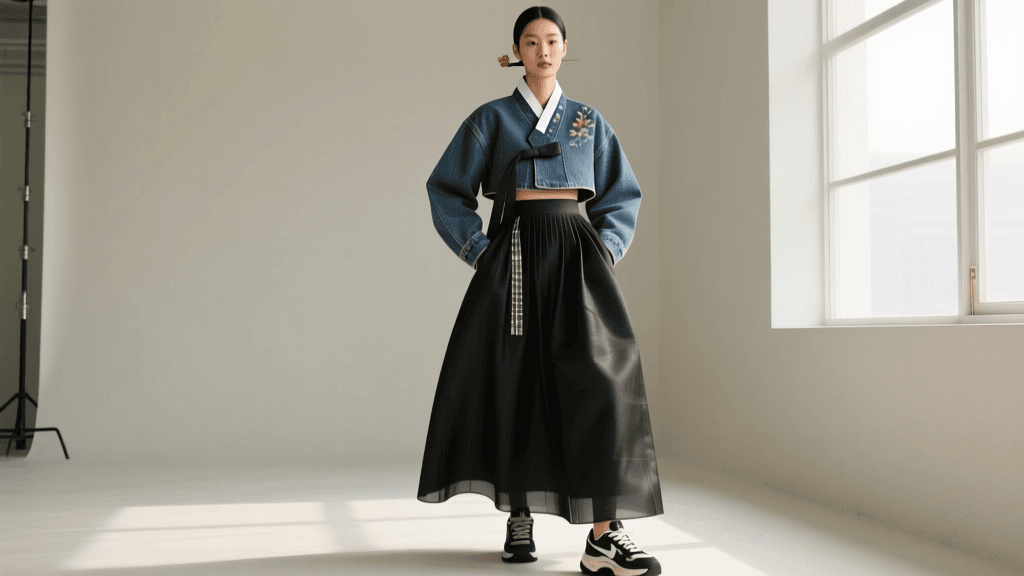
For a more casual, streetwear-oriented aesthetic, contrast the delicacy of the jeogori with utilitarian pieces. A cropped, raw-hem denim jeogori layered over a vintage graphic tee and paired with 2026's trending multi-pocket cargo pants creates a striking juxtaposition. The stiffness of the denim holds the traditional curved sleeve shape (baerae) while the cargo pants echo the historical volume of the baji.
Styling the Chima for Contemporary Settings
The chima, traditionally a full, bell-shaped wrap skirt, has been adapted for modern mobility. The 2026 iterations often feature adjustable side ties, hidden pockets, and lighter, machine-washable recycled polyester blends that mimic the drape of traditional silk without the heavy maintenance.
"The secret to wearing a chima in a modern urban setting is to treat it like a high-waisted midi skirt. Anchor it with a fitted, contemporary top to ground the historical volume in present-day reality."
Transitional Autumn Layering
As the weather cools, a pleated midi chima in a deep ox-blood or navy hue pairs beautifully with a fitted, ribbed merino wool turtleneck. Tuck the turtleneck in completely to maintain the high waistline. Layer an oversized, structured blazer over the shoulders. The sharp, angular lines of the modern blazer contrast brilliantly with the soft, sweeping curves of the chima.
Edgy Evening Wear
For evening events, bypass the traditional silk blouse and instead pair a sheer, organza chima with a structured, cropped leather moto jacket. The juxtaposition of the romantic, flowing skirt with the aggressive, hardware-detailed leather jacket epitomizes the 2026 neo-traditionalist aesthetic. Complete the outfit with chunky platform boots to add a grounded, rebellious edge to the delicate skirt.
Comparison Chart: Traditional vs. 2026 Modern Elements
Understanding the structural differences between historical garments and their modern counterparts is crucial for successful styling. Below is a breakdown of how key elements have evolved for the contemporary wardrobe.
| Garment Element | Traditional Hanbok | 2026 Gaeryang Hanbok |
|---|---|---|
| Fasteners | Long fabric ties (goreum) requiring specific knotting techniques. | Hidden magnetic snaps, hook-and-eye closures, or adjustable side buckles. |
| Jeogori Length | Varies by era, but often covers the waist or hips in historical contexts. | Sharply cropped, typically ending 2 to 4 inches above the natural waistline. |
| Chima Waistband | Wide, stiff white cotton band tied tightly under the bust. | Narrower, elasticated, or adjustable fabric bands sitting at the natural waist. |
| Fabrics | Heavy silks, ramie, and hemp requiring specialized dry cleaning. | Bio-silks, Tencel, recycled cupro, and matte technical nylons. |
| Sleeve Shape | Pronounced curved underarm (baerae) for maximum movement. | Slightly relaxed drop-shoulder with a subtle curve for modern tailoring. |
Footwear and Accessories: Bridging the Gap
The wrong footwear can instantly relegate a modernized hanbok to a costume. In 2026, the goal is to firmly plant the outfit in the contemporary urban landscape through deliberate accessory choices.
Sneakers and Boots
Leave the traditional kkotsin (embroidered silk shoes) for ceremonial events. For streetwear integration, chunky, retro-inspired running sneakers (such as the latest 2026 iterations of the New Balance 990 series or Salomon XT-6) provide the necessary visual weight to balance the voluminous skirts and pants. For a sleeker profile, pointed-toe Chelsea boots or thick-soled combat boots work exceptionally well with the baji trousers.
Modernizing the Norigae
The norigae is a traditional decorative tassel worn on the goreum or waistband. To adapt this for modern streetwear, detach the tassel from the jacket and clip it onto the strap of a contemporary crossbody bag, attach it to a belt loop on your denim, or use it as a zipper pull on a modern bomber jacket. This subtle nod to heritage adds a bespoke, personalized touch to mass-produced modern accessories.
Care and Maintenance for Mixed-Wardrobe Hanbok
One of the primary reasons traditional garments are kept in the back of the closet is the fear of ruining delicate fabrics. Fortunately, the 2026 market has prioritized low-maintenance, sustainable textiles.
- Machine-Washable Blends: Many modern chima and baji are now constructed from high-density recycled polyester or Tencel blends that can be machine washed on a gentle, cold cycle. Always use a mesh laundry bag to protect the structural seams.
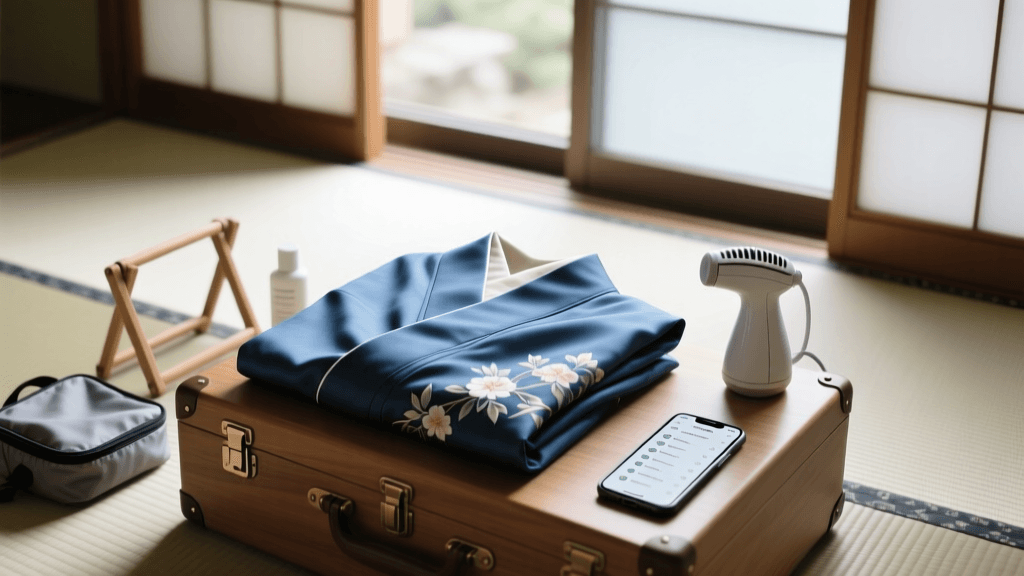
- Steaming over Ironing: The beauty of the hanbok lies in its natural drape. Avoid flat ironing, which can crush the fibers and create unnatural creases. Invest in a high-quality handheld garment steamer to gently release wrinkles and maintain the fabric's volume.
- Storage: Do not hang heavy chima skirts on wire hangers, as this will distort the waistband. Fold them loosely along their natural pleat lines and store them in breathable cotton garment bags to protect against dust and moisture.
Conclusion
Mixing traditional Asian pieces with modern wardrobes in 2026 is not about creating a costume; it is about engaging in a cross-cultural dialogue through fashion. By understanding the architectural silhouettes of the gaeryang hanbok and deliberately contrasting them with contemporary streetwear staples, you can create a deeply personal, globally relevant aesthetic. Whether you are pairing a cropped jeogori with utilitarian cargo pants or grounding a sweeping chima with a leather jacket and chunky sneakers, the key is to wear the heritage with modern confidence.