Ceremonial Furisode vs Everyday Yukata: 2026 Kimono Guide
The Dichotomy of Japanese Traditional Garments in 2026
Japanese traditional garments represent a profound intersection of art, history, and daily life. As we navigate the fashion landscape of 2026, the contrast between high-ceremony attire and everyday casual wear has never been more distinct, yet both remain deeply relevant in modern Japanese culture. While Western fashion often blurs the lines between formal and casual, traditional Japanese dress maintains strict, albeit evolving, rules regarding fabric, construction, and occasion. For enthusiasts, collectors, and travelers looking to participate in Japanese cultural events this year, understanding the fundamental differences between the ceremonial Furisode and the everyday Yukata is essential. This comprehensive guide explores the construction, styling, and modern relevance of these two iconic garments, helping you make informed decisions for your 2026 wardrobe.
The Ceremonial Furisode: Unmarried Women's Formal Wear
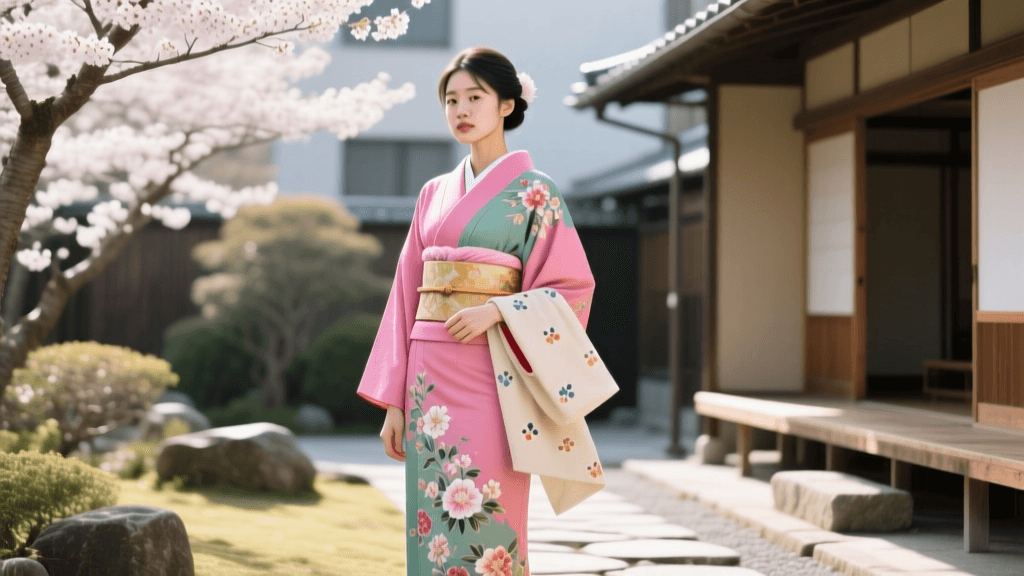
The Furisode is the most formal kimono worn by unmarried women. Translating literally to 'swinging sleeves,' this garment is instantly recognizable by its dramatically long, flowing sleeves, which historically served as a visual signal of youth and marital availability. According to The Metropolitan Museum of Art, the evolution of the kimono's sleeve length has been a primary indicator of social status and age throughout Japanese history.
Sleeve Classifications and Silk Craftsmanship
In 2026, the Furisode is categorized into three distinct types based on sleeve length:
- Oburisode (Large Furisode): Sleeves measure approximately 114 cm (45 inches). This is the most formal tier, typically reserved for bridesmaids or immediate family members at weddings.
- Chuburisode (Medium Furisode): Sleeves measure around 100 cm (39 inches). This is the most common variety seen at Coming of Age Day (Seijin no Hi) ceremonies.
- Koburisode (Small Furisode): Sleeves measure about 85 cm (33 inches). Often worn for formal tea ceremonies or graduation ceremonies (paired with a hakama).
The fabric of a Furisode is exclusively high-grade silk, often utilizing luxurious weaves like Rinzu (silk damask) or Chirimen (silk crepe). The surface is typically adorned with Yuzen dyeing—a meticulous, multi-step resist-dyeing technique that allows for painterly, sweeping motifs of cranes, cherry blossoms, and flowing water. In 2026, sustainable and upcycled vintage silk Furisode have seen a massive surge in popularity, with modern wearers mixing antique garments with contemporary, eco-friendly obi sashes.
The Everyday Yukata: Summer Comfort and Casual Elegance
On the opposite end of the sartorial spectrum lies the Yukata. Originally worn as a bathing robe by aristocrats during the Heian period, the Yukata has evolved into the quintessential everyday summer garment. It is the most accessible and widely worn form of traditional Japanese dress today.
Fabric Innovations and Casual Silhouettes
Unlike the heavily layered and lined Furisode, the Yukata is unlined and traditionally made from lightweight cotton (momen). However, the 2026 summer festival season has introduced a wave of textile innovation. While traditional indigo-dyed cotton remains a beloved classic, modern manufacturers are now blending cotton with cooling synthetic yarns and breathable linen to combat increasingly hot Japanese summers. These tech-enhanced Yukata offer the drape and aesthetic of traditional cotton while providing moisture-wicking properties.
The motifs on a Yukata are generally simpler and more repetitive than the sweeping landscapes of a Furisode. You will frequently see geometric patterns, stylized morning glories, fireworks, and abstract modern prints. Because it is considered casual wear, the Yukata is worn directly over basic undergarments, omitting the formal nagajuban (under-kimono) required for silk garments.
Ceremonial vs. Everyday: A 2026 Comparison Chart
To easily distinguish between these two garments, refer to the comparison table below, updated with current 2026 market averages and styling norms.
| Feature | Furisode (Ceremonial) | Yukata (Everyday/Casual) |
|---|---|---|
| Primary Fabric | Heavy Silk (Rinzu, Chirimen) | Cotton, Linen, Cooling Tech-Blends |
| Sleeve Length | 85 cm to 114 cm | 49 cm to 55 cm |
| Lining | Fully lined (Awase) or summer unlined silk (Hitoe) | Strictly unlined |
| Undergarments | Hadajuban, Nagajuban, Susoyoke, Padding | Simple slip (Juban) and underwear |
| Footwear | Zori (formal sandals) with Tabi socks | Geta (wooden clogs) barefoot or with隐形socks |
| Primary Occasions | Weddings, Coming of Age Day, Formal Tea | Summer Matsuri, Fireworks, Casual Lounging |
| Avg. 2026 Cost | ¥50,000 - ¥150,000+ (Purchase) / ¥40,000 (Rental) | ¥5,000 - ¥15,000 (Purchase) |
The Role of the Obi and Accessories
The garment itself is only half of the equation; the obi (sash) and accessories dictate the final formality. The Japan National Tourism Organization (JNTO) frequently highlights the obi as the defining element of a kimono outfit's visual impact and structural integrity.
Styling the Furisode
A Furisode requires a Fukuro Obi—a long, wide, and heavily brocaded silk sash. In 2026, the most popular tying style for young women is the Fukura Suzume (puffed sparrow) or the elaborate Tateya Musubi (standing arrow knot), which creates a massive, decorative bow at the back. Because the obi is so wide and stiff, it requires a rigid obi-ita (board) to keep the front smooth, and an obi-jime (decorative cord) to secure the knot. The look is finished with pristine white tabi (split-toe socks) and formal zori sandals.
Styling the Yukata
The Yukata is paired with a Hanhaba Obi (half-width obi), which is softer, easier to tie, and often features playful, reversible patterns. Modern 2026 street style has embraced the Bunko Musubi (simple bow) or even utilizing decorative obi-jime cords and vintage brooches to add a personalized, eclectic touch. Footwear consists of geta (wooden clogs), which elevate the wearer slightly above the summer streets and produce a satisfying, rhythmic clicking sound.
Sourcing Traditional Garments in 2026
Whether you are looking to rent a Furisode for a formal event or purchase a Yukata for summer travel, the 2026 market offers diverse avenues. For Furisode, rental shops in hubs like Kyoto, Tokyo, and Kanazawa provide full-service dressing packages. These packages are highly recommended for foreigners and beginners, as properly dressing a Furisode requires professional assistance and takes about 45 minutes.
For everyday Yukata, department stores like Isetan and Takashimaya release their 2026 summer collections in May, featuring collaborations with contemporary graphic designers and anime franchises. Alternatively, vintage markets such as the monthly Oedo Antique Market in Tokyo are treasure troves for high-quality, pre-loved cotton Yukata and silk accessories at a fraction of the retail cost.
Garment Care and Maintenance
The care requirements for these two garments reflect their differing constructions and materials. The Agency for Cultural Affairs, Government of Japan, emphasizes the importance of proper preservation techniques to maintain the integrity of traditional textiles.
Caring for Silk Furisode
Silk Furisode should never be washed with water. In 2026, eco-friendly, specialized dry cleaning services are the standard. If the garment becomes damp, it must be air-dried in the shade and gently pressed with a low-heat iron over a protective cloth. Long-term storage requires wrapping the silk in acid-free tatou-shi paper and placing it in a paulownia wood drawer (tansu), which naturally regulates humidity and repels insects.
Caring for Cotton Yukata
One of the greatest advantages of the Yukata is its ease of maintenance. Most modern cotton and tech-blend Yukata can be hand-washed or machine-washed on a delicate cycle using a mesh laundry net and a neutral pH detergent. After washing, the garment should be stretched and hung to dry in the shade to prevent the vibrant indigo and summer dyes from fading in direct sunlight. A quick pass with a steam iron along the seams will restore its crisp, structured appearance.
Conclusion
Understanding the distinction between the ceremonial Furisode and the everyday Yukata allows for a deeper appreciation of Japanese textile arts and cultural etiquette. While the Furisode remains a breathtaking symbol of youth, formality, and masterful silk craftsmanship, the Yukata offers a breathable, accessible entry point into the joy of traditional dress. Whether you are attending a formal winter ceremony or strolling through a vibrant summer matsuri in 2026, choosing the right garment ensures you honor the tradition while expressing your personal style.