Furisode vs Tomesode: Formal Kimono Dress Codes 2026
Introduction to Formal Japanese Kimono Types
Navigating the intricate world of traditional Japanese garments requires an understanding of deeply rooted cultural codes. Among the most prestigious and visually striking garments in the Japanese wardrobe are the furisode and the tomesode. As we move through 2026, there has been a remarkable resurgence in the appreciation for these formal garments, driven by a global interest in sustainable, artisanal fashion and a renewed domestic pride in heritage textiles. According to the Metropolitan Museum of Art's historical overview of the kimono, these garments are not merely clothing; they are canvases that communicate the wearer's age, marital status, and the formality of the occasion. This comprehensive guide will break down the distinct characteristics, styling rules, and 2026 market realities of the furisode and tomesode.
What is a Furisode? The Pinnacle of Youthful Elegance
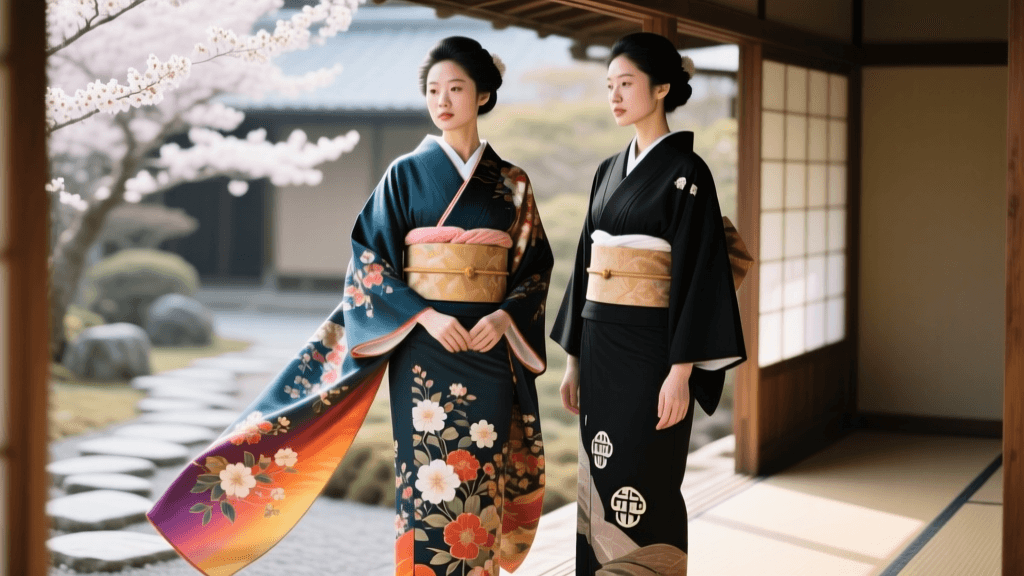
The furisode (literally translating to 'swinging sleeves') is the most formal kimono worn by unmarried women. Characterized by its dramatically long, flowing sleeves and vibrant, all-over patterns, the furisode is a staple at coming-of-age ceremonies (Seijin no Hi), university graduations, and formal wedding receptions where the wearer is a guest. In 2026, contemporary furisode designs have begun to incorporate neo-classical motifs, blending traditional auspicious symbols like cranes and peonies with modern, asymmetrical color-blocking that appeals to younger demographics.
Sleeve Length Classifications
The formality and specific use-case of a furisode are dictated by its sleeve length. There are three primary classifications:
- Oburisode (Large Furisode): Featuring sleeves that measure approximately 114 centimeters (45 inches) in length. This is the most formal tier, typically reserved for brides or highly formal state events.
- Chuburisode (Medium Furisode): With sleeves measuring around 100 centimeters (39 inches). This is the most common type seen at Coming of Age Day ceremonies and formal parties.
- Koburisode (Small Furisode): Featuring sleeves of about 85 centimeters (33 inches). While still formal, it is slightly more subdued and practical for events where excessive fabric might be cumbersome.
What is a Tomesode? The Epitome of Married Formality
While the furisode is defined by its long sleeves, the tomesode (meaning 'fastened sleeve') is defined by its shortened sleeves and specific placement of patterns. Historically, when a woman married, the long sleeves of her furisode were shortened to signify her new marital status. Today, the tomesode is the highest level of formal wear for married women. As noted by the Victoria and Albert Museum's guide to kimono aesthetics, the tomesode relies on the strategic placement of family crests (kamon) and hemline patterns to convey its prestige.
Kurotomesode vs. Irotomesode
The tomesode category is split into two distinct sub-types, each with strict dress code rules:
- Kurotomesode (Black Tomesode): A black silk kimono featuring a continuous pattern (eba-moyo) that flows across the seams exclusively below the obi (sash). It always bears five family crests (itsutsu-mon) and is strictly reserved for the closest female relatives of the bride and groom at a wedding, such as the mothers or married sisters.
- Irotomesode (Colored Tomesode): Featuring a base color other than black (often soft pastels or deep jewel tones), with patterns similarly restricted to the lower hem. It can bear one, three, or five crests. An irotomesode with five crests is nearly as formal as the kurotomesode and can be worn by married women to imperial court events or highly formal receptions. With one or three crests, it is appropriate for slightly less formal gatherings like tea ceremonies or graduation parties.
Furisode vs. Tomesode: 2026 Comparison Chart
To easily distinguish between these two monumental garment types, refer to the structured comparison below:
| Feature | Furisode | Tomesode |
|---|---|---|
| Target Wearer | Unmarried women | Married women |
| Sleeve Length | 85cm to 114cm (Long, swinging) | Approx. 50cm (Short, fastened) |
| Pattern Placement | All-over, vibrant, continuous | Lower hem only (below the obi) |
| Family Crests (Kamon) | Typically 3 crests | 1, 3, or 5 crests (Kurotomesode always 5) |
| Primary Occasions | Coming of Age Day, graduations | Weddings (as close family/guest) |
2026 Rental and Purchase Pricing Guide
The economics of acquiring formal silk garments have shifted in 2026. Due to the rising costs of traditional sericulture and the specialized labor required for yuzen dyeing, purchasing a brand-new, bespoke furisode or tomesode is a significant investment. A newly commissioned, hand-painted kurotomesode from a Kyoto atelier can easily exceed ¥800,000 (approximately $5,400 USD in 2026).
Consequently, the rental market remains the most practical route for most women. In major hubs like Tokyo, Kyoto, and Osaka, standard furisode rental packages for 2026 range from ¥25,000 to ¥45,000, which typically includes the kimono, a fukuro obi, undergarments (nagajuban), zori sandals, and professional dressing services. Premium designer collaborations or vintage Meiji-era reproductions can push rental costs up to ¥70,000. For those looking to purchase, the vintage and upcycled market has boomed; a high-quality, well-preserved vintage irotomesode can be found in specialized Tokyo consignment shops for ¥50,000 to ¥150,000, offering a sustainable alternative to fast fashion.
Modern Styling: Obi, Zori, and Hair Accessories
Styling these garments in 2026 balances strict tradition with subtle personal expression. Both furisode and tomesode demand the use of a fukuro obi (a fully patterned, formal double-width sash) or, for the highest level of formality, a maru obi. The obi is tied in elaborate knots; the furisode often features the fukura-suzume (puffed sparrow) knot to accentuate the youthful silhouette, while the tomesode utilizes the more subdued and elegant taiko-musubi (drum knot).
Footwear must consist of formal zori sandals with a high instep, paired with white or gold-threaded tabi socks. In 2026, hair styling trends for furisode wearers have shifted toward minimalist, structural updos adorned with a single, high-quality kanzashi (hair ornament), moving away from the overly cluttered floral arrangements of the early 2020s. For tomesode, hair is kept in a sleek, low bun to maintain an aura of mature elegance.
Proper Care and Storage for Silk Garments
Maintaining the pristine condition of formal silk requires meticulous care. According to Britannica's cultural entry on Japanese dress, the preservation of these textiles is a respected discipline in itself. After wearing a furisode or tomesode, the garment must be aired out on a specialized kimono rack (emono-kake) in a shaded, well-ventilated room for 24 hours to allow moisture to evaporate.
When storing the garment, it must be folded using the traditional tataki method along its seam lines to prevent permanent creasing. It is then wrapped in tatou-shi (acid-free, breathable paper) and placed in a tansu (traditional wooden chest) or a modern climate-controlled wardrobe. In 2026, many owners utilize smart-hygrometers inside their storage drawers to ensure humidity remains strictly between 50% and 55%, preventing both mold growth and silk fiber desiccation. Dry cleaning should only be performed by specialized kimono washers (kimono-arai) who use traditional water-washing techniques or specialized solvents that do not strip the silk of its natural luster or damage the metallic threads.
Conclusion
Understanding the distinction between the furisode and the tomesode is essential for anyone participating in formal Japanese cultural events. While the furisode celebrates the vibrant, unfolding potential of youth with its sweeping sleeves and bold patterns, the tomesode grounds the wearer in the dignified, refined elegance of maturity. By respecting these historical dress codes while embracing the sustainable and stylistic innovations of 2026, wearers can honor the profound legacy of Japanese textile arts.