Ceremonial vs Everyday Kimono: 2026 Styling Guide
The Great Kimono Divide: Ceremonial vs. Everyday Wear in 2026
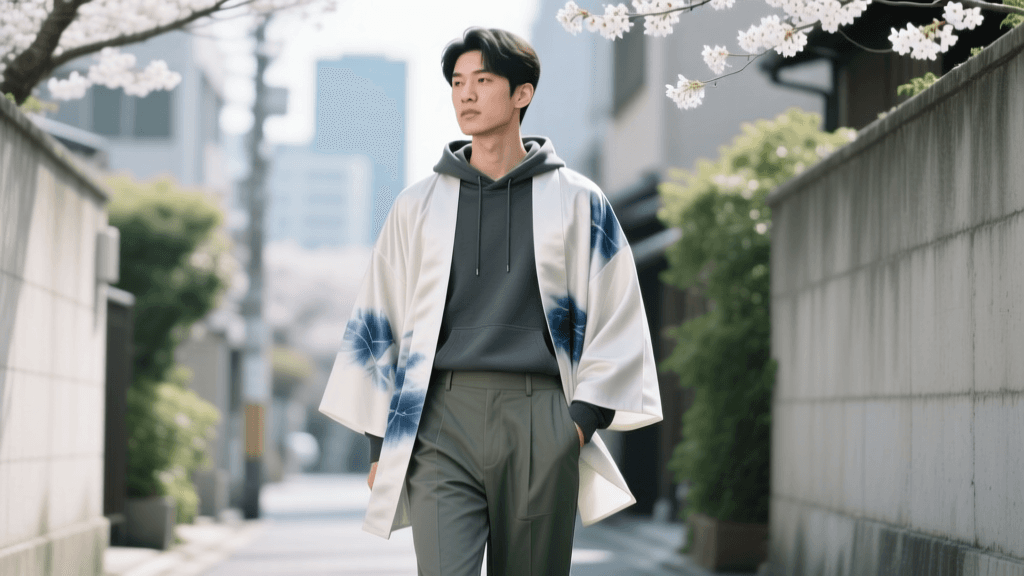
The Japanese kimono is one of the most recognizable and meticulously structured garments in global fashion history. However, to the untrained eye, the vast array of silk, cotton, and modern synthetic blends can appear as a monolith. In reality, the kimono ecosystem is governed by a strict, deeply ingrained hierarchy that dictates exactly what should be worn, when, and where. As we navigate the fashion landscape of 2026, the distinction between ceremonial (hare) and everyday (ke) garments has never been more relevant. While ceremonial kimono remain steadfast in their traditional rules, everyday kimono have experienced a massive renaissance, embracing modern textiles, sustainable practices, and contemporary styling.
Understanding the difference between these two worlds is essential for anyone looking to wear, collect, or appreciate Japanese traditional garments. Whether you are attending a formal tea ceremony, a wedding, or simply enjoying a weekend stroll through Kyoto’s Higashiyama district, mastering the nuances of kimono classification ensures you show the proper respect to the culture and the occasion.
Understanding TPO: Time, Place, and Occasion
In Japanese dress culture, the golden rule is TPO: Time, Place, and Occasion. This principle is the invisible thread that connects every element of the kimono ensemble, from the pattern on the silk to the color of the tabi (split-toe socks). In 2026, while global fashion continues to blur the lines between formal and casual wear, the Japanese kimono community maintains TPO as a sign of respect and cultural preservation.
"The beauty of the kimono lies not in its rigidity, but in its ability to reflect the wearer's respect for the occasion through subtle shifts in textile, pattern, and form."
Violating TPO is not merely a fashion faux pas; in highly formal settings, wearing an everyday garment to a ceremonial event can be seen as a sign of disrespect, while wearing a highly formal garment to a casual gathering can make the wearer appear ostentatious or out of touch. Let us break down the specific garments that occupy the highest and lowest tiers of this spectrum.
Ceremonial Garments: The Pinnacle of Formality
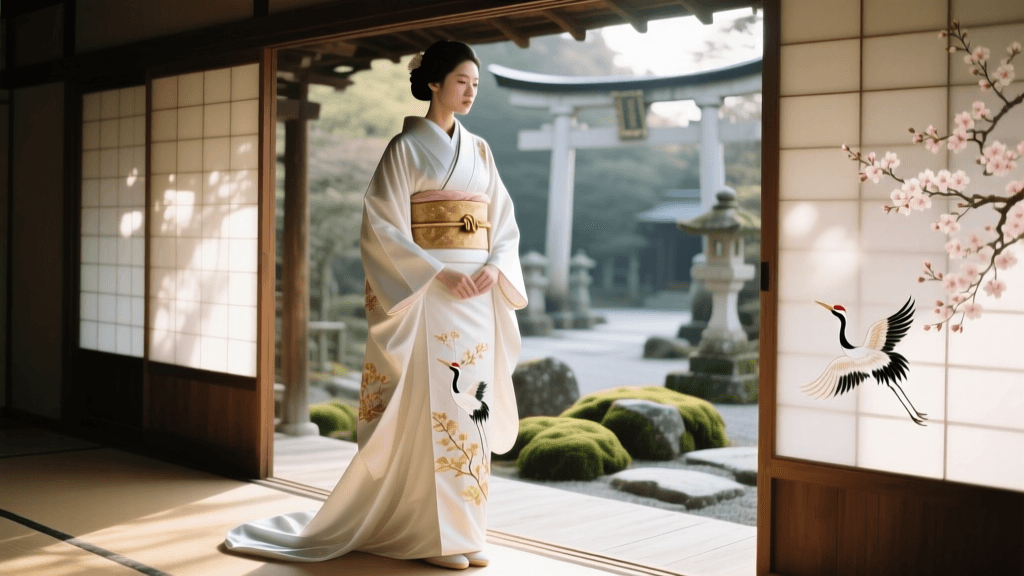
Ceremonial kimono are the haute couture of traditional Japanese dress. They are characterized by luxurious, often hand-woven silks, intricate dyeing techniques like Yuzen and Shibori, and the presence of kamon (family crests). According to the Encyclopædia Britannica's comprehensive guide to kimono history, the structural evolution of these formal garments has remained largely unchanged since the Edo period, preserving centuries of artisanal techniques.
Furisode (Swinging Sleeves)
The furisode is the most formal kimono for unmarried women. It is instantly recognizable by its dramatically long, swinging sleeves, which can measure anywhere from 85 to 114 centimeters in length. Historically, the waving of these long sleeves was a way for young women to express affection or ward off evil spirits. Today, the furisode is the undisputed star of Seijin no Hi (Coming of Age Day) and formal wedding attendance. In 2026, bespoke furisode crafted by master dyers in Kanazawa and Kyoto command premium prices, often ranging from 500,000 to over 2,000,000 JPY ($3,300 to $13,500 USD), reflecting the intense labor and precious materials involved.
Kurotomesode (Black Crested Kimono)
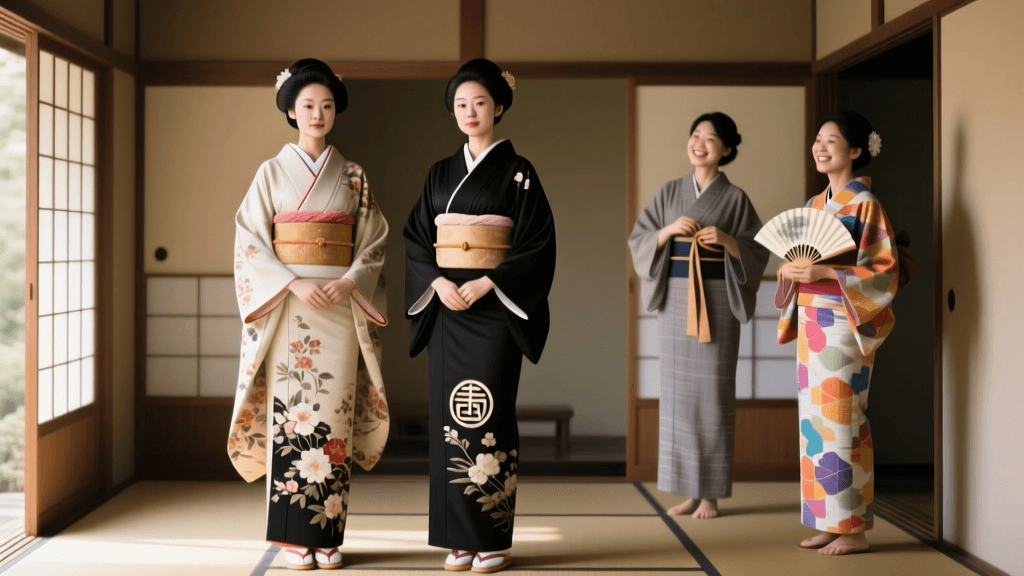
For married women, the kurotomesode represents the absolute peak of formality. This garment is entirely black, featuring a continuous, elaborate pattern only along the lower hem (e-ba), which flows seamlessly across the seams when wrapped. It always bears five kamon (family crests) dyed in white on the chest, back, and sleeves. It is exclusively worn by close female relatives of the bride and groom at weddings. The obi paired with a kurotomesode is typically a heavy, gold-threaded Nishijin-ori brocade, tied in a formal nijuudaiko knot.
Everyday Garments: Casual Elegance and Modern Adaptation
While ceremonial garments are reserved for a handful of major life events, everyday kimono are the workhorses of the traditional wardrobe. They prioritize comfort, ease of movement, and personal expression over strict hierarchical rules.
Komon (Repeating Patterns)
The komon is the quintessential everyday kimono. The word translates to "fine pattern," referring to the small, repeating motifs that cover the entire garment. Unlike formal kimono, komon do not feature family crests, and the patterns do not need to align at the seams. In 2026, the komon market has seen a surge in innovative, climate-responsive textiles. Modern washable silks and high-tech breathable polyesters (sen-i) that perfectly mimic the texture of traditional silk crepe (chirimen) have made komon more accessible and practical for daily wear, cafe hopping, and art gallery visits. Prices for a high-quality, modern komon range from 30,000 to 80,000 JPY ($200 to $530 USD).
Yukata (Summer Cotton)
The yukata is the most casual of all traditional Japanese garments. Originally worn as a bathrobe in the Heian period, it evolved into the standard summer festival wear. Made from lightweight, unlined cotton or hemp blends, the yukata is worn directly over undergarments without the complex layering required for silk kimono. In 2026, yukata styling has become incredibly experimental, with younger generations pairing them with modern accessories like lace-up boots, wide-brimmed straw hats, and crossbody leather bags. For deeper insights into historical textile preservation and the evolution of summer cottons, the Victoria and Albert Museum's Asian textile archives offer extensive visual documentation of how these casual garments have shifted over the centuries.
2026 Comparison Chart: Ceremonial vs. Everyday Kimono
| Feature | Ceremonial (Furisode / Kurotomesode) | Semi-Formal (Homongi / Tsukesage) | Everyday (Komon / Yukata) |
|---|---|---|---|
| Primary Fabric | Heavy silk crepe, Nishijin brocade | Lightweight silk, chirimen, tsumugi | Cotton, hemp, washable silk, polyester |
| Family Crests (Kamon) | 1, 3, or 5 crests (mandatory for highest formality) | 0 or 1 crest (optional) | None |
| Pattern Placement | Continuous hem (kurotomesode) or full body (furisode) | Asymmetrical, flowing across seams | Repeating small motifs (komon) or bold prints (yukata) |
| Obi Type | Maru or Fukuro obi (heavy brocade, gold/silver thread) | Fukuro or Nagoya obi (patterned silk) | Hanhaba obi (half-width, casual cotton/poly) |
| Footwear | Formal Zori with white Tabi | Zori or dressy Geta with white/patterned Tabi | Barefoot in Geta or modern boots (no Tabi required for Yukata) |
| 2026 Avg. Cost (New) | 500,000 - 2,000,000+ JPY | 150,000 - 400,000 JPY | 10,000 - 80,000 JPY |
Footwear and Accessories: Completing the Silhouette
The distinction between ceremonial and everyday wear extends far beyond the main garment; it dictates every accessory in the ensemble.
Zori vs. Geta
For ceremonial events, zori are mandatory. These are flat, elegant sandals typically covered in brocade, vinyl, or woven rattan, featuring a slight heel. They are always paired with pristine white tabi socks. In contrast, everyday komon can be paired with more comfortable, lower-profile zori or even leather shoes. The yukata, however, is strictly paired with geta—wooden clogs that elevate the wearer above the summer streets and produce the iconic "clack-clack" sound associated with Japanese festivals. In 2026, ergonomic geta with rubberized teeth and cushioned thongs have become highly popular, blending traditional aesthetics with modern podiatric comfort.
Obijime and Obidome
The obijime is the decorative cord tied over the obi. For formal wear, these are thick, round, braided silk cords in gold, silver, or white. For everyday wear, women utilize flat, colorful cords, often accessorized with an obidome—a small, decorative bead or charm. The 2026 trend in everyday styling favors obidome crafted from recycled glass, 3D-printed resins, and vintage brooches repurposed into kimono accessories, allowing for immense personalization.
Sourcing, Pricing, and Modern Care in 2026
The market for acquiring and maintaining these garments has evolved significantly. For ceremonial wear, the 2026 rental market remains dominant. High-end rental salons in Tokyo and Kyoto now utilize AI-driven body scanning and virtual try-on mirrors, allowing clients to visualize how different furisode patterns and obi knots will look on their specific frame before committing to a rental package, which typically costs between 30,000 and 80,000 JPY ($200 to $530 USD) for the day, including professional dressing services.
For everyday wear, the secondhand and vintage market is thriving. Platforms specializing in upcycled tansu (traditional chest) kimono offer komon and yukata for as little as 3,000 JPY ($20 USD). This circular fashion model aligns perfectly with the sustainability goals of modern consumers.
Care routines also highlight the divide. Ceremonial silks remain strictly dry-clean only, requiring specialized arai-hari (washing and stretching) services that can cost upwards of 15,000 JPY per garment. Conversely, the 2026 wave of washable silks and premium polyesters means everyday komon can be gently hand-washed or machine-washed on delicate cycles at home, drastically lowering the barrier to entry for daily kimono wearers.
Conclusion
Navigating the world of Japanese traditional garments requires an appreciation for both historical preservation and modern innovation. By understanding the strict boundaries of ceremonial furisode and kurotomesode, alongside the creative freedom of everyday komon and yukata, enthusiasts can confidently participate in this living tradition. Whether you are investing in a bespoke ceremonial piece or styling a vintage cotton yukata for a summer evening, respecting the TPO ensures that the kimono continues to thrive as a dynamic, respected pillar of Asian cultural heritage in 2026 and beyond.