Mastering Kimono Etiquette: Formal Dress Codes & Rules
The Philosophy of TPO in Japanese Dress
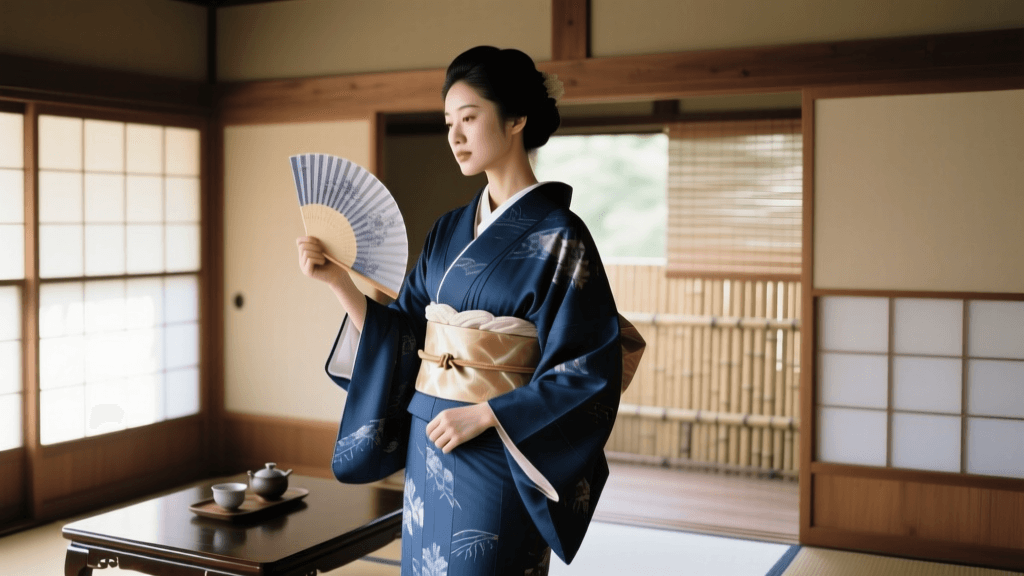
In the world of traditional Japanese clothing, the concept of TPO—Time, Place, and Occasion—is not merely a suggestion; it is the foundational grammar of the kimono. Unlike Western formalwear, where a tuxedo or evening gown might serve as a catch-all for various black-tie events, the kimono requires a meticulous alignment of garment type, motif, fabric, and accessories with the specific social context. According to the Metropolitan Museum of Art, the kimono has historically functioned as a profound communicator of the wearer's age, marital status, and social standing, making the adherence to formal dress codes a matter of deep cultural respect.
Understanding these rules ensures that you honor the host, the event, and the centuries-old artisan traditions that weave these garments. Whether you are attending a traditional wedding, a formal tea ceremony, or a coming-of-age ceremony, mastering kimono etiquette is essential for navigating Japanese formal occasions with grace.
The Hierarchy of Kimono Formality
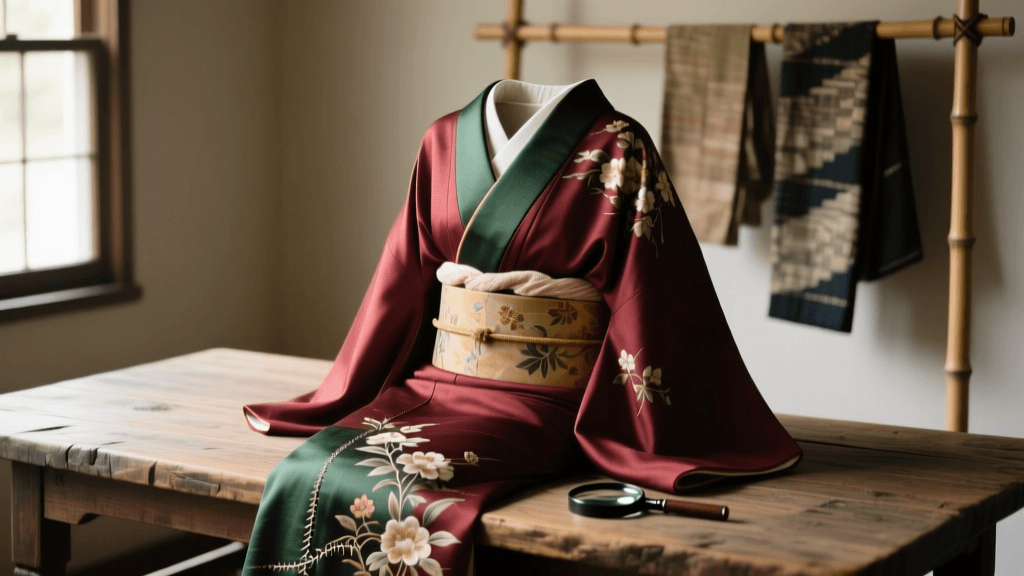
The formality of a kimono is determined by several factors: the presence and number of family crests (kamon), the dyeing technique, the fabric type, and the sleeve length. Below is a comprehensive guide to the hierarchy of women's formal kimono, which remains the most complex and rule-bound category of traditional dress.
| Kimono Type | Formality Level | Target Wearer | Key Characteristics & Occasions |
|---|---|---|---|
| Kurotomesode | Highest Formal | Married Women | Black silk with 5 crests. Motifs only below the waist. Worn by mothers of the bride/groom at weddings. |
| Irotomesode | Highest Formal | Married/Unmarried | Colored silk with 3 or 5 crests. Worn by close relatives at weddings or imperial court events. |
| Furisode | Highest Formal | Unmarried Women | Features long, swinging sleeves (up to 114cm). Worn for Coming of Age Day or as a wedding guest. |
| Homongi | Semi-Formal to Formal | Married/Unmarried | "Visiting wear" with patterns flowing across seams. 1 to 3 crests. Ideal for tea ceremonies and formal parties. |
| Tsukesage | Semi-Formal | Married/Unmarried | Patterns do not cross seams. Worn for graduation ceremonies, theater visits, or upscale dinners. |
| Komon | Casual | Married/Unmarried | Repeating all-over pattern. Not suitable for formal ceremonies; reserved for casual outings and practice. |
Essential Rules for Formal Occasions
Selecting the correct kimono is only the first step. The underlying layers, the obi (sash), and the accessories must all align with the formality of the outer garment.
Collar and Juban (Undergarment) Etiquette
For any formal occasion, the nagajuban (long under-kimono) must feature a crisp, white han-eri (detachable collar). While embroidered or patterned collars are acceptable for casual wear, white is the absolute standard for formality, symbolizing purity and cleanliness. The collar must be pulled tightly at the nape of the neck to reveal the eri-nuki (the nape), traditionally exposing about two to three fingers' width of skin. This subtle exposure is considered a hallmark of elegance in Japanese aesthetics.
Obi Selection and Knots
The obi can elevate or downgrade the formality of the entire ensemble. For formal events like weddings or tea ceremonies, a Fukuro obi (a formal, brocade sash woven with gold or silver threads) is required. The knot tied at the back also speaks volumes:
- Nijuudaiko Musubi (Double Drum Knot): The standard, dignified knot for married women wearing formal kimono like Kurotomesode or Homongi.
- Fukura-suzume (Sparrow Knot): A complex, decorative knot reserved for unmarried women wearing Furisode, designed to mimic a sparrow in flight.
- Otaiko Knot Variations: Simpler drum knots are used for semi-formal wear, but should never be used with the highest formality garments.
Footwear and Accessories
Formal kimono etiquette strictly dictates the use of Zori (flat, woven or brocade sandals) paired with Tabi (split-toe socks). For formal events, the Tabi must be pristine white cotton or silk. Bare feet or colored Tabi are strictly forbidden in formal settings. The accompanying bag should be a small, structured Kinchaku or brocade handbag that matches the metallic tones of the obi. Large, everyday handbags are considered inappropriate as they disrupt the silhouette of the kimono.
Seasonality and Motif Rules
One of the most poetic aspects of kimono etiquette is the strict adherence to seasonality. As highlighted by the Victoria and Albert Museum, the kimono is deeply intertwined with the natural world and the changing seasons. However, the rule of thumb is to anticipate the season rather than reflect it.
"In Japanese dress, one should wear motifs of the upcoming season about a month before it actually arrives, allowing the garment to herald the change in nature rather than lag behind it."
For example, cherry blossom (sakura) motifs should be worn in late February and March, while the flowers are still in bud. Wearing full-bloom cherry blossoms in late April, when the petals are falling, is considered a faux pas. Similarly, autumn maple leaves are worn in September, and winter pine, bamboo, and plum (shochikubai) motifs are reserved for December and January, particularly for New Year celebrations.
Common Mistakes to Avoid
When dressing in a kimono, or when hiring a professional kitsuke (kimono dresser), be vigilant about these common errors that can cause offense or signal a lack of cultural understanding:
- The Left-Over-Right Rule: The left panel of the kimono must always wrap over the right panel. Wrapping right-over-left is exclusively reserved for dressing the deceased for burial. This is the most critical rule in kimono etiquette.
- Hemline Length: For formal occasions, the hem of the kimono should rest exactly at the ankle bone, covering the Tabi socks completely when standing. Allowing the hem to drag on the floor (a trend sometimes seen in modern fashion photography) is highly inappropriate for traditional formal events and will soil the expensive silk.
- Over-accessorizing: Western formalwear often encourages bold jewelry. In kimono etiquette, jewelry is largely omitted. Necklaces clash with the collar, and bracelets interfere with the sleeves. A subtle wedding band or a single, elegant hairpin (kanzashi) is sufficient.
Practical Advice for Modern Wearers
If you are a foreign visitor or a modern enthusiast attending a formal Japanese event, renting is a highly practical and culturally accepted option. When visiting a rental shop in Kyoto or Tokyo, specify the exact nature of your event (e.g., "I am attending a friend's wedding as a guest"). The staff will guide you toward a Homongi or Furisode, depending on your marital status. Expect to pay between ¥8,000 and ¥15,000 ($55 to $100 USD) for a full-day formal rental, which typically includes the kimono, obi, undergarments, zori, and dressing services.
Always book your dressing appointment early in the morning, as formal events like weddings require you to arrive before the ceremony begins. Communicate any physical limitations or sensitivities to the dresser, as the binding of the koshi-himo (tying cords) can be quite tight to ensure the garment does not slip throughout the day.
Conclusion
Mastering kimono etiquette is an exercise in mindfulness. It requires the wearer to be acutely aware of their environment, the season, and the people they are honoring with their presence. While the rules governing formal dress codes may seem rigid to the uninitiated, they are ultimately a framework for expressing respect, beauty, and cultural continuity. By understanding the hierarchy of formality, adhering to the TPO principle, and respecting the subtle language of motifs and accessories, you can wear the kimono not just as a costume, but as a profound tribute to Japanese heritage.