Kimono and Hanbok: Ceremonial vs Everyday 2026 Guide
The Evolution of Asian Traditional Dress in 2026
As we navigate the fashion landscape of 2026, traditional Asian garments have successfully bridged the gap between historical preservation and contemporary wardrobes. The dichotomy between ceremonial and everyday wear is more pronounced—and more innovative—than ever. While ceremonial garments remain steadfast in their intricate construction and cultural symbolism, everyday iterations have embraced modern textiles, ergonomic tailoring, and sustainable production methods. Understanding the distinction between these two categories is essential for anyone looking to integrate pieces like the Japanese kimono or the Korean hanbok into their modern lifestyle.
According to the Kyoto Costume Institute, the global appreciation for Asian sartorial heritage has surged, driven by a desire for slow fashion and artisanal craftsmanship. However, wearing a multi-layered ceremonial silk garment requires a vastly different approach than styling a modernized, everyday cotton alternative. This guide breaks down the nuances of ceremonial versus everyday traditional garments in Japan and Korea, offering actionable styling, sourcing, and care advice for 2026.
Japanese Garments: Formal Kimono vs. Everyday Yukata
Ceremonial: Furisode and Tomesode
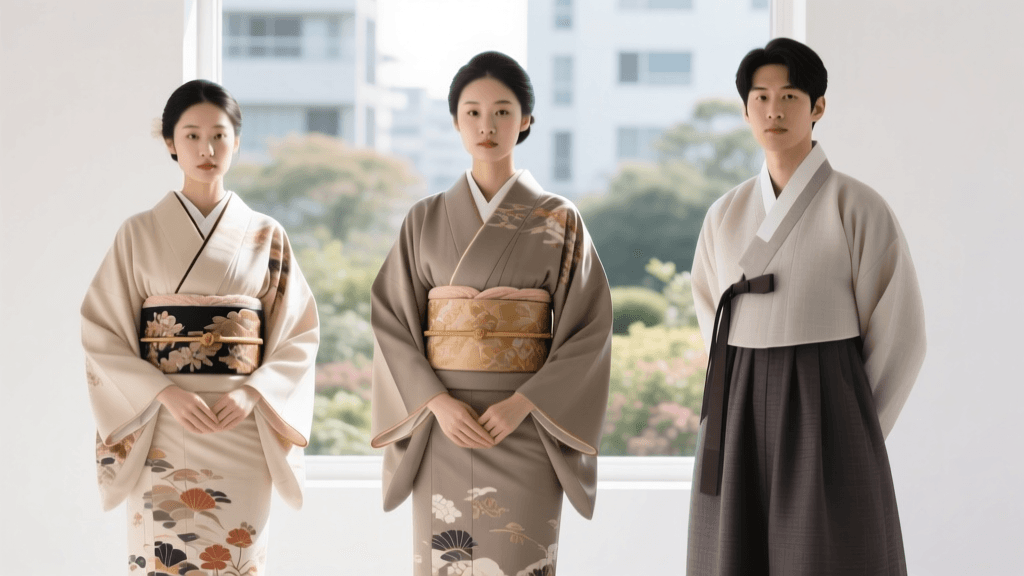
In Japan, ceremonial kimono such as the Furisode (for unmarried women) and Tomesode (for married women) represent the pinnacle of textile artistry. In 2026, a genuine, hand-painted silk Furisode from a master artisan in Kyoto or Kanazawa is a significant investment, typically ranging from ¥400,000 to over ¥800,000. These garments are characterized by their heavy, lustrous silk (often rinzu damask), elaborate yuzen dyeing, and gold leaf accents.
Ceremonial kimono are not designed for ease of wear. Dressing in a formal kimono, a process known as kitsuke, requires multiple undergarments (juban, hadajuban), various stiffening pads, and a complex array of ties (datejime, obijime). The heavy, brocade maru obi or fukuro obi can weigh several kilograms. Consequently, ceremonial kimono are strictly reserved for milestone events: Coming of Age Day (Seijin no Hi), university graduations, and traditional weddings.
Everyday: Yukata and Komon
For daily life, casual outings, and summer festivals, the Yukata and Komon are the standard. The Yukata is an unlined, lightweight garment originally designed as a bathrobe but now serves as the ultimate casual summer wear. In 2026, the Yukata has seen a massive revival, with brands introducing tech-fabrics that offer UV protection and moisture-wicking properties while mimicking the drape of traditional cotton and hemp.
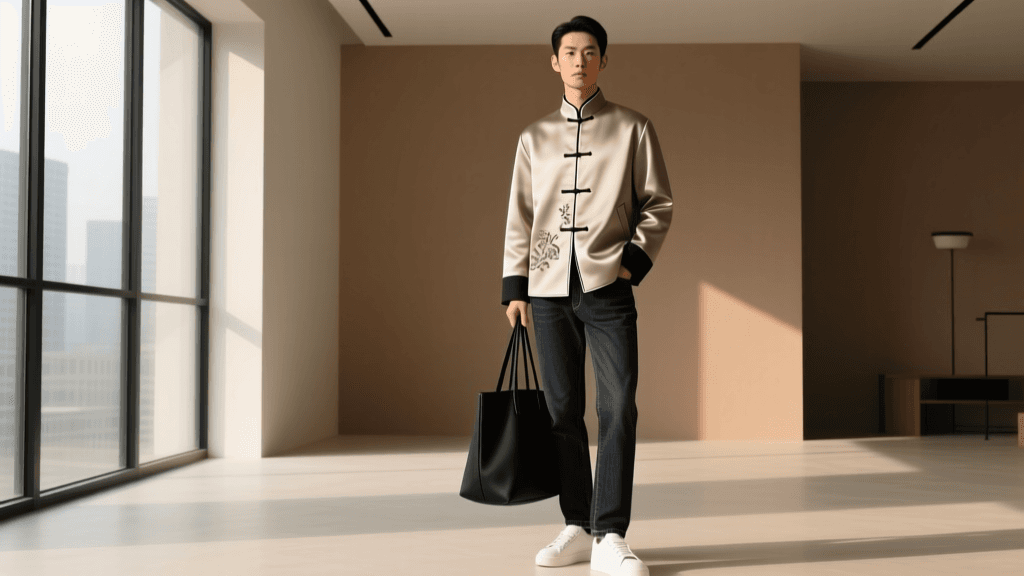
The Komon, a casual kimono featuring a repeating, all-over pattern, is the go-to for everyday elegance in cooler months. Unlike ceremonial silk, modern Komon and Yukata are frequently made from machine-washable polyester blends or sustainably sourced organic cotton. Priced accessibly between ¥5,000 and ¥30,000, they can be dressed down with modern accessories. A major 2026 trend involves pairing vintage Komon jackets with tailored denim and leather boots, completely bypassing the traditional obi for a minimalist, structured belt.
Korean Garments: Traditional Hanbok vs. Modern Gaeryang Hanbok
Ceremonial: Myeongjeol and Wedding Hanbok
The traditional Korean ceremonial hanbok, worn during major holidays like Chuseok and Seollal, or for weddings, is defined by its voluminous silhouette and vibrant use of Obangsaek (the traditional five-color spectrum). The women’s ceremonial hanbok consists of a jeogori (jacket) with long, sweeping sleeves and a massive, floor-length chima (skirt) that requires multiple petticoats (sokchima) to achieve the iconic bell shape.
Authentic ceremonial hanbok are crafted from gongdan (heavy silk satin) or intricately woven ramie. According to the National Museum of Korea, the preservation of traditional weaving and natural dyeing techniques remains a vital part of Korean cultural heritage, which is reflected in the premium pricing of ceremonial sets, often exceeding ₩800,000 for bespoke, hand-embroidered bridal or holiday sets. The wearing of ceremonial hanbok is highly codified, requiring specific hairstyles, daenggi (ribbons), and traditional kkotsin (silk shoes).
Everyday: Modern Gaeryang Hanbok
The Gaeryang Hanbok (modernized or daily hanbok) has revolutionized how Koreans and global fashion enthusiasts interact with traditional dress. Stripped of restrictive petticoats and heavy silks, the 2026 daily hanbok features A-line midi skirts with discreet side pockets, and cropped jeogori blouses that fasten with hidden hooks or modern toggle buttons rather than complex ribbon knots.
Fabrics have shifted toward breathable linen, crisp poplin, and soft corduroy for winter wear. Priced between ₩50,000 and ₩150,000 for a full set, daily hanbok is designed for the modern commute. In 2026, office-appropriate daily hanbok is a staple in Seoul’s business districts, with designers offering muted, monochromatic palettes (like slate grey, olive, and navy) that pair seamlessly with modern loafers, blazers, and structured tote bags.
2026 Comparison Chart: Ceremonial vs. Everyday Wear
| Feature | Ceremonial (Furisode / Myeongjeol Hanbok) | Everyday (Yukata / Gaeryang Hanbok) |
|---|---|---|
| Primary Fabrics | Heavy silk, brocade, ramie, satin | Cotton, linen, tech-polyester, poplin |
| Average Cost (2026) | ¥400,000+ / ₩800,000+ | ¥5,000 - ¥30,000 / ₩50,000 - ₩150,000 |
| Maintenance | Professional specialist dry-cleaning only | Machine washable or standard eco-dry clean |
| Dressing Time | 30 - 60 minutes (often requires a professional) | 3 - 10 minutes (self-dressing) |
| Footwear Pairing | Zori with tabi socks / Kkotsin with beoseon | Geta, sneakers, modern loafers, ankle boots |
| 2026 Styling Trend | Heirloom rental, sustainable vintage restoration | Streetwear integration, office-casual layering |
Sourcing, Pricing, and Care in 2026
When building a wardrobe that respects Asian traditions while functioning in a modern context, sourcing and care are paramount. For ceremonial garments, the 2026 market heavily favors the circular economy. Rather than purchasing new silk, which carries a heavy environmental footprint, many enthusiasts are turning to authenticated vintage rental services and upcycled heirloom silk. When caring for vintage ceremonial silk, avoid standard dry cleaners. Seek out specialists who use liquid silicone or eco-friendly hydrocarbon solvents, which preserve the metallic threads and natural dyes without degrading the protein fibers.
For everyday garments, accessibility is key. Japanese brands like Yamato and Korean labels like Leesle continue to dominate the 2026 daily wear market, offering pieces that can be tossed into a washing machine on a delicate cycle. To maintain the structural integrity of a daily hanbok skirt or a cotton yukata, air drying is highly recommended to prevent the shrinkage that can alter the precise hemlines required for traditional aesthetics.
Footwear and Accessories: Bridging the Gap
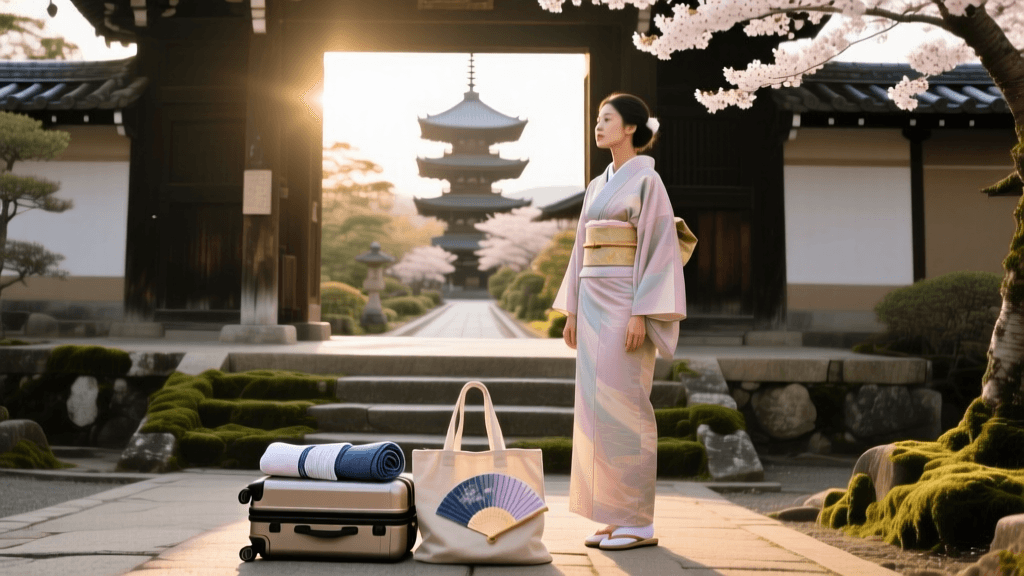
The most significant shift in 2026 is seen in footwear and accessories. Ceremonial wear still demands strict adherence to tradition; wearing a Furisode requires pristine white tabi socks and woven zori sandals. However, everyday wear has completely embraced cross-cultural styling. It is now incredibly common to see a linen Yukata paired with minimalist leather sneakers or a daily Hanbok skirt styled with a contemporary crossbody bag and chunky loafers. The Victoria and Albert Museum notes that this hybridization is not a dilution of culture, but a vital evolutionary step that ensures these garments remain living, breathing elements of daily life rather than static museum artifacts.
Conclusion
Whether you are investing in a breathtaking, hand-dyed ceremonial Tomesode for a milestone celebration or slipping into a breezy, modernized linen hanbok for a weekend cafe visit, understanding the boundary between ceremonial and everyday wear allows you to honor the culture appropriately. In 2026, the beauty of Asian traditional garments lies in their duality: they are capable of holding the immense weight of history, while simultaneously adapting to the rhythm of modern, everyday life.