2026 Traje de Flamenca Guide: Feria Dance Costumes & Trends
The Living Heritage of Andalusian Festival Dress
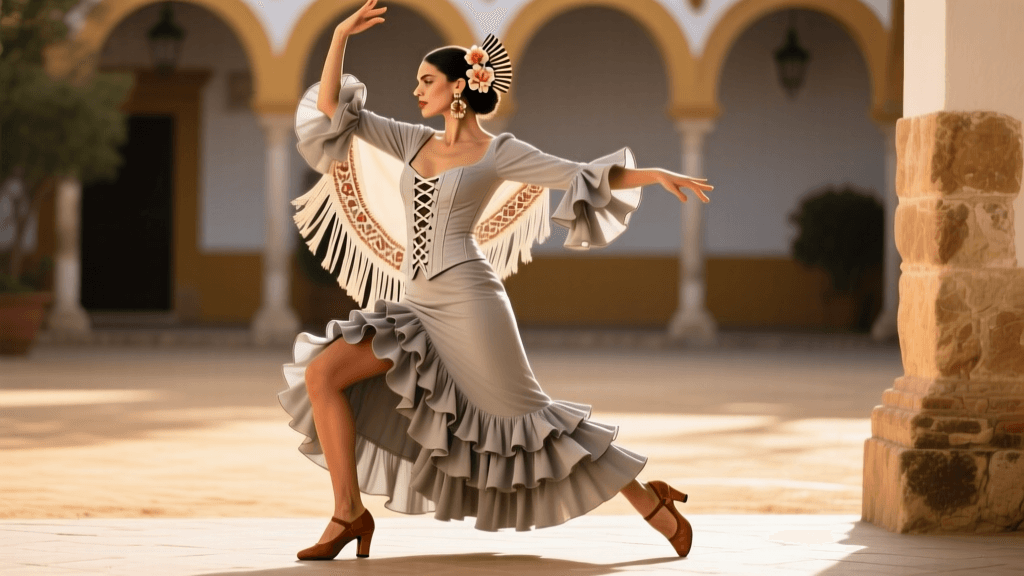
When discussing European folk dress, few garments are as inextricably linked to movement, rhythm, and festival culture as the Traje de Flamenca (also widely known as the Traje de Gitana). Originating in the late 19th and early 20th centuries from the modest calico robes worn by Romani women and the wives of livestock merchants at the Seville livestock fairs, this garment has evolved into a sophisticated, high-fashion folk costume. As we approach the vibrant spring 2026 festival season, the upcoming Feria de Abril in Seville promises to showcase a stunning array of these traditional garments, specifically engineered for the demands of folk dance.
Unlike many European regional costumes that are preserved strictly as static museum pieces or worn solely for passive parade participation, the Andalusian festival dress is a living, breathing entity. It is designed to respond to the Sevillanas and Flamenco dances. The skirt must flare during the vuelta (turn), the ruffles must cascade with a specific weight, and the bodice must allow for the expansive, graceful arm movements known as braceo. According to the Museo del Baile Flamenco, the intersection of textile engineering and choreography is what makes this specific regional dress entirely unique in the European folk tradition.
Engineering the Skirt: Cuts and Godets for Sevillanas
The soul of the Traje de Flamenca lies in its skirt (falda) and the strategic placement of its ruffles (volantes). For dancers performing at the 2026 Feria, the cut of the skirt dictates their mobility. The traditional dress is constructed using a base skirt with inserted triangular panels of fabric called nesgas (godets). These godets are what allow the skirt to remain relatively narrow at the hips while flaring dramatically at the hem, creating the iconic bell shape when the dancer spins.
For the 2026 season, master tailors in Seville are emphasizing the corte a la sirena (mermaid cut) for advanced dancers. This cut hugs the body tightly down to the mid-thigh or knee before flaring out into a cascade of ruffles. While visually spectacular, it requires the dancer to have excellent footwork (zapateado) technique, as the restricted hip movement forces the dancer to rely on ankle and calf agility. Conversely, the corte campero or corte campesina (country cut) features a higher waist and a fuller, more forgiving skirt that gathers from the waist or a high yoke (canesú). This cut is highly favored for communal festival dancing, as it allows for wider stances and more vigorous, uninhibited footwork.
Comparison of Skirt Silhouettes for Folk Dance Performance
| Silhouette / Cut | Hip Fit | Ruffle Placement | Best Suited Dance Style | Mobility Rating |
|---|---|---|---|---|
| Corte a la Sirena | Tight to knee/mid-thigh | Lower third of the leg | Stage Flamenco, Choreographed Sevillanas | Moderate (Restricts wide stances) |
| Corte Campesina | Flows from waist/yoke | Evenly distributed or hem-heavy | Feria Social Dancing, Fandangos | High (Allows deep bends and wide steps) |
| Corte Canastero | Dropped waist, tiered | Tiered ruffles from hip to hem | Rumbas, Festive Folk Dances | High (Lightweight and highly mobile) |
2026 Textile Innovations and Color Palettes
The textile choices for the 2026 Feria de Abril reflect a broader European shift toward sustainable, breathable fabrics without sacrificing the dramatic drape required for folk dance. Historically, heavy poplins and stiff cottons were the standard. Today, leading Andalusian designers are utilizing eco-friendly cotton-sateen blends and lightweight viscose that offer the necessary 'swing' for the ruffles while keeping the dancer cool in the southern Spanish spring heat.
Color trends for 2026 are moving away from the neon brights of the early 2010s and returning to rich, historically grounded palettes. Deep 'Andalusian Terracotta', 'Olive Green', and 'Midnight Navy' are dominating the bespoke fitting rooms. The classic lunares (polka dots) remain an eternal staple, but the 2026 iteration favors micro-dots and asymmetrical dot placements that create a mesmerizing optical illusion during rapid spins. Furthermore, digital printing techniques have allowed for the revival of intricate cachemir (paisley) motifs, scaled up and printed on fluid crepes, offering a luxurious alternative to traditional embroidered appliqués.
The Mantón de Manila: Extending the Dancer's Line
No Traje de Flamenca is complete without the Mantón de Manila, a large, heavily embroidered silk shawl with long, hand-knotted silk fringe (flecos). Originally imported from China via the Manila galleon trade routes in the 18th century, it was adopted by Andalusian women and eventually integrated into the folk dance lexicon. For the festival dancer, the mantón is not merely an accessory; it is an extension of the body.
When performing the Sevillanas, the dancer manipulates the shawl to accentuate the braceo (arm movements) and the rhythmic clapping (palmas). The heavy silk and long fringe create a visual trail that emphasizes the musicality and timing of the choreography. In 2026, authentic hand-embroidered silk mantones are considered heirloom investments, often costing upwards of €1,500. However, for active festival dancers who require easier maintenance, high-quality embroidered crepe and lightweight wool-silk blends have become incredibly popular, offering the same visual weight and fringe movement at a fraction of the cost and care requirements.
Footwear and Accessories: The Percussive Elements
The auditory experience of European folk dance is just as critical as the visual, and in Andalusia, the footwear provides the percussion. The zapato de flamenco is a specialized piece of dance equipment. The heels and toes are embedded with small metal nails (clavos) that strike the wooden floors of the casetas (festival tents) to produce sharp, rhythmic beats. For the 2026 season, dancers are favoring a 5-centimeter to 6-centimeter robust heel, which provides the necessary elevation for the calf muscles while maintaining the stability required for hours of dancing on uneven festival grounds.
Accessories for the hair and face are equally codified. The peineta (a large, decorative tortoiseshell or acrylic comb) is placed at the back of the head to secure the hair and provide a base for the flor (a large, fabric or fresh flower, typically a rose or carnation). The placement of the flower is traditionally dictated by the dancer's relationship status or simply personal aesthetic, though it must be securely pinned to withstand vigorous head movements (marcajes). Large, dangling earrings (pendientes de aro or botones) frame the face and catch the light, completing the silhouette.
Commissioning Your Garment for the 2026 Season
Acquiring an authentic, dance-ready Traje de Flamenca requires foresight. The Andalusian Tourism Board notes that the region's artisanal workshops experience massive surges in demand leading up to spring. If you are planning to attend the Feria de Abril or participate in regional folk dance troupes in 2026, you must begin the commissioning process by January or February at the latest.
Bespoke dresses tailored specifically to your measurements and dance requirements typically range from €400 to €1,200, depending on the complexity of the ruffles, the quality of the lace (encaje), and the number of nesgas inserted into the skirt. For those on a tighter budget or shorter timeline, the 2026 Feria de la Moda Flamenca showcased several high-quality prêt-à-porter (ready-to-wear) lines that offer dance-friendly cuts in standardized sizing, typically priced between €180 and €350. Regardless of the route you choose, ensuring the garment allows for a full range of motion in the shoulders and hips is paramount for any dancer looking to honor the vibrant, kinetic heritage of this extraordinary European folk tradition.
Care and Maintenance of Festival Garments
The rigorous nature of folk dance means that a Traje de Flamenca will endure sweat, friction, and the dusty environment of the festival grounds. Proper maintenance is essential to preserve the structural integrity of the godets and the crispness of the ruffles. After the 2026 festival season, garments should be professionally dry-cleaned, particularly those featuring heavy lace overlays or delicate silk blends. The ruffles should be carefully folded with acid-free tissue paper to prevent permanent creasing, and the dress should be stored in a breathable cotton garment bag, never plastic, to prevent moisture buildup and fabric yellowing. By treating this folk dress with the respect owed to a piece of performance engineering, dancers ensure their garments remain vibrant for many seasons of celebration to come.