2026 Kimono Guide: Birth, Coming-of-Age & Memorial Ceremonies
The Evolution of Family Ceremonies in 2026
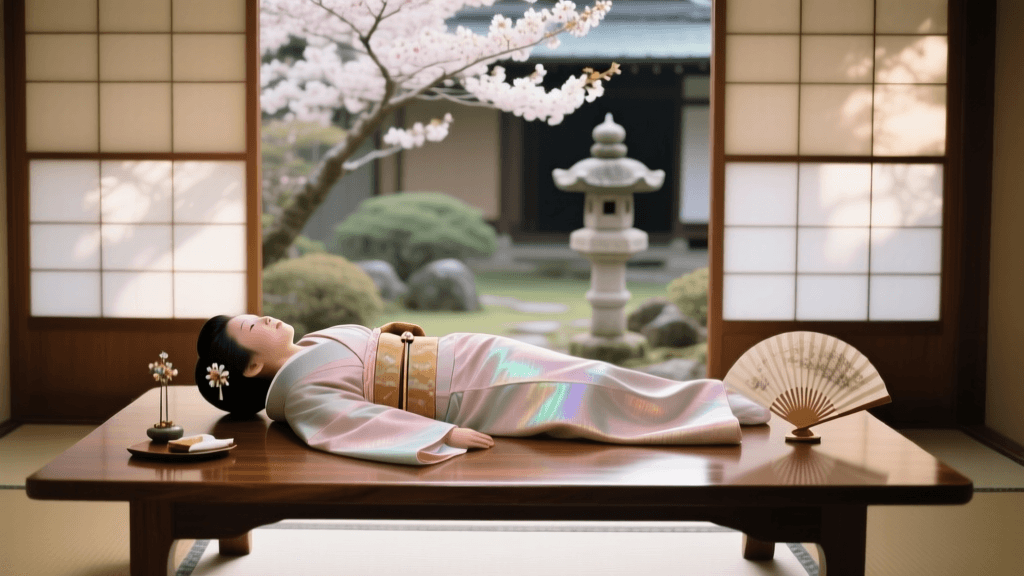
Japanese family ceremonies are profound expressions of cultural continuity, marking the delicate transitions of life from birth to adulthood, and ultimately, the respectful remembrance of those who have passed. In 2026, the intersection of time-honored tradition and modern convenience has transformed how families approach ceremonial garments. While the core spiritual significance of these milestones remains untouched, the logistics of acquiring, styling, and wearing kimonos have evolved significantly.
According to cultural preservation insights highlighted by the Japan National Tourism Organization, there is a growing movement toward sustainable, high-quality rental services and vintage restorations, allowing younger generations to participate in these rites of passage without the prohibitive costs of purchasing bespoke silk garments. Furthermore, modern travel and lifestyle publications like MATCHA frequently note that inbound visitors and diaspora families are increasingly utilizing digital consultation tools to plan their ceremonial wardrobes months in advance. This comprehensive guide explores the essential kimono protocols for birth blessings, coming-of-age ceremonies, and memorial services in 2026.
Omiyamairi: Welcoming the Newest Generation
The Omiyamairi, or first shrine visit, traditionally takes place when a newborn is about one month old. This Shinto ritual introduces the baby to the local tutelary deity (ujigami) and prays for their health and longevity. The sartorial focal point of this ceremony is not actually worn by the infant, but rather draped over the person carrying the baby—traditionally the paternal grandmother, though in 2026, it is equally common for the mother or father to take on this role.
The garment used is the uwagi, a highly decorative, brightly colored silk kimono. In 2026, rental shops offer lightweight, breathable silk-blend uwagi specifically designed for summer births, featuring hidden mesh panels to prevent overheating. The baby themselves is dressed in a simple white cotton ubugi (undergarment) and a festive outer layer. Traditional accessories like the inuhariko (papier-mâché dog charm symbolizing easy childbirth and health) and denki-mamori (flashlight charm for wisdom) are tied to the uwagi's silk cords.
For the parents, the dress code requires elegant but subdued formality. Mothers typically wear a houmongi (visiting kimono) or a tsukesage, featuring auspicious motifs like cranes, pine, or plum blossoms. Fathers usually opt for a subtle iromuji (solid-colored kimono) with a hakama, or increasingly, a formal dark suit. When booking an Omiyamairi package in 2026, expect to pay between ¥35,000 and ¥60,000 ($230–$400 USD) for a family rental bundle, which often includes professional dressing and a commemorative shrine photography session.
Seijin-shiki: Navigating the Coming-of-Age Shift
The Seijin-shiki (Coming-of-Age Day) is perhaps the most visually spectacular of Japanese family ceremonies. Following the national legal shift that lowered the age of adulthood to 18, the landscape of these ceremonies has diversified. By 2026, municipalities across Japan have largely settled into new rhythms: some wards hold ceremonies for 18-year-olds to align with the legal definition, while many others continue to host them for 20-year-olds to avoid conflicts with high school and university entrance exams. Regardless of the exact age, the sartorial traditions remain fiercely protected.
For young women, the undisputed garment of choice is the furisode, characterized by its dramatically long, swinging sleeves that signify unmarried youth. The 2026 furisode market is dominated by 'neo-vintage' trends, where families rent meticulously restored Showa-era (1926–1989) kimonos paired with contemporary, minimalist obi belts. This sustainable approach has reduced the environmental impact of producing new, heavily dyed silks. A full furisode rental package, including dressing, hair styling, and studio portraits, averages ¥80,000 to ¥150,000 ($530–$1,000 USD) in 2026.
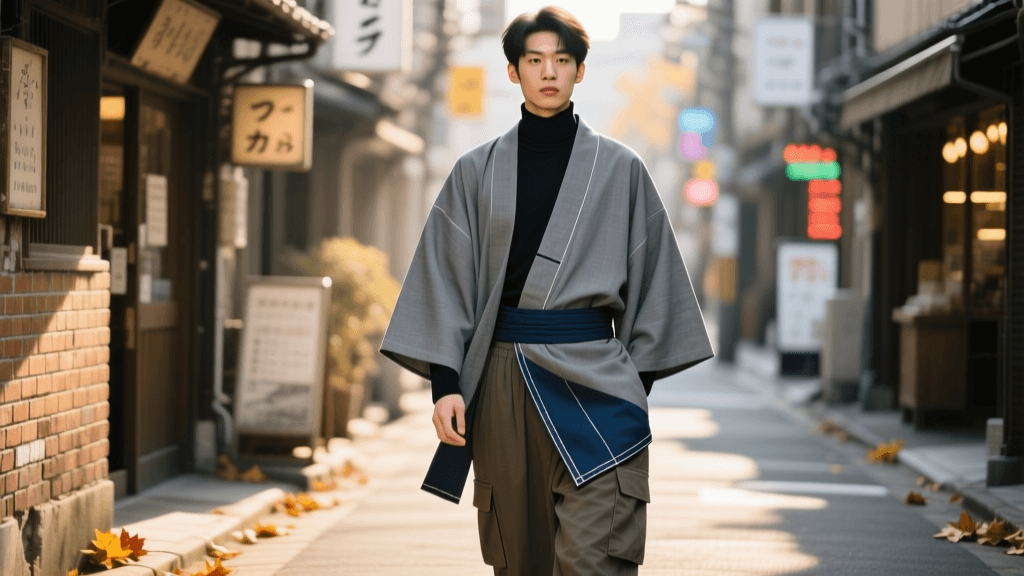
For young men, the traditional choice is a montsuki hakama (crested kimono with pleated trousers), usually in deep shades of navy, charcoal, or black. However, modern tailoring has introduced stretch-fabric hakama that offer greater mobility and comfort during long municipal speeches. Men's rental packages are generally more affordable, ranging from ¥25,000 to ¥45,000 ($165–$300 USD). Many 2026 rental salons now offer AI-driven virtual try-on mirrors, allowing young adults to experiment with dozens of obi and haori jacket combinations in minutes before finalizing their physical fittings.
Memorials and Obon: Honoring Ancestors with Grace
While birth and coming-of-age are celebrations of the future, memorial ceremonies (Hōji) and the Obon festival are solemn observances of the past. Obon, typically held in August (or July in some regions), is when the spirits of ancestors are believed to return to the earthly realm. Family gatherings, grave cleaning, and temple visits require attire that communicates deep respect and humility.
For formal mourning, such as a 49-day or annual memorial service, the strictest dress code applies: mofuku. This is a plain, five-crested black silk kimono worn with a black obi, black obijime (cord), and black zori sandals. In 2026, advancements in textile engineering have introduced washable, wrinkle-resistant synthetic mofuku that are virtually indistinguishable from silk, offering a practical solution for families traveling long distances for services.
For less formal memorials or Obon temple visits, women wear iromuji—solid-colored kimonos in subdued, matte shades like slate gray, deep navy, or muted plum, featuring a single or three family crests. Summer memorials present a unique challenge due to Japan's intense heat and humidity. To address this, 2026 summer collections heavily feature ro and sha weaves—sheer, breathable silk gauzes that allow for airflow while maintaining the required opacity and formality when layered correctly over a specialized slip. Men attending these services typically wear a subdued iromuji with a dark hakama, or a conservative business suit. Purchasing a high-quality synthetic mofuku for emergency or frequent use costs around ¥40,000 ($265 USD) in 2026, a worthwhile investment for families managing ongoing memorial obligations.
2026 Kimono Rental and Purchase Comparison Chart
| Ceremony | Primary Garment | 2026 Avg. Rental Cost (JPY/USD) | Booking Lead Time |
|---|---|---|---|
| Omiyamairi (Birth) | Uwagi (Baby Drape) & Houmongi | ¥45,000 / $300 | 3–4 Weeks |
| Seijin-shiki (Coming-of-Age) | Furisode / Montsuki Hakama | ¥110,000 / $730 | 6–8 Months |
| Formal Memorial (Hōji) | Mofuku (5-Crest Black) | ¥15,000 / $100 (Purchase preferred) | 1–2 Weeks |
| Obon (Summer Ancestral) | Iromuji (Ro/Sha Summer Weave) | ¥25,000 / $165 | 1 Month |
Practical Tips for 2026 Bookings and Styling
Navigating the modern kimono industry requires a blend of cultural awareness and logistical planning. To ensure a seamless experience for your family's milestones, consider the following expert strategies for 2026:
- Secure Furisode Early: The most sought-after vintage and designer furisode are booked up to a year in advance. If your child is turning 18 or 20 in January 2027, begin salon consultations in early 2026.
- Weather Contingencies for Obon: August in Japan brings typhoons and extreme heat. Always book a rental salon that provides climate-controlled transit vehicles or offers emergency rain gear (shigure-gasa) and absorbent foot covers for zori sandals.
- Inclusive Sizing: The 2026 rental market has vastly expanded its size inclusivity. Salons now routinely stock tall and plus-size kimonos, utilizing specialized padding techniques (hadajuban adjustments) to ensure a flawless silhouette for all body types.
- Digital Wardrobe Archiving: Many premium 2026 rental packages include high-resolution digital scans of your family's crests and garment measurements, creating a permanent digital archive for future generations.
'The beauty of the kimono lies not just in its silk threads, but in its ability to adapt to the lives of those who wear it. In 2026, we see technology and sustainability enhancing tradition, ensuring these garments remain accessible for every family's most sacred moments.' — Senior Curator, Kyoto Textile Heritage Institute.
Whether you are wrapping a newborn in the vibrant silks of an uwagi, watching a young adult step into their future in a sweeping furisode, or bowing in quiet reflection in a formal mofuku, the kimono remains the ultimate vessel for Japanese family heritage. By understanding the nuances of 2026's ceremonial landscape, you can honor the past while embracing the innovations of the present.