2026 Kimono Guide for Birth, Coming-of-Age & Memorial Ceremonies
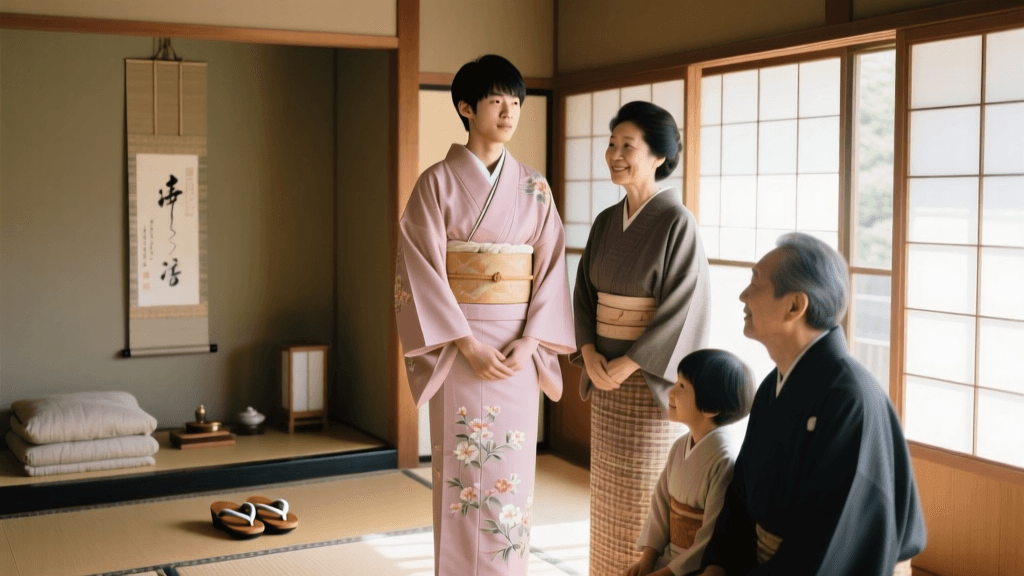
The Enduring Role of Kimono in Japanese Family Milestones
In Japan, the kimono is far more than a traditional garment; it is a wearable archive of family history, social status, and cultural continuity. As we navigate through 2026, the intersection of ancient customs and modern lifestyles has reshaped how families approach ceremonial dress. While Western attire has become commonplace for daily life, major life milestones—birth, coming-of-age, and memorials—still demand the elegance and formality of traditional Japanese silk. According to cultural overviews provided by the Japan National Tourism Organization, preserving these sartorial traditions remains a priority for modern Japanese families, even as the logistics of renting, styling, and wearing kimono evolve to meet contemporary needs.
This comprehensive guide explores the specific kimono requirements for three major family ceremonies in 2026, offering actionable advice on garment selection, modern styling trends, and the practicalities of navigating today’s rental and retail markets.
Omiyamairi: Celebrating Birth and the First Shrine Visit
Omiyamairi (or Miyamairi) is the traditional shrine visit that takes place roughly one month after a baby is born. The purpose is to thank the deities for the safe delivery of the child and to pray for their healthy growth. In 2026, this ceremony remains a vital family gathering, typically involving the parents, the newborn, and the paternal grandparents.
The Baby’s Ceremonial Garment: The Uwagi
The centerpiece of Omiyamairi is the baby’s Uwagi (ceremonial kimono), often referred to as an Iwagi (celebration garment). This is typically a white silk under-kimono layered beneath a richly decorated outer kimono bearing the family’s kamon (crest). Traditional motifs like cranes, pine trees, or treasure ships are embroidered or hand-painted using the yuzen dyeing technique to symbolize longevity and prosperity.
Attire for Parents and Grandparents
While the baby is the focal point, the accompanying family members must adhere to strict formality levels. Mothers and grandmothers typically wear a Houmongi (visiting kimono) or a Tsukesage. In 2026, there is a strong preference for Houmongi featuring elegant, flowing e-ba (picture-back) patterns that cross the seams seamlessly. Fathers and grandfathers generally opt for Western formal suits, though a traditional Montsuki Hakama (crested kimono with pleated trousers) is seeing a niche resurgence among younger fathers wanting to honor heritage.
- 2026 Trend: Due to increasingly unpredictable spring and autumn weather patterns, many families are opting for lightweight, breathable silk blends and advanced moisture-wicking juban (undergarments) to keep infants and elders comfortable during outdoor shrine processions.
Seijin-shiki and Hatachi no Tsudoi: The Coming-of-Age Transition
The Coming-of-Age ceremony is one of the most vibrant and highly anticipated events on the Japanese calendar. Following the national legal shift that lowered the age of adulthood to 18, municipalities have largely rebranded the traditional Seijin-shiki to Hatachi no Tsudoi (The Gathering of Twenty-Year-Olds) to ensure participants are old enough to legally celebrate with alcohol and are less burdened by university entrance exams. By 2026, this rebranded celebration is firmly entrenched, and the fashion surrounding it is more dynamic than ever.
Women’s Furisode: The Pinnacle of Unmarried Formality
Young women celebrate this milestone by wearing a Furisode, a highly formal kimono characterized by its long, swinging sleeves (ranging from 90cm to 114cm in length). The furisode is exclusively worn by unmarried women and represents the pinnacle of youthful elegance.
In 2026, the furisode market is dominated by two distinct trends:
- Retro-Modern Revival: Bold, Taisho-era inspired geometric patterns paired with unconventional obi belts, such as velvet or heavily textured brocades.
- Vintage Upcycling: With sustainability becoming a major driver in Japanese fashion, many young women are purchasing high-quality vintage furisode from the 1980s and 1990s, having them professionally cleaned and restyled with modern, minimalist obi accessories.
Men’s Hakama and Modern Suits
While the vast majority of young men wear Western business suits to their Hatachi no Tsudoi, the traditional Sendai Hira or silk Hakama paired with a crested kimono remains a powerful statement of cultural pride. Men’s rental packages in 2026 increasingly include pre-tied, easy-to-wear hakama to accommodate those unfamiliar with traditional dressing.
Hoyo and Obon: Kimono for Memorial Services
Memorial services (Hoyo) and the summer Obon season require a delicate balance of respect, mourning, and seasonal awareness. Unlike the strict, unyielding black of a primary funeral (Shin-kisai), subsequent memorials (such as the 3rd, 7th, or 13th anniversaries of a passing) allow for slightly more flexibility in color, though austerity remains paramount.
Selecting the Iromuji and Edo Komon
For female attendees, the most appropriate garments are the Iromuji (a solid-colored kimono with no woven or dyed patterns) or the Edo Komon (featuring micro-patterns that appear solid from a distance). These garments must feature one to three kamon (family crests) on the back and sleeves to denote formality.
Acceptable colors for 2026 memorials include deep charcoal, navy blue, muted eggplant purple, and slate grey. Bright reds, golds, and celebratory motifs are strictly prohibited. The obi should be a subdued Nagoya obi in silver, grey, or dark purple, tied in a simple Otaiko knot.
Travel-Friendly Memorial Wear
Because Obon and Hoyo often require traveling to rural ancestral homes, 2026 has seen a spike in the popularity of high-end, wrinkle-resistant synthetic silk blends (like advanced polyester chirimen) for memorial kimono. These fabrics mimic the drape and luster of traditional silk but can withstand long train rides and humid summer weather without requiring professional pressing upon arrival.
2026 Ceremony Comparison and Rental Cost Guide
Navigating the financial aspects of ceremonial kimono can be daunting. While purchasing a bespoke, hand-painted silk kimono remains a multi-generational investment, the 2026 rental market offers comprehensive, stress-free packages. Below is a comparative breakdown of what to expect when preparing for these family milestones.
| Ceremony | Primary Kimono Type | Color Palette & Motifs | Estimated 2026 Rental Cost (JPY) | Key Accessories Included |
|---|---|---|---|---|
| Omiyamairi (Birth) | Baby: Uwagi / Mother: Houmongi | Celebratory whites, pastels, cranes, pines | ¥35,000 - ¥60,000 (Mother & Baby Set) | Silk bonnet, fan, zori sandals, kanzashi hairpins |
| Hatachi no Tsudoi (Age 20) | Furisode (Women) / Hakama (Men) | Vibrant reds, golds, floral, geometric | ¥80,000 - ¥150,000+ (Full Furisode Set) | Shawl (boa or silk), decorative obi-jime, geta |
| Hoyo (Memorial) | Iromuji / Edo Komon | Charcoal, navy, slate, muted purple | ¥25,000 - ¥45,000 | Black/grey Nagoya obi, plain white tabi, mourning beads |
Note: Rental packages in 2026 almost universally include professional dressing services (kitsuke), hair styling, and same-day return shipping, which has drastically reduced the burden of post-ceremony maintenance for busy families.
Modern Adaptations: Climate, Comfort, and 2026 Trends
One of the most significant shifts in the kimono industry over the last few years has been the adaptation to Japan’s intensifying summer heat. With temperatures in Tokyo and Kyoto frequently exceeding 35°C (95°F) during the August Obon season and late-summer shrine festivals, heatstroke prevention has become a critical component of ceremonial dressing.
Cooling Technologies and Undergarments
In 2026, professional kimono dressers heavily recommend the use of Kimono Cool pads and specialized bamboo-charcoal infused hadajuban (innermost undergarments). These garments wick sweat away from the skin and provide a cooling sensation, preventing the heavy silk outer layers from trapping body heat. Furthermore, the use of koshi-himo (tying cords) made from breathable, elastic mesh has replaced traditional cotton cords, reducing pressure on the ribs and allowing for better airflow and circulation during long memorial services.
Booking Timelines for 2026
If you are planning to rent kimono for a family ceremony, timing is everything. For Hatachi no Tsudoi (Coming-of-Age), which takes place in January, top-tier vintage and designer furisode are often booked out by the preceding May. For Omiyamairi, bookings should be made at least two months in advance to ensure the availability of specific family crests or auspicious baby motifs. Memorial kimono, being more standardized in color and style, can usually be secured with a three-week lead time, though summer travel rushes in August may limit local rental shop inventory.
Conclusion
The kimono remains an indispensable thread in the fabric of Japanese family life. Whether wrapping a newborn in the protective silk of an Uwagi, watching a daughter step into adulthood in a sweeping Furisode, or bowing in quiet reverence in a subdued Iromuji, these garments carry the emotional weight of generations. As highlighted by cultural commentators at Nippon.com, the modernization of the kimono industry—through sustainable rentals, climate-adaptive fabrics, and flexible styling—ensures that these profound family traditions will continue to thrive in 2026 and beyond. By understanding the specific rules, costs, and modern adaptations for each ceremony, families can honor their ancestors and celebrate their future with grace, comfort, and undeniable elegance.
For those looking to deepen their understanding of Japanese ceremonial etiquette and regional variations in traditional dress, resources like Japan Experience offer excellent primers on the nuanced rules of kitsuke (kimono dressing) and seasonal motifs that govern these beautiful life events.