Everyday vs Ceremonial Hanbok: 2026 Fabric & Style Guide
The Evolution of Korean Traditional Dress in 2026
The landscape of Korean traditional dress has undergone a remarkable transformation as we navigate 2026. No longer confined strictly to historical reenactments or rare holiday appearances, the hanbok has bifurcated into two distinct, highly specialized categories: Saenghwal Hanbok (everyday wear) and Myeongjeol Hanbok (ceremonial and holiday wear). This division reflects a broader global movement toward integrating cultural heritage into daily life without sacrificing historical reverence for major milestones.
According to cultural historians and textile experts documented by Britannica, the traditional hanbok is characterized by its vibrant colors and simple lines without pockets. However, the 2026 iteration of these garments tells a more nuanced story. Designers in Seoul and Busan are leveraging advanced textile engineering and sustainable dyeing processes to create everyday garments that withstand the rigors of modern commuting, while simultaneously elevating ceremonial pieces with smart-weave silks that offer unprecedented breathability during long holiday gatherings.
For enthusiasts, collectors, and those looking to incorporate Asian traditions into their 2026 wardrobe, understanding the structural, material, and stylistic differences between Saenghwal and Myeongjeol hanbok is essential. This guide breaks down everything you need to know about sourcing, styling, and caring for these two distinct categories.
Defining the Divide: Saenghwal vs. Myeongjeol
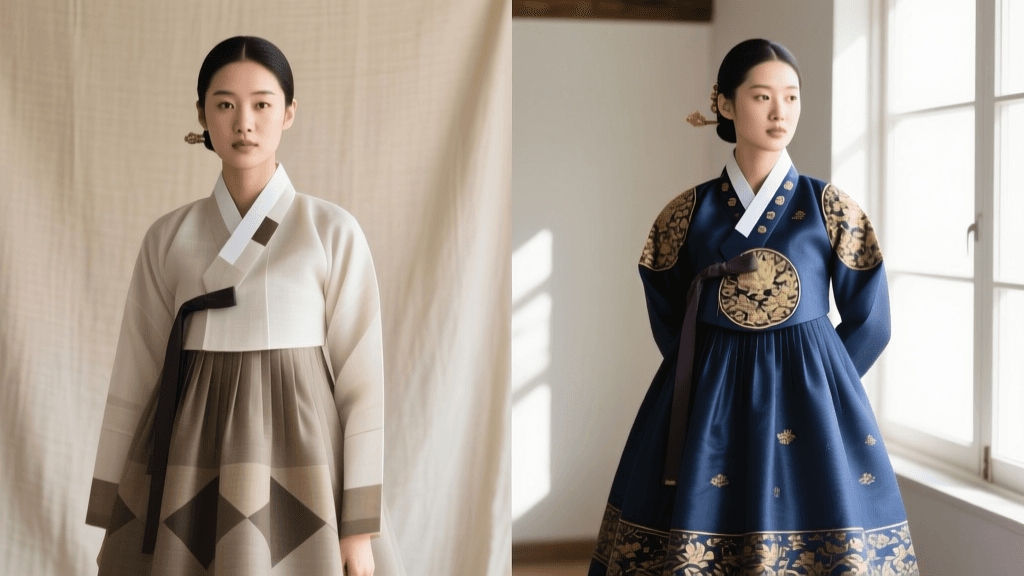
The term Saenghwal translates roughly to "daily life" or "livelihood." In the context of 2026 fashion, Saenghwal Hanbok refers to modernized, practical adaptations of traditional Korean clothing designed for frequent, casual wear. Conversely, Myeongjeol refers to traditional holidays and festive occasions (such as Chuseok, Seollal, or weddings). Myeongjeol Hanbok adheres much more strictly to historical silhouettes, utilizing luxurious, high-maintenance fabrics meant to convey status, respect, and cultural pride.
The official Korean Culture Portal notes that while the fundamental architecture of the jeogori (upper garment) and chima (wrap skirt) or baji (trousers) remains consistent across both types, the devil is in the details: the length of the sleeves, the volume of the skirt, the stiffness of the collar, and the integration of modern fasteners.
Saenghwal Hanbok: The 2026 Everyday Standard
Fabrics and Textile Innovation
In 2026, the Saenghwal market is dominated by eco-friendly, machine-washable textiles. Designers have moved away from the stiff polyesters of the early 2000s, favoring instead organic cotton-linen blends, Tencel, and lightweight bamboo-rayon mixes. These fabrics offer the drape and movement associated with traditional hanbok but provide the moisture-wicking and stretch properties required for navigating modern urban environments. A major trend this year is the use of naturally dyed fabrics utilizing upcycled agricultural byproducts, such as persimmon and onion skin, yielding beautiful, muted earth tones that align with contemporary minimalist aesthetics.
Silhouette and Construction
Practicality dictates the Saenghwal silhouette. The chima is typically cut to calf or ankle length, completely freeing the feet for sneakers or modern loafers. The waistband is often elasticized or fitted with discreet side-zippers, replacing the traditional, sometimes cumbersome, long ties (goreum). The jeogori is tailored closer to the body, with shortened sleeves that end at the wrist bone rather than extending past the hands. Hidden side-seam pockets are now a standard feature in 2026 Saenghwal designs, a necessary concession to the smartphone era.
Myeongjeol Hanbok: Preserving Ceremonial Grandeur
Luxurious Materials and Heritage Weaves
When it comes to Myeongjeol Hanbok, compromise is not an option. The 2026 ceremonial market celebrates heritage textiles. Myeongju (a premium, tightly woven silk) and Mosi (fine ramie) remain the gold standards. For winter holidays like Seollal, heavy silk brocades interwoven with metallic threads are highly sought after. These fabrics possess a structural stiffness that naturally holds the dramatic, bell-like volume of the traditional skirt without the need for excessive petticoats.
Traditional Architecture and Layering
Ceremonial hanbok demands a strict adherence to historical proportions. The chima is floor-length, designed to completely obscure the wearer's legs and feet, creating a gliding effect when walking. The jeogori features a crisp, detachable white collar called a dongjeong, which frames the face and signifies purity and formality. The ties (goreum) are long, wide, and meticulously knotted into a specific ceremonial bow. Furthermore, Myeongjeol attire often involves layering, such as adding a durumagi (traditional overcoat) or a magoja (vest) for outdoor winter ceremonies, which adds depth, color contrast, and immense visual weight to the ensemble.
2026 Head-to-Head Comparison Chart
To help you make informed purchasing or rental decisions this year, we have compiled a comprehensive comparison of the two categories based on current 2026 market data.
| Feature | Saenghwal (Everyday) | Myeongjeol (Ceremonial) |
|---|---|---|
| Primary Fabrics | Cotton, Linen, Tencel, Bamboo blends | Myeongju Silk, Ramie, Brocade |
| Skirt Length (Chima) | Midi to Calf-length | Floor-length, highly voluminous |
| Fasteners | Elastic waists, hidden zippers, snaps | Traditional long ties (Goreum) |
| Collar Style | Soft, integrated collars | Stiff, detachable white Dongjeong |
| Maintenance | Machine washable (gentle cycle) | Specialty dry-clean only |
| 2026 Avg. Cost (USD) | $85 - $250 | $450 - $1,800+ |
| Best Occasions | Cafe visits, office wear, casual travel | Weddings, Chuseok, Seollal, tea ceremonies |
Sourcing and Pricing in the 2026 Market
The hanbok industry in 2026 has adapted to global supply chain shifts by localizing much of its textile production. While mass-market Saenghwal pieces can still be imported, the most highly regarded brands—such as Leesle and Sonjjang Hanbok—continue to manufacture domestically in South Korea, ensuring strict quality control and supporting local artisans.
- Entry-Level Saenghwal: Priced between $85 and $130, these are typically cotton-poly blends found in boutique online stores. They are excellent for testing the waters of everyday traditional wear.
- Premium Saenghwal: Ranging from $150 to $250, these feature 100% organic linens, hand-finished details, and natural dyes. They are designed to last for years of frequent washing.
- Standard Myeongjeol: Starting around $450, these entry-level ceremonial pieces utilize high-grade synthetic silks that mimic the sheen of real silk while offering slightly more durability.
- Bespoke Ceremonial: For authentic silk brocades and hand-embroidered motifs, expect to pay upwards of $1,200 to $1,800. These are investment pieces, often passed down through generations, and require custom tailoring appointments in districts like Jongno-gu in Seoul.
Modern Styling Tips for 2026
One of the most exciting developments in 2026 is the styling of Saenghwal Hanbok as separates. You no longer need to wear the full ensemble to appreciate the garment. Fashion influencers and street-style icons are currently pairing a structured, linen jeogori with high-waisted, wide-leg denim trousers or tailored pleated skirts. This hybrid approach honors the traditional top while grounding it in contemporary Western silhouettes.
For Myeongjeol Hanbok, the styling remains largely traditional, but 2026 has seen a surge in the popularity of modernized norigae (traditional pendants). Instead of heavy, antique jade or metal, modern artisans are crafting norigae using lightweight, laser-cut acrylics and ethically sourced freshwater pearls, reducing the strain on the delicate silk ties while adding a modern geometric flair.
Care, Maintenance, and Storage
Proper care is vital to preserving the integrity of your garments, particularly given the investment required for ceremonial pieces.
Caring for Saenghwal (Everyday)
Most 2026 Saenghwal sets are designed for the modern washing machine. Always use a mesh laundry bag, wash on a delicate cycle with cold water, and use a pH-neutral detergent. Avoid the tumble dryer entirely; the heat will warp the elastic waistbands and shrink the linen blends. Instead, reshape the garments while damp and hang them to dry in a shaded, well-ventilated area to prevent the natural dyes from fading in direct sunlight.
Caring for Myeongjeol (Ceremonial)
Silk and ramie are highly sensitive to water and friction. Never attempt to wash a Myeongjeol hanbok at home. After wearing, gently brush off any surface dust with a soft-bristled garment brush and hang it in a breezy room for 24 hours to air out any odors before taking it to a specialty dry cleaner experienced with traditional Asian textiles. For long-term storage, wrap the hanbok in acid-free tissue paper and place it in a breathable cotton garment bag. Avoid plastic covers, which can trap moisture and cause the silk to yellow or develop mildew over time.
Conclusion
The dichotomy between Saenghwal and Myeongjeol hanbok in 2026 highlights a beautiful balance within Asian traditions: the ability to adapt and evolve for daily survival while fiercely protecting the sacred aesthetics of cultural milestones. Whether you are investing in a breezy, linen everyday set for your morning commute or commissioning a bespoke silk masterpiece for a family wedding, understanding these distinctions ensures you honor the rich history of the garment while fully participating in its vibrant, modern renaissance.