Everyday vs Ceremonial Hanbok: 2026 Wardrobe Guide
The 2026 Hanbok Renaissance: Bridging Past and Present
The landscape of Asian traditional garments has undergone a remarkable transformation over the last decade, culminating in the vibrant 2026 fashion landscape where heritage meets daily utility. At the forefront of this cultural renaissance is the Korean hanbok. No longer confined to museum archives or rare holiday appearances, the hanbok has bifurcated into two distinct but equally important categories: the Saenghwal Hanbok (everyday lifestyle hanbok) and the Myeongjeol Hanbok (traditional ceremonial hanbok). Understanding the nuances between these two styles is essential for anyone looking to integrate Asian traditional garments into a modern 2026 wardrobe.
According to cultural heritage experts at the National Museum of Korea, the preservation of traditional dress relies heavily on its continued evolution and daily use. In 2026, consumers are more educated than ever about textile origins, structural integrity, and the cultural significance of their garments. This guide will dissect the differences between everyday and ceremonial hanbok, providing actionable advice on styling, purchasing, and caring for these magnificent pieces.
Saenghwal Hanbok: The Everyday Essential
Saenghwal Hanbok, translating roughly to 'lifestyle hanbok,' represents the modernization of traditional Korean dress for daily wear. In 2026, the lifestyle hanbok market has exploded, driven by a demand for garments that honor Korean heritage while accommodating the fast-paced realities of modern urban life.
Design and Structural Modifications
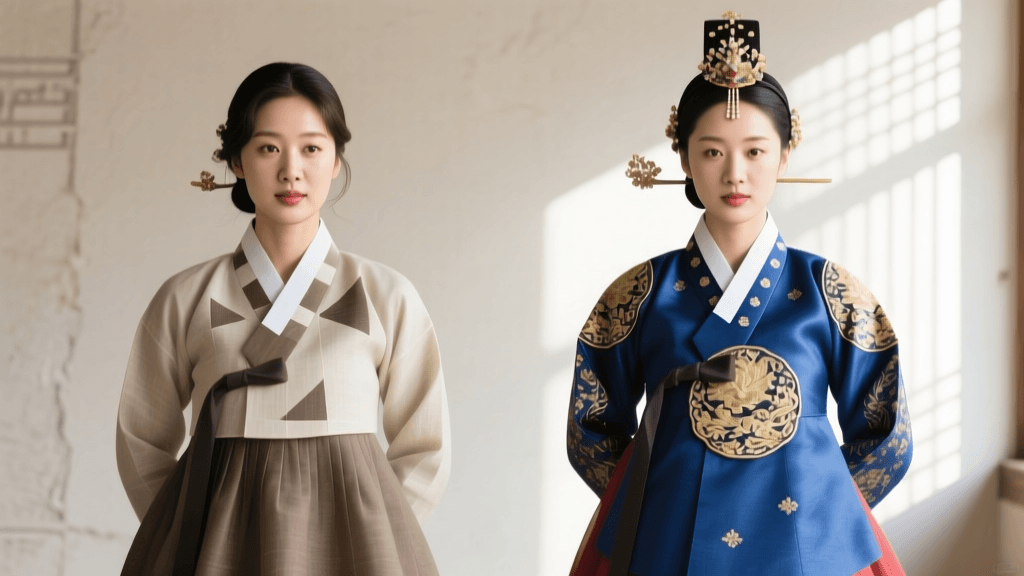
The most immediate difference in a Saenghwal Hanbok is the silhouette. The traditional jeogori (jacket) is often shortened further or tailored with modern darts to provide a closer fit without restricting movement. The chima (skirt) is typically cut to calf or ankle length, eliminating the tripping hazard of floor-sweeping ceremonial skirts. Furthermore, 2026 collections heavily feature hidden side pockets, adjustable waistbands with elastic or discreet hook-and-eye closures, and machine-washable constructions.
Fabric Innovations for 2026
While traditional hanbok relies on delicate silks, everyday hanbok utilizes advanced, durable textiles. Current 2026 trends favor:
- Washable Cupro and Modal Blends: Offering the drape and sheen of silk but with the durability of cotton.
- Organic Ramie and Hemp: Highly breathable, naturally antibacterial fabrics perfect for the humid East Asian summers.
- Recycled Poly-Silk: A sustainable innovation gaining massive traction in 2026, providing a cruelty-free, wrinkle-resistant alternative to raw silk.
Myeongjeol Hanbok: Preserving Ceremonial Grandeur
Myeongjeol Hanbok refers to the traditional, unadulterated garments worn during major life events, weddings, Seollal (Lunar New Year), and Chuseok (Korean Thanksgiving). This category prioritizes historical accuracy, luxurious materials, and complex layering over convenience.
The Architecture of Tradition
Ceremonial hanbok is defined by its voluminous silhouette, which is achieved not just by the outer garments, but by a complex system of undergarments. The sokchima (underskirt) and dan-ui (layered robes) create the iconic bell shape. The jeogori features longer, sweeping lines, and the goreum (front ties) are elongated and meticulously proportioned according to historical Joseon Dynasty standards.
Luxurious Materials and Motifs
The Korea Craft and Design Foundation frequently highlights the meticulous craftsmanship required for ceremonial wear. In 2026, authentic Myeongjeol Hanbok is still woven from Myeongju (premium raw silk) and Sambe (fine hand-woven hemp). These garments often feature geumbak (gold leaf stamping) or intricate embroidery depicting peonies for wealth, or cranes for longevity. The white dongjeong (removable paper collar) remains a strict requirement for formal ceremonial wear, providing a crisp, immaculate contrast to the vibrant silk.
Key Differences: 2026 Comparison Matrix
To help you decide which style suits your needs, here is a comprehensive comparison of the two categories based on current 2026 market standards.
| Feature | Saenghwal (Everyday) Hanbok | Myeongjeol (Ceremonial) Hanbok |
|---|---|---|
| Primary Occasion | Daily wear, office, casual outings, travel | Weddings, Seollal, Chuseok, formal tea ceremonies |
| Skirt Length | Calf to ankle-length | Floor-sweeping, voluminous |
| Fastenings | Elastic, hidden zippers, snap hooks | Traditional fabric ties (goreum) |
| Pockets | Integrated side or seam pockets | None (relies on separate pouches/jumeoni) |
| Care Instructions | Machine washable (gentle) or hand wash | Strictly professional dry clean only |
| 2026 Price Range | $80 - $280 USD | $450 - $2,500+ USD |
2026 Pricing and Where to Buy
Navigating the hanbok market in 2026 requires an understanding of pricing tiers and retail landscapes. The democratization of fashion technology has made purchasing authentic garments easier than ever for global buyers.
Everyday Hanbok Market
For Saenghwal Hanbok, prices generally range from $80 for basic cotton-blend sets to $280 for designer pieces featuring premium sustainable fabrics. Brands like Leesle and Tchai Kim continue to dominate the lifestyle sector, offering 2026 spring collections that blend minimalist modern aesthetics with traditional lines. These can be purchased directly through their global e-commerce portals, which now feature AI-assisted virtual fitting rooms to ensure perfect sizing for international customers.
Ceremonial Hanbok Market
Investing in a Myeongjeol Hanbok is a significant financial commitment. Entry-level ceremonial silk sets start around $450, while bespoke, hand-embroidered masterpieces from master artisans in Seoul's Bukchon Hanbok Village can easily exceed $2,500. When purchasing ceremonial wear, it is highly recommended to visit a boutique in person for custom measurements, as the drape of raw silk requires precise tailoring to the individual's posture and proportions.
Styling Your Hanbok in 2026
One of the most exciting aspects of the 2026 fashion scene is the fluid styling of traditional garments. You no longer need to wear a full, historically strict ensemble to appreciate the beauty of the hanbok.
Mixing Everyday Hanbok with Modern Pieces
The Saenghwal Hanbok is incredibly versatile. A modern styling technique popular in 2026 involves pairing a traditional, high-waisted chima with a contemporary, fitted turtleneck or a cropped denim jacket. Conversely, the jeogori can be worn as a cropped outer layer over a sleek, modern midi-dress. This mix-and-match approach not only makes the garment more wearable but also introduces traditional Asian textiles into everyday global street style.
Accessorizing the Ceremonial Look
When wearing a Myeongjeol Hanbok, accessories are non-negotiable. The norigae (a decorative pendant tied to the goreum or waist) is essential for adding verticality and elegance. In 2026, modern jewelers are creating norigae using ethically sourced jade and recycled gold, bridging the gap between ancient superstition and modern ethical consumerism. Footwear should also be considered; while traditional hwa (silk shoes) are worn for weddings, many opt for high-quality, embroidered leather flats for holiday gatherings to ensure comfort throughout the day.
Care and Maintenance: Protecting Your Investment
The longevity of your garment depends entirely on proper maintenance. The care divide between everyday and ceremonial hanbok is stark.
Caring for Saenghwal Hanbok
Most 2026 lifestyle hanboks are designed for ease. Wash cupro and cotton blends in cold water on a delicate cycle using a pH-neutral detergent. Never tumble dry; instead, reshape the garment while damp and hang it in the shade to prevent UV fading. Ramie and hemp fabrics actually soften and improve with regular washing, making them excellent long-term investments for summer wear.
Caring for Myeongjeol Hanbok
Ceremonial silks are highly sensitive to water and friction. Water spots can permanently ruin the finish of Myeongju. After wearing, gently brush off any dust with a soft-bristled garment brush and hang the pieces on wide, padded hangers in a breathable cotton garment bag. Include natural cedar blocks or dried mugwort to deter moths and keep the silk smelling fresh. Always seek a dry cleaner who specializes in traditional Asian garments, as standard chemical solvents can strip the natural sericin from raw silk, causing it to become brittle over time.
Conclusion
The dichotomy between the Saenghwal and Myeongjeol hanbok perfectly encapsulates the 2026 approach to Asian traditional garments: a deep reverence for historical accuracy paired with a pragmatic desire for daily integration. Whether you are investing in a breathable, pocket-lined lifestyle skirt for your morning commute or commissioning a hand-loomed silk ensemble for a milestone celebration, understanding these distinctions ensures you honor the culture while perfectly suiting your modern lifestyle. As traditional textiles continue to evolve, the hanbok remains a vibrant, living testament to the enduring elegance of Asian heritage.