2026 Hanfu Ji Li Ceremony Guide: Rites, Styles & Costs
The Resurgence of the Ji Li Ceremony in 2026
Over the past decade, the Hanfu movement has evolved from a niche internet subculture into a mainstream celebration of Chinese heritage. As we navigate through 2026, one of the most profound expressions of this cultural renaissance is the revival of the Ji Li (笄礼), the traditional coming-of-age ceremony for young women. Historically performed when a girl reached the age of fifteen, the modern iteration of the Ji Li is frequently adapted for high school graduations, university entrances, or significant 18th or 20th birthdays. According to extensive cultural reporting by BBC News on the Hanfu movement, younger generations are increasingly utilizing these garments not merely as fashion statements, but as vital conduits for connecting with ancestral rites of passage.
Planning a Ji Li ceremony in 2026 requires a delicate balance of historical accuracy, logistical preparation, and budget management. Whether you are a parent organizing a rite of passage for your daughter, or a university student coordinating a group ceremony with your cultural heritage society, this comprehensive guide details the ritual steps, garment selections, and current market costs required to execute a flawless and meaningful event.
Historical Context and Cultural Significance
The origins of the Ji Li are deeply rooted in the Book of Rites (Liji), which delineated the social and familial responsibilities that accompanied adulthood. In ancient times, the ceremony marked a transition from childhood innocence to a state of societal readiness, indicating that the young woman was now eligible for marriage and capable of managing a household. Today, the Ministry of Culture and Tourism of the People's Republic of China actively supports the preservation and modern adaptation of such intangible cultural practices, recognizing them as essential pillars of national identity and moral education.
In 2026, the focus of the Ji Li has shifted away from marital eligibility and toward personal empowerment, academic achievement, and the assumption of civic responsibility. The core philosophy remains intact: a formal, public acknowledgment of maturity, guided by the wisdom of elders.
Core Ritual Steps: The Three Additions (San Jia)
A traditional Ji Li is structured around the San Jia, or "Three Additions," where the initiate's garments and hairstyles are progressively upgraded to reflect her growing maturity. Understanding these steps is crucial for choreographing your 2026 ceremony.
1. The First Addition (Chu Jia)
The ceremony begins with the initiate wearing a simple, modest garment, typically a basic cross-collared shirt and skirt, with her hair styled in a simple child's braid or loose. The Guest of Honor (usually a respected female elder or teacher) washes her hands, approaches the initiate, and changes her hairstyle into a basic bun, securing it with a simple wooden or bone hairpin (ji). This step symbolizes the shedding of childhood and the cultivation of basic virtues and discipline.
2. The Second Addition (Er Jia)
The initiate retreats to a changing room and returns in a more formal, elegant outfit, such as a Song Dynasty Beizi (long jacket) paired with a pleated skirt. The Guest of Honor replaces the simple hairpin with an ornate hairpin, often crafted from jade, silver, or gold-plated brass. This stage represents the acquisition of knowledge, refinement, and the embrace of societal grace.
3. The Third Addition (San Jia)
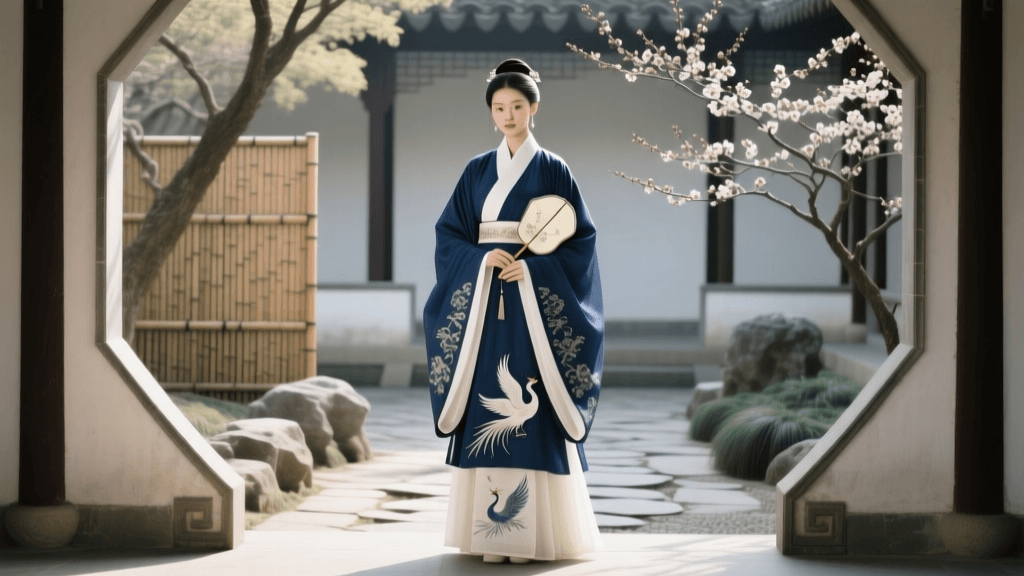
For the final and most grand addition, the initiate dons a full, formal ceremonial gown. In 2026, the Ming Dynasty Aoqun or a formal Mangao (python jacket) is highly favored for its regal silhouette and rich embroidery. The Guest of the initiate with a magnificent Zan (a large, decorative hairpin) and a Guan (crown or elaborate hairpiece). This final transformation signifies full adulthood, readiness to contribute to society, and the carrying forward of family and cultural honor.
Choosing the Right Hanfu: Style Comparison for 2026
Selecting the appropriate garments for the three stages is the most critical aesthetic decision. Below is a comparison of the most popular dynasty styles utilized in modern Ji Li ceremonies, complete with 2026 fabric recommendations and market pricing.
| Dynasty Style | Garment Type | Recommended 2026 Fabric | Est. Custom Price (USD) | Best Used For |
|---|---|---|---|---|
| Song Dynasty | Beizi & Baidiequn | Lightweight Mulberry Silk, Linen blends | $180 - $350 | First or Second Addition (Elegant, scholarly, understated) |
| Ming Dynasty | Pipa-sleeve Ao & Mamianqun | Heavy Brocade, Xiangyunsha (Gambiered Silk) | $400 - $900 | Third Addition (Regal, structured, highly formal) |
| Tang Dynasty | Qixiong Ruqun & Daxiushan | Gossamer Silk, Gold-threaded Organza | $250 - $500 | Alternative Second Addition (Opulent, romantic, flowing) |
2026 Fabric and Tailoring Recommendations
For the Third Addition, the Mamianqun (horse-face skirt) remains the undisputed favorite in 2026. When commissioning a custom Mamianqun, request a heavy jacquard brocade or authentic Xiangyunsha (gambiered Canton silk). Xiangyunsha is highly prized for its breathable yet structured drape, and its unique, slightly crackled texture adds immense historical weight to the garment. Ensure the tailor uses traditional hand-stitched hems and authentic metal-clasp closures rather than modern zippers, as the audible clinking of the metal clasps and the specific rustle of the silk are considered integral to the sensory experience of the rite.
Budgeting for a 2026 Ji Li Ceremony
Executing a formal Ji Li requires careful financial planning. While group ceremonies hosted by university Hanfu societies can be highly cost-effective, private family ceremonies require a more substantial budget. Below is a breakdown of estimated costs for a private, mid-tier ceremony in 2026.
- Attire (Three complete sets + accessories): $800 - $1,500 (Custom tailoring and authentic hairpins)
- Venue Rental (Traditional Courtyard or Garden): $300 - $800 (Half-day rental in cities like Suzhou, Hangzhou, or Beijing)
- Guest of Honor & Officiant Honorariums (Hongbao): $200 - $400 (Traditional red envelopes to show respect)
- Professional Photography & Videography: $400 - $900 (Specialists in traditional Chinese lighting and composition)
- Makeup, Hair Styling & Ritual Props: $250 - $500 (Includes specialized Hanfu makeup, incense, and ceremonial mats)
- Total Estimated Budget: $1,950 - $4,100
To reduce costs without sacrificing authenticity, many families in 2026 opt to rent the First and Second Addition garments from high-end Hanfu boutiques, investing their budget solely into a custom-tailored Third Addition gown that will be kept as a lifelong heirloom.
Logistics and Timeline: Planning Your Event
A successful Ji Li requires meticulous coordination. Begin your planning at least four to six months in advance. The first step is securing a knowledgeable Zan Li (assistant to the Guest of Honor) and an officiant who understands the specific cadence and classical Chinese phrasing required for the blessings. Many cultural heritage centers now offer certified ritual officiants who can guide the family through the proper recitation of the Zhu Ci (blessing words).
Venue selection is equally critical. The ceremony should ideally take place in a quiet, dignified setting. Traditional Siheyuan (courtyard homes), Confucian temples, or classical botanical gardens provide the necessary architectural backdrop. Ensure the venue allows for the burning of incense and the laying out of the traditional woven mats (xi) upon which the initiate will kneel during the hairpinning process.
Integrating Modern Milestones with Ancient Rites
One of the most beautiful aspects of the 2026 Hanfu revival is its adaptability. Many families now synchronize the Ji Li with modern academic milestones. For instance, performing the ceremony on the eve of a daughter's departure for university bridges the gap between ancient familial blessings and modern educational achievements. During the final blessing, the Guest of Honor can incorporate personalized advice regarding the initiate's specific field of study, seamlessly weaving contemporary aspirations into the ancient liturgy.
Ultimately, the Ji Li is more than a display of exquisite textiles; it is a profound psychological and spiritual threshold. By honoring the meticulous steps of the San Jia and investing in high-quality, historically grounded garments, participants in 2026 are ensuring that the elegance and wisdom of Asian traditions continue to empower the next generation.