Ceremonial vs Everyday Kimono and Hanbok: 2026 Guide
The Resurgence of Traditional Asian Garments in 2026
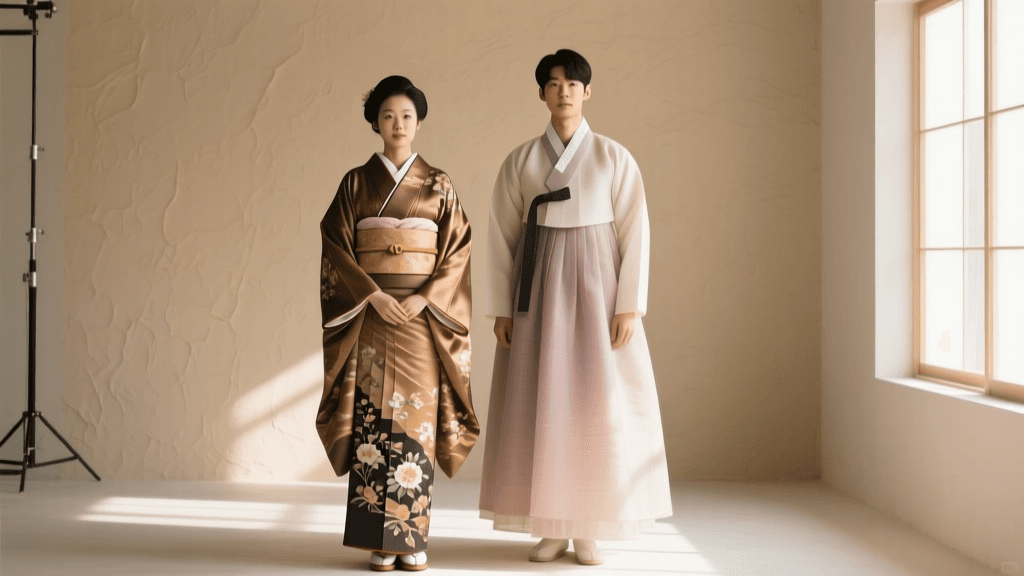
As we navigate the global fashion landscape of 2026, traditional Asian garments have experienced a remarkable renaissance. No longer confined strictly to historical reenactments or rare family milestones, pieces like the Japanese kimono and the Korean hanbok are being integrated into modern wardrobes with unprecedented enthusiasm. However, for both seasoned collectors and newcomers, distinguishing between ceremonial and everyday iterations of these garments remains a common challenge. The structural, textile, and styling differences are profound, dictating not only the appropriate occasion but also the garment's price point, care requirements, and overall silhouette.
Understanding the dichotomy between daily wear and formal ceremonial attire is essential for anyone looking to invest in authentic Asian traditions. According to Britannica's comprehensive guide to the kimono, the evolution of these garments has always been deeply tied to social stratification, seasonal changes, and the specific nature of the event being attended. Today, while the rigid social hierarchies of the past have softened, the sartorial rules regarding formality remain deeply respected in East Asian cultures. This guide breaks down the critical differences between everyday and ceremonial kimono and hanbok, providing actionable insights, 2026 market pricing, and styling advice for the modern wearer.
The Japanese Kimono: From Yukata to Furisode
The Japanese kimono system is arguably the most codified traditional dress system in the world. The distinction between casual and formal wear is determined by fabric type, pattern placement, sleeve length, and the accompanying accessories.
Everyday Wear: Yukata and Komon
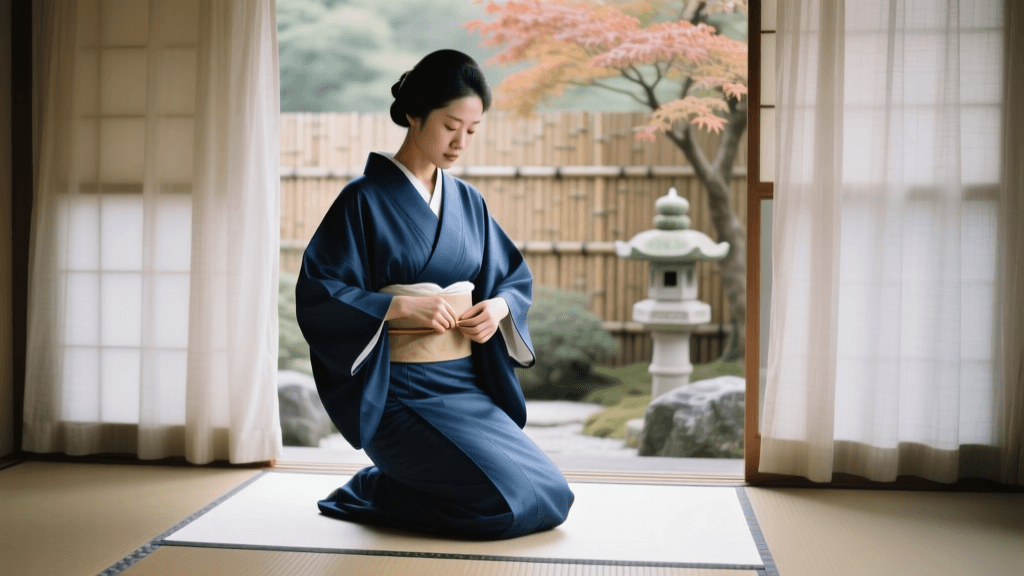
For everyday wear, casual outings, and summer festivals, the Yukata and Komon are the standard choices. The Yukata is an unlined, lightweight garment traditionally made from cotton or modern breathable hemp-blends. In 2026, sustainable organic cotton yukata are highly sought after, featuring contemporary geometric prints alongside traditional floral motifs. Because it is unlined and worn directly over basic undergarments (hadajuban), it is relatively easy to wash and maintain.
The Komon is a step up in formality but remains an everyday, casual silk or high-quality polyester kimono. It is characterized by a small, repeating pattern that covers the entire garment. Komon are perfect for casual dining, theater visits, or daytime strolls. They are lined and require a more structured under-kimono (nagajuban) to protect the delicate outer fabric from body oils.
Ceremonial Wear: Furisode and Kurotomesode
Ceremonial kimono represent the pinnacle of Japanese textile artistry. The Furisode is the most formal kimono for unmarried women, instantly recognizable by its dramatically long, swinging sleeves (ranging from 85cm to 114cm in length). Worn primarily for Coming of Age Day (Seijin Shiki) and weddings, a 2026 bespoke Furisode features elaborate, hand-painted yuzen dyeing and heavy gold-leaf embroidery. As noted by The Metropolitan Museum of Art's Heilbrunn Timeline, the creation of such formal garments requires multiple master artisans, a tradition that continues to drive the premium pricing of these pieces today.
For married women, the Kurotomesode (black formal kimono) is the highest level of ceremonial wear. It features a solid black background with elaborate patterns restricted only to the lower half of the garment below the waist, and it bears five family crests (kamon). These garments are heavy, fully lined, and worn with a stiff, ornate Maru or Fukuro obi belt that requires professional tying.
The Korean Hanbok: Saenghwal vs. Hwalot
The Korean hanbok is celebrated for its elegant, flowing lines and vibrant color contrasts. Like the kimono, it has distinct categories for daily life and grand ceremonies, though the modern hanbok movement has significantly blurred these lines for practical daily use.
Everyday Wear: The Saenghwal Hanbok Revolution
The Saenghwal Hanbok (everyday living hanbok) has completely transformed how Koreans interact with their national dress. Designed for the fast-paced lifestyle of 2026, the Saenghwal hanbok modifies the traditional silhouette for comfort and ease of movement. The voluminous chima (skirt) is shortened to calf or ankle length and often features practical side pockets. The jeogori (jacket) is simplified, sometimes utilizing hidden snaps or zippers instead of the traditional long goreum (ribbon ties).
Fabrics for everyday hanbok heavily feature machine-washable cotton, linen, and modern Tencel blends. These garments are designed to be thrown into a washing machine and worn to the office, a cafe, or a casual weekend market. The color palettes tend to be muted, earthy tones or soft pastels, moving away from the high-contrast primary colors of historical court dress.
Ceremonial Wear: Hwalot and Dangui
When it comes to weddings, ancestral rites (Jesa), and major national holidays, traditional ceremonial hanbok is required. The Hwalot is the grand bridal robe, characterized by its wide sleeves, vibrant red and blue silk construction, and intricate embroidery of peonies, butterflies, and lotus flowers symbolizing prosperity and fidelity. It is worn over multiple layers of under-skirts to achieve a bell-like silhouette.
Another formal option is the Dangui, a long, formal jacket worn by both men and women for court ceremonies and major family rituals. According to historical overviews of the hanbok, the Dangui's length and side slits were specifically designed to convey dignity and grace during formal processions. In 2026, renting a fully embroidered Hwalot or Dangui for a traditional wedding (Pyebaek) is the most common route, as purchasing a bespoke, hand-embroidered silk set is a massive financial investment.
Garment Comparison Chart: 2026 Market Guide
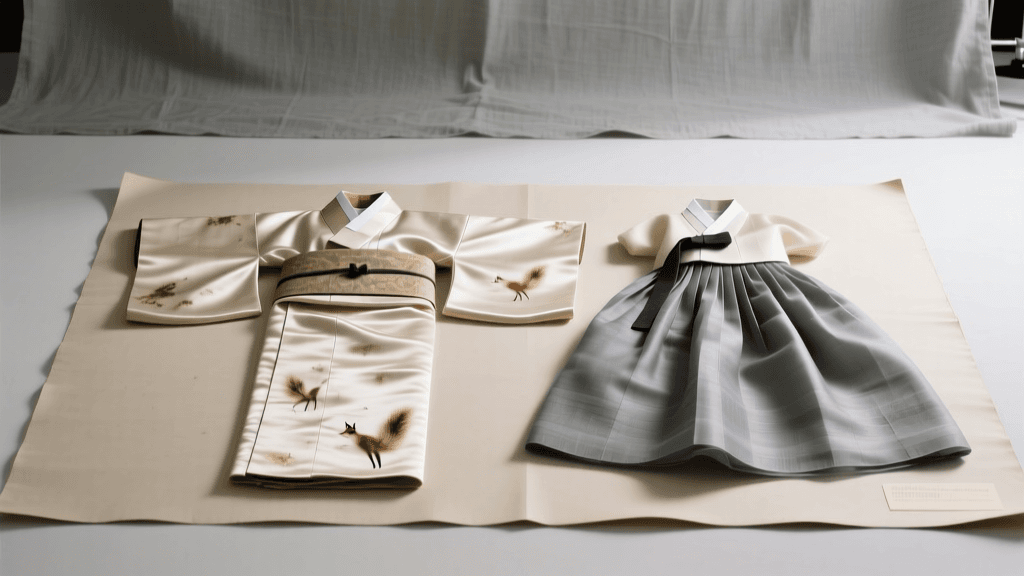
To help you budget and plan your traditional wardrobe, here is a detailed comparison of everyday versus ceremonial garments across both cultures, reflecting average retail and rental market prices in 2026.
| Garment Type | Category | Primary Fabric | Lining | Est. 2026 Cost (USD) | Primary Occasion |
|---|---|---|---|---|---|
| Yukata | Everyday (JP) | Cotton / Hemp | Unlined | $45 - $120 | Summer festivals, casual wear |
| Komon | Everyday (JP) | Silk / Poly-blend | Lined | $150 - $450 | Daytime events, casual dining |
| Furisode | Ceremonial (JP) | Heavy Silk | Lined | $1,500 - $4,000+ | Coming of Age, formal weddings |
| Kurotomesode | Ceremonial (JP) | Black Silk | Lined | $1,200 - $3,500 | Weddings (married female guests) |
| Saenghwal Hanbok | Everyday (KR) | Cotton / Linen | Unlined | $60 - $180 | Daily wear, office, casual outings |
| Dangui | Ceremonial (KR) | Silk / Brocade | Lined | $300 - $800 | Holidays, formal family rites |
| Hwalot | Ceremonial (KR) | Embroidered Silk | Lined | $900 - $3,000+ | Traditional bridal wear (Pyebaek) |
Styling, Accessories, and Footwear
The garment is only half the equation; styling dictates the final formality. For an everyday Yukata in 2026, footwear consists of bare feet in wooden Geta (clogs) or modern, cushioned synthetic sandals. The hair is typically styled in a simple, relaxed updo secured with a single floral kanzashi (hairpin). The obi belt is tied in a simple bunko musubi (bow knot) at the back, which the wearer can easily tie themselves.
Conversely, ceremonial kimono styling requires professional assistance. A Furisode is paired with formal Zori sandals featuring brocade straps, worn with white split-toe tabi socks. The hair is elaborately styled by a professional, adorned with multiple tortoiseshell or silk kanzashi. The heavy Fukuro obi is tied in complex, sculptural knots like the fukura suzume, requiring the use of stiff padding and specialized tying cords (obijime).
For the Korean hanbok, everyday Saenghwal styles are paired with modern footwear—everything from white sneakers to minimalist leather loafers are acceptable and trendy in 2026. Hair is left down or tied in a simple low bun. Ceremonial hanbok, however, demands traditional Hwa (embroidered leather shoes or silk slippers). Women wearing a Hwalot will often wear a traditional jokduri (coronet) or a long, ornate daenggi (ribbon) braided into their hair, alongside a jade or coral binyeo (hairpin) to secure the updo.
Care and Maintenance for Modern Wardrobes
Maintaining these garments requires an understanding of their construction. Everyday Yukata and Saenghwal Hanbok are designed for modern convenience. Most 2026 iterations of these everyday garments are pre-shrunk and can be machine washed on a gentle, cold cycle using a mesh laundry bag, then air-dried in the shade to prevent UV fading.
Ceremonial garments, however, demand strict, traditional care. Silk Kimono and Hwalot must never be washed with water. They require professional dry cleaning by specialists who understand how to handle delicate metallic threads and hand-painted dyes. In Japan, the process of shitate involves completely taking the kimono apart at the seams, washing the individual flat panels of fabric, stretching them on bamboo frames, and re-sewing them. While expensive (often $150 to $300 USD per cleaning), this ensures the garment lasts for generations. For storage, ceremonial garments should be folded along their original seam lines using acid-free tissue paper and stored in breathable cotton covers (tatoushi) inside a wooden chest, accompanied by natural camphor or cedar blocks to deter pests.
Conclusion
Whether you are slipping into a breezy cotton Yukata for a summer evening stroll or investing in a heavily embroidered Hwalot for a wedding, understanding the boundaries between everyday and ceremonial wear is crucial. The year 2026 offers unparalleled access to both authentic, artisan-crafted ceremonial pieces and highly practical, modernized everyday garments. By respecting the traditional rules of formality while embracing modern textile innovations, you can seamlessly integrate the profound beauty of Asian traditions into your contemporary life.