Everyday Kimono & Washable Silk Haori Guide for 2026
The 2026 Renaissance of Japanese Traditional Garments
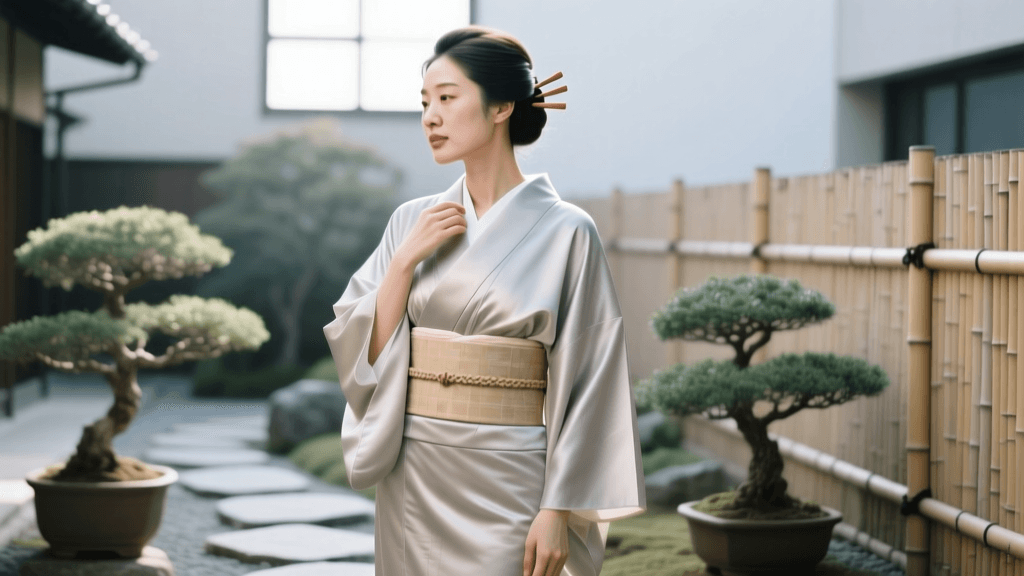
Welcome to 2026, a year where the boundaries between traditional Japanese garments and contemporary global fashion have never been more fluid. The modern wardrobe is increasingly defined by a desire for sustainability, artisanal craftsmanship, and versatile layering. At the forefront of this movement is the revival of the kimono and the haori, transitioning from strictly ceremonial wear into dynamic, everyday fashion statements. Today's garment enthusiasts are no longer bound by the rigid kitsuke (dressing rules) of the past. Instead, they are embracing washable silks, innovative textile blends, and relaxed styling techniques that honor Japanese heritage while fitting seamlessly into modern, fast-paced lifestyles.
According to the Metropolitan Museum of Art, the kimono's foundational T-shaped structure has remained remarkably consistent for centuries, yet its surface design, textile technology, and cultural application have continually evolved to reflect the zeitgeist of the era. In 2026, the zeitgeist is undeniably eco-conscious and highly individualized.
Core Garment Types: Kimono vs. Haori
Understanding the distinction between the primary garments is essential for building a versatile Japanese-inspired wardrobe. While both share similar construction origins, their functions in a modern context differ significantly.
- The Kimono: The quintessential full-length, T-shaped robe. In 2026, everyday kimonos are often made from lighter, more forgiving fabrics like cotton-linen blends or advanced washable silks, allowing them to be worn as wrap dresses or lightweight outer layers during the summer months.
- The Haori: A shorter, hip-to-thigh-length jacket worn open over a kimono or modern clothing. The haori has become the ultimate transitional piece in 2026 streetwear, frequently layered over turtlenecks, denim, and tailored trousers.
- The Yukata: A casual, unlined summer garment traditionally made of cotton. While still popular for festivals, modern yukata textiles now feature moisture-wicking properties and digital-printed yuzen patterns that mimic high-end silk.
2026 Garment Comparison Chart
| Feature | Traditional Silk Kimono | Washable Silk Kimono | Modern Haori |
|---|---|---|---|
| Primary Use | Ceremonial, Tea Ceremony, Formal Events | Daily Wear, Travel, Casual Outings | Outerwear, Layering, Streetwear |
| 2026 Avg Price | ¥150,000 - ¥500,000+ | ¥35,000 - ¥80,000 | ¥20,000 - ¥60,000 |
| Fabric Care | Professional Dry Clean Only | Machine Washable (Cold, Delicate) | Spot Clean / Hand Wash |
| Styling Vibe | Formal, Structured, Traditional | Relaxed, Versatile, Approachable | Casual, Edgy, Contemporary |
The Rise of Washable Silk and Sustainable Textiles
The most significant breakthrough in Japanese traditional garments over the last few years is the perfection of washable silk. Historically, the fear of ruining delicate chirimen (crepe silk) or shrinking a hand-painted garment kept the kimono locked in the closet. In 2026, proprietary protein-fiber treatments and advanced weaving tensions allow real, 100% mulberry silk to be submerged in water and gently agitated without losing its structural integrity or its signature shibo (surface texture).
Furthermore, the industry has seen a massive shift toward sustainable alternatives. Recycled PET fibers are now being spun and woven in the Tango region to mimic the slubby, organic texture of traditional tsumugi (pongee silk). These eco-friendly textiles offer the exact same drape and thermal regulation as their historical counterparts but come with a fraction of the environmental footprint and a highly accessible price point.
The Victoria and Albert Museum notes that the kimono has always been a highly adaptable garment, absorbing foreign influences and new technologies. The integration of bio-based dyes and waterless digital printing in 2026 is simply the latest chapter in this ongoing evolution, allowing for hyper-detailed, custom patterns without the toxic runoff associated with 20th-century chemical dyeing processes.
Essential Accessories for the Modern Wardrobe
You cannot successfully style Japanese garments without understanding the accessories that hold them together. The modern 2026 wardrobe favors minimalism, often swapping out highly formal accessories for practical, everyday alternatives.
- Hanhaba Obi: A half-width sash that does not require the complex folding of a formal fukuro obi. In 2026, reversible hanhaba obi featuring geometric, modernist prints are incredibly popular for adding a pop of color to a neutral kimono.
- Obijime and Obidome: The decorative cord and clasp that secure the obi. Contemporary artisans are currently crafting obidome from upcycled glass, 3D-printed biodegradable resins, and carved sustainable woods.
- Koshihimo: The long, thin ties used to secure the garment to the body before the obi is applied. Silicone-grip koshihimo have become the standard in 2026, preventing the garment from slipping throughout the day without the need to tie uncomfortably tight knots.
- Modern Tabi: Split-toe socks. While traditional white cotton tabi remain essential for formal wear, 2026 has introduced stretch-knit, sneaker-compatible tabi in bold colors and patterns, designed specifically to be worn with modern footwear.
Step-by-Step: Styling a Casual Haori Over Modern Clothing
The haori is the most accessible entry point into Japanese traditional garments. Here is how to style a mid-weight silk haori over a contemporary outfit for a sophisticated 2026 urban look:
- The Base Layer: Start with a well-fitted, monochromatic base. A black turtleneck paired with tailored, wide-leg charcoal trousers provides a sleek canvas that allows the haori's pattern to stand out.
- Draping the Haori: Slip your arms through the sode (sleeves). Unlike a kimono, the haori is left entirely open at the front. The natural drape of the T-shaped sleeves will create an architectural silhouette.
- Securing the Front (Optional): While traditionally left open, you can use a delicate chain or a leather cord to tie the two front panels together loosely at the chest, mimicking the function of a haori-himo but with a modern, industrial edge.
- Footwear: Avoid traditional zori sandals for this look. Instead, opt for sleek leather loafers or minimalist split-toe sneakers to bridge the gap between heritage and modern streetwear.
Care and Maintenance of Washable Silks
Even with 2026's advanced textile treatments, washable silk requires mindful care to maintain its luster and longevity. Always use a pH-neutral, enzyme-free detergent specifically formulated for protein fibers. Place the garment in a fine mesh laundry bag and select the 'delicate' or 'hand wash' cycle with cold water. Never use a tumble dryer. Instead, gently press out excess water by rolling the garment in a clean, dry towel, and then lay it flat on a drying rack away from direct sunlight. Once dry, a quick pass with a handheld steamer will remove any wrinkles and restore the silk's natural sheen.
Sourcing Authentic and Modern Pieces
As highlighted by the Smithsonian National Museum of Asian Art, the surface design and material culture of the kimono carry deep historical significance. When sourcing pieces in 2026, look for brands that provide transparency regarding their weavers and dyers. Kyoto's Muromachi district remains the epicenter for high-end, contemporary kimono boutiques that specialize in washable silks and custom-dyed haori. For those outside of Japan, numerous verified online collectives now ship directly from artisanal workshops in regions like Nishijin and Yuki, offering authenticated, sustainably produced garments that support local weaving communities. Always request a certificate of textile origin to ensure you are purchasing genuine, ethically produced Japanese garments rather than mass-produced imitations.