Everyday Hanbok 2026: Styling the Modern Jeogori with Streetwear
The Newtro Renaissance: Heritage Meets the Streets
The global fashion landscape in 2026 is defined by a profound respect for cultural heritage, seamlessly interwoven with the relentless, utilitarian pace of modern streetwear. At the forefront of this cultural renaissance is the "Newtro" movement, a stylistic philosophy that refuses to relegate traditional garments to museum archives or ceremonial occasions. Instead, it demands that heritage pieces live, breathe, and evolve on the pavement. Nowhere is this more evident than in the explosive global adoption of the hanbok, specifically the saenghwal hanbok (everyday hanbok), which has transitioned from a niche domestic trend into a global streetwear staple.
For contemporary wardrobes, the challenge is no longer about wearing traditional Asian garments in isolation. The true art of 2026 fashion lies in the hybridization of silhouettes—mixing the structured, historical elegance of Korean heritage wear with the oversized, technical, and relaxed fits of modern street culture. According to market analyses tracked by the Business of Fashion, the integration of regional heritage garments into daily luxury and independent streetwear markets has seen unprecedented growth this year, driven by a consumer base that values storytelling, sustainability, and cross-cultural fluency.
The Anatomy of the 2026 Modern Jeogori
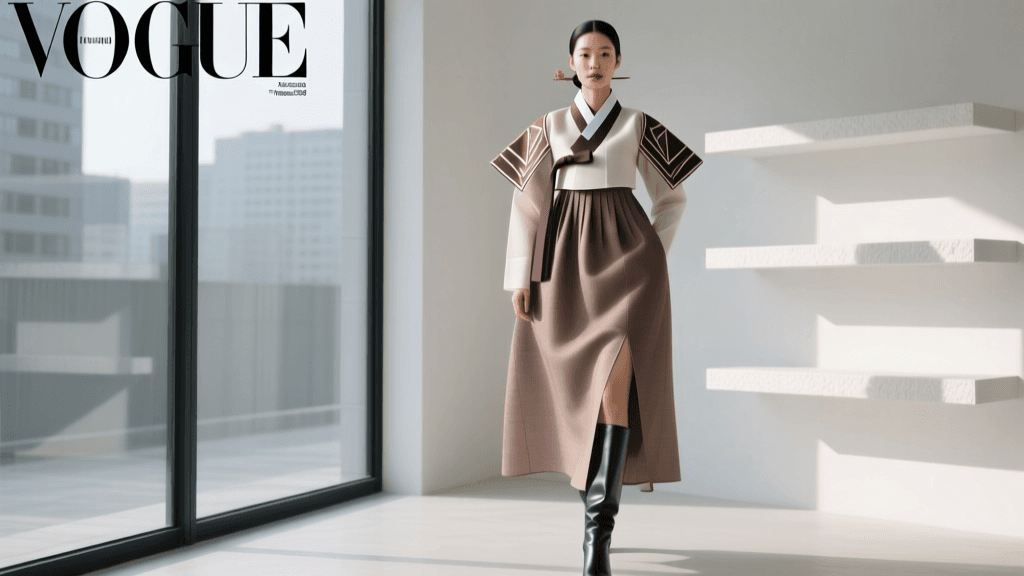
The jeogori, traditionally the upper garment of the hanbok ensemble, has undergone a radical transformation to accommodate the demands of the modern urbanite. While the traditional jeogori is characterized by its short length, curved sleeves (baerae), and the intricate goreum (chest tie), the 2026 streetwear-adapted versions prioritize mobility, layering, and climate adaptability.
Structural Shifts
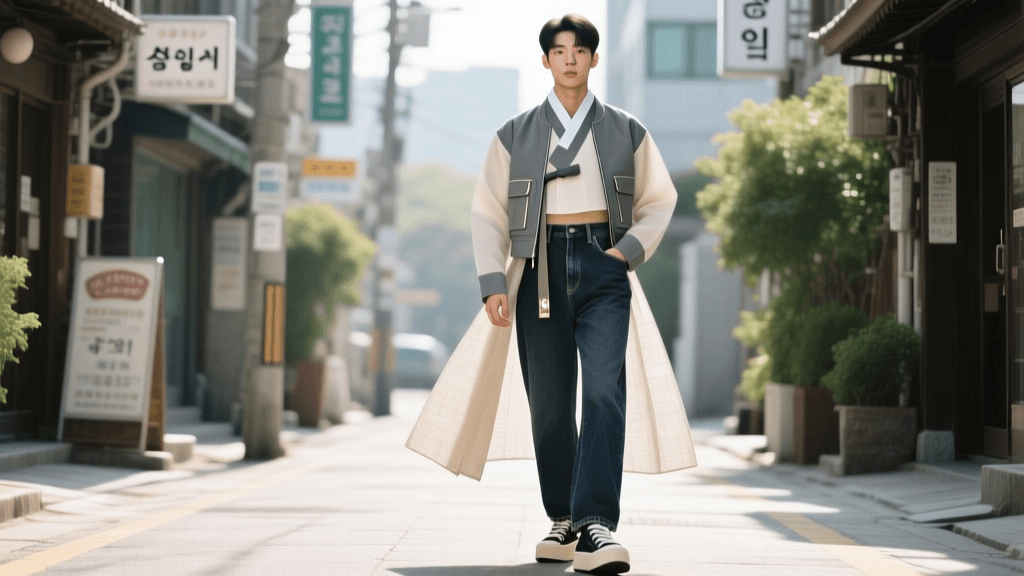
Contemporary designers have re-engineered the jeogori's silhouette to sit naturally alongside oversized hoodies and wide-leg trousers. The most prominent modification is the introduction of dropped shoulders and extended sleeve cuffs, allowing the garment to be layered over heavy knitwear or under technical shell jackets. Furthermore, the traditional fabric ties have largely been replaced by hidden magnetic clasps, snap fasteners, and asymmetrical zipper closures, maintaining the visual illusion of the overlapping git (collar) while providing the quick-fastening utility demanded by streetwear enthusiasts.
Textile Innovations
Initiatives supported by the Korean Culture and Information Service have heavily promoted the modernization of traditional textiles. In 2026, you will rarely find delicate, high-maintenance silks used for everyday streetwear jeogori. Instead, the market is dominated by sustainable ramie-cotton blends, washed linen, and even recycled Gore-Tex. These fabrics offer the structural stiffness required to hold the jeogori's architectural collar while providing the durability needed for daily commuting and unpredictable weather.
Three Definitive Streetwear Formulas for 2026
Integrating a jeogori into a modern wardrobe requires a keen eye for proportion and texture. Here are three highly actionable styling formulas that dominate the streets of Seoul, Tokyo, and New York this year.
Formula 1: The Techwear Sentinel
This look merges the historical silhouette of the jeogori with the hyper-functional aesthetic of modern techwear. Start with a cropped, water-resistant nylon jeogori in a muted, utilitarian shade like slate grey or olive drab. The cropped hem of the jeogori naturally acts as a waist-cincher, which pairs perfectly with high-waisted, multi-pocket tactical cargo pants. Finish the look with chunky trail-running sneakers and a crossbody modular chest rig. The contrast between the curved, elegant collar of the jeogori and the harsh, angular lines of the cargo pockets creates a striking, futuristic silhouette.
Formula 2: Elevated Archival Workwear
For a more grounded, mature aesthetic, lean into the textures of archival workwear. Select a heavyweight, washed-linen jeogori in an earthy tone such as ochre, indigo, or rust. Layer this over a simple, high-neck ribbed tank top. For the lower half, opt for wide-leg, raw selvedge denim with a pronounced cuff. The stiffness of the raw denim mirrors the structural integrity of the linen jeogori. Ground the outfit with chunky, polished leather derby shoes or heavy-duty engineer boots. This formula is perfect for creative workspaces, gallery openings, or upscale casual evenings.
Formula 3: Neo-Grunge Layering
The grunge revival of 2026 relies heavily on distressed textures and deliberate asymmetry. Take a slightly oversized, distressed mohair or wool-blend cardigan and wear it unbuttoned. Over the cardigan, layer a slim-fit, silk-blend jeogori in a deep jewel tone like emerald or burgundy. Allow the collar of the jeogori to pop out sharply against the slouchy knitwear. Pair this top-heavy, textured look with relaxed-fit, faded black denim and scuffed combat boots. The delicate sheen of the jeogori fabric cuts through the matte, fuzzy textures of the grunge knitwear, creating a masterclass in mixed-media styling.
Fabric and Color Pairing Matrix
When mixing traditional Asian garments with contemporary streetwear, understanding how fabrics interact visually and physically is crucial. Use the following matrix to guide your styling choices in 2026.
| Traditional Fabric (Jeogori) | Modern Streetwear Counterpart | Visual Effect & Best Use Case |
|---|---|---|
| Washed Ramie / Linen | Raw Selvedge Denim | High contrast in texture; excellent for structured, breathable summer workwear. |
| Recycled Nylon / Gore-Tex | Ripstop Cargo Pants | Unified technical aesthetic; ideal for rainy climates and utilitarian techwear. |
| Silk-Cotton Blend | Faded Distressed Denim | Juxtaposition of luxury and grit; perfect for evening grunge or high-low street style. |
| Heavyweight Quilted Cotton | Wide-Leg Corduroy | Warm, textural harmony; the ultimate choice for autumn/winter layering. |
Accessorizing the Heritage Streetwear Look
Accessories serve as the bridge between the historical and the modern. In 2026, the norigae—a traditional decorative tassel typically tied to the hanbok's chest tie or waist—has been reimagined as a modular accessory for streetwear. Designers are now producing oversized, industrial-grade norigae made from paracord, climbing rope, and anodized aluminum beads. These are frequently clipped onto the belt loops of cargo pants or attached to the zippers of oversized bomber jackets, providing a kinetic, swinging element to the outfit that honors the original purpose of the norigae while fitting seamlessly into a streetwear context.
Footwear is equally critical. While traditional kkotsin (leather shoes) are beautiful, they lack the support for urban environments. The 2026 solution is the "Neo-Kkotsin," a hybrid sneaker featuring the curved, upturned toe profile of the traditional shoe, built upon a thick, cushioned EVA foam midsole. Alternatively, many streetwear purists simply pair their jeogori with classic, chunky skate shoes, allowing the stark contrast between the historical upper garment and the distinctly modern footwear to make the stylistic statement.
Care and Maintenance for Mixed-Media Garments
Mixing heritage pieces with everyday streetwear also means adapting your garment care routine. Modern jeogori designed for streetwear are generally more forgiving than their ceremonial counterparts, but they still require specific attention to maintain their architectural collars and unique fabric blends.
- Washing: Always turn ramie or linen-blend jeogori inside out and wash on a cold, delicate cycle. Avoid harsh detergents that can strip the natural fibers of their structural stiffness.
- Drying: Never tumble dry a modern jeogori. The heat can warp the hidden magnetic clasps and melt the interfacing used to keep the collar standing upright. Air dry flat to maintain the dropped-shoulder silhouette.
- Ironing: Use a steamer rather than a direct-heat iron. If you must press the fabric, use a pressing cloth over the git (collar) to prevent unwanted shine on silk-blends or scorch marks on synthetic tech-fabrics.
- Storage: Hang your jeogori on wide, padded hangers. Wire hangers will distort the modern dropped-shoulder seams and ruin the drape of the garment.
Embracing Cultural Fluidity
The integration of the hanbok into the global streetwear lexicon is not merely a passing trend; it is a profound shift in how we interact with cultural heritage. By styling the modern jeogori with contemporary streetwear in 2026, we are actively participating in the preservation and evolution of Asian traditions. We prove that traditional garments do not need to be frozen in time to be respected. Instead, when paired with the raw, expressive energy of streetwear, the jeogori finds a new, vibrant life on the streets of the modern world, proving that true style is bound by neither era nor geography.