Everyday vs Ceremonial Kimono and Hanbok Guide 2026
The Resurgence of Traditional Garments in 2026
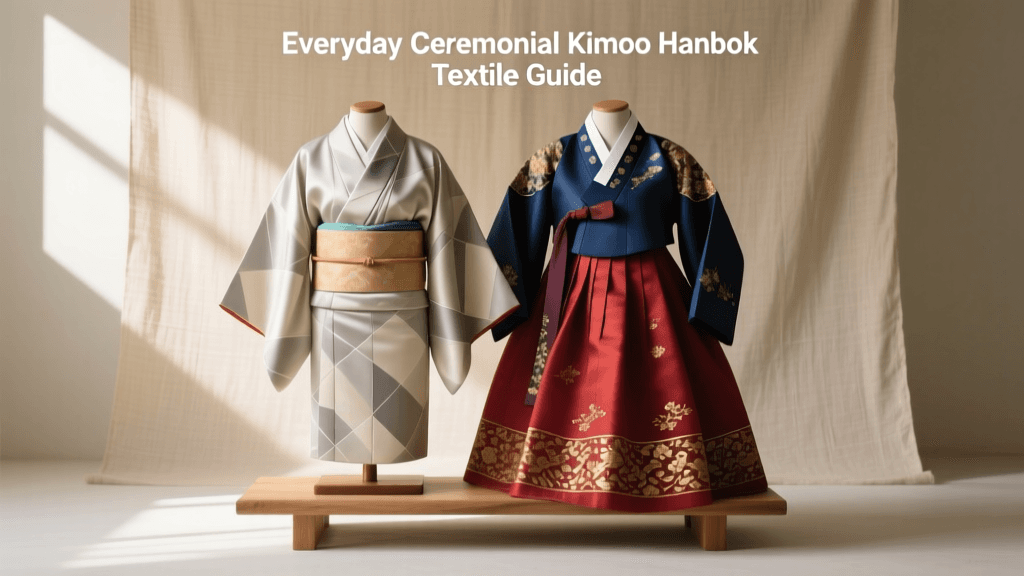
The landscape of Asian traditional fashion has undergone a remarkable transformation as we navigate through 2026. No longer confined strictly to museum archives or once-in-a-lifetime wedding ceremonies, garments like the Japanese kimono and Korean hanbok are experiencing a vibrant dual existence. Today's consumers are increasingly drawing a deliberate line between ceremonial wear—heavily structured, historically accurate, and meticulously crafted—and everyday wear, which prioritizes comfort, modern textiles, and ease of movement. Understanding the nuances between these two categories is essential for anyone looking to invest in, style, or appreciate East Asian traditional garments in the modern era.
This comprehensive guide breaks down the critical differences between ceremonial and everyday kimono and hanbok, exploring the textiles, construction techniques, styling rules, and 2026 market pricing that define each category. Whether you are preparing for a formal tea ceremony or simply want to incorporate traditional silhouettes into your daily commute, recognizing these distinctions will elevate your sartorial choices.
The Japanese Kimono: From Furisode to Komon
Ceremonial Kimono: Furisode and Tomesode
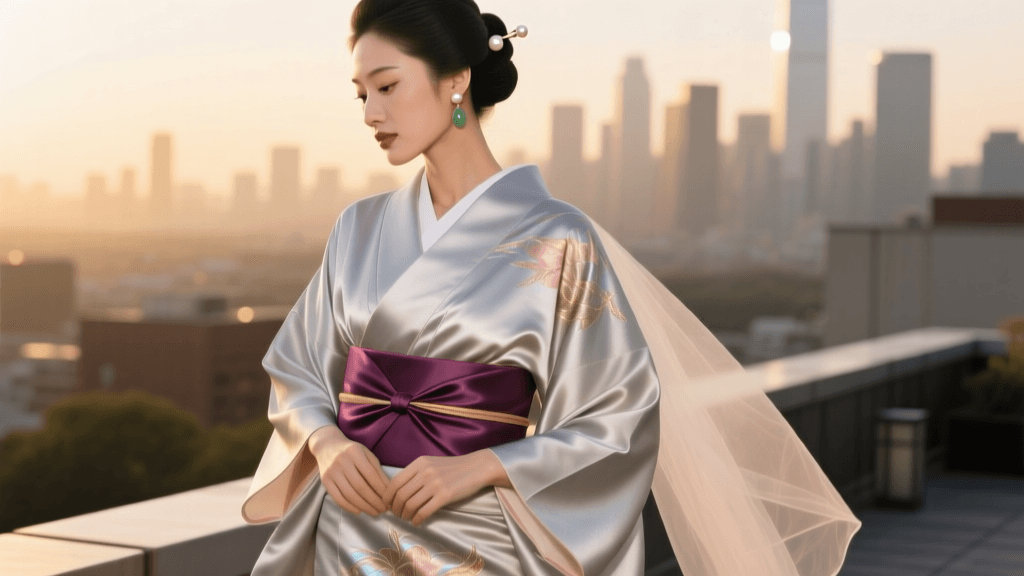
When discussing ceremonial Japanese garments, the Furisode and Tomesode remain the undisputed pinnacles of formal dress. According to the Metropolitan Museum of Art, the structural integrity and symbolic motifs of these garments are deeply rooted in historical precedence, utilizing heavy, multi-layered silk weaves. The Furisode, characterized by its dramatically long, swinging sleeves, is the standard for unmarried women attending coming-of-age ceremonies or formal weddings. In 2026, a bespoke, hand-dyed Yuzen silk Furisode commands a premium, often ranging from $4,500 to over $15,000, reflecting the hundreds of hours of artisanal labor required for its creation.
Ceremonial kimono demand strict adherence to kitsuke (the art of dressing). The silhouette is heavily padded to create a uniform, cylindrical shape, and the obi (sash) is tied in elaborate, sculptural knots like the fukura-suzume. The weight of the garment and the complexity of the tying process mean that ceremonial kimono are typically worn for only a few hours and require professional assistance to put on.
Everyday Kimono: Komon, Tsumugi, and Yukata
Conversely, the everyday kimono market in 2026 is defined by accessibility, comfort, and a deliberate departure from rigid kitsuke rules. The Komon (a kimono with a repeating, all-over pattern) and modern Oshima Tsumugi (a slubbed, breathable silk) are the workhorses of daily traditional wear. For casual summer outings, the cotton Yukata remains incredibly popular, though 2026 has seen a massive surge in 'washable silk' and recycled PET-polyester blends that mimic the drape of traditional crepe silk without the prohibitive maintenance costs.
Everyday kimono feature shorter sleeves and are paired with simpler, softer obi sashes that can be tied in minutes without the need for excessive padding or stiffeners. The modern styling ethos allows for mixing traditional garments with contemporary accessories, such as leather boots, minimalist crossbody bags, and modern woolen shawls, making the everyday kimono a viable option for cafe-hopping, museum visits, and casual office environments.
The Korean Hanbok: Hwalot vs. Gaeryang
Ceremonial Hanbok: Wonsam and Hwalot
Shifting focus to the Korean peninsula, ceremonial hanbok such as the Wonsam (a queen's or high-ranking noblewoman's robe) and the Hwalot (a traditional bridal robe) represent the zenith of Joseon dynasty-inspired couture. The National Folk Museum of Korea highlights how these garments utilize heavy silk brocades, intricate embroidery, and geumbak (gold leaf stamping) to denote status and solemnity. Modern ceremonial hanbok worn at weddings in 2026 still heavily reference these historical silhouettes, featuring voluminous, floor-sweeping skirts and wide, contrasting sleeves.
The construction of ceremonial hanbok is rigid and architectural. The chima (skirt) is heavily pleated and gathered high on the chest, requiring precise fitting to ensure it does not slip during the elaborate bows and movements required in traditional wedding rites. The cost for a high-end, custom-fitted bridal hanbok set in 2026 typically falls between $2,000 and $8,000, depending on the density of the gold leaf and the origin of the silk.
Everyday Hanbok: Gaeryang and Daily Chima Jeogori
In stark contrast, the everyday hanbok—often referred to as Gaeryang Hanbok (improved/modernized hanbok) or daily hanbok—has become a staple in Seoul's contemporary streetwear and office environments. Designers in 2026 have radically reimagined the traditional jeogori (jacket) and chima by shortening the hemlines, introducing functional pockets, and utilizing machine-washable fabrics like Tencel, linen-cotton blends, and lightweight crepe.
The everyday hanbok abandons the restrictive chest-tied ribbons of its ceremonial counterpart in favor of hidden zippers, elastic waistbands, and snap buttons. This democratization of the silhouette allows wearers to mix a modernized hanbok skirt with a standard white t-shirt or a tailored blazer, seamlessly blending heritage aesthetics with 21st-century practicality.
2026 Comparative Data: Ceremonial vs. Everyday
To fully grasp the functional and financial differences between these garment categories, refer to the comparative data table below, reflecting 2026 market averages and styling metrics.
| Garment Type | Category | Primary Fabric (2026) | Avg Cost (USD) | Dressing Time | Primary Occasion |
|---|---|---|---|---|---|
| Furisode | Ceremonial Kimono | Heavy Yuzen Silk | $4,500 - $15,000 | 45 - 60 mins | Coming-of-Age, Weddings |
| Komon | Everyday Kimono | Washable Silk / Poly | $150 - $500 | 10 - 15 mins | Casual Outings, Dining |
| Hwalot / Wonsam | Ceremonial Hanbok | Silk Brocade, Geumbak | $2,000 - $8,000 | 30 - 45 mins | Bridal, Royal Reenactment |
| Gaeryang Hanbok | Everyday Hanbok | Linen, Tencel, Cotton | $80 - $250 | 3 - 5 mins | Office, Streetwear, Travel |
Textile Innovations and Fabric Choices
The divergence between ceremonial and everyday wear is most evident in the textile innovations of 2026. Ceremonial garments still rely heavily on heritage techniques. The Victoria and Albert Museum notes that the preservation of traditional weaving methods, such as Nishijin-ori in Kyoto and Korean Myeongju silk weaving, is largely sustained by the demand for high-end ceremonial wear. These fabrics are prized for their structural memory, acoustic rustle (known as kinu-oto in Japanese), and rich, light-refracting properties.
Everyday garments, however, have embraced the 2026 sustainability mandates in East Asian textile manufacturing. Brands are increasingly utilizing closed-loop lyocell (Tencel) and organic hemp blends for daily hanbok, offering the drape of silk with the breathability required for humid summers and heated indoor environments. For daily kimono, 'smart-fabrics' featuring temperature-regulating linings and stain-resistant nano-coatings have become standard, allowing wearers to enjoy traditional aesthetics without the constant anxiety of ruining a delicate textile.
Modern Care and Maintenance Protocols
Maintenance protocols have also bifurcated based on the garment's purpose. Ceremonial kimono and hanbok require specialized, professional care. In 2026, premier textile conservatories and specialized dry cleaners utilize ultrasonic cleaning technology and ozone sanitization to remove odors and microscopic soils from heavy brocades and gold-leafed silks without degrading the delicate adhesives used in traditional construction. A single professional cleaning for a ceremonial Furisode can cost upwards of $250.
Everyday garments are designed for autonomy. The modern Gaeryang hanbok and washable Komon kimono are engineered to withstand gentle machine washing on cold cycles. The shift toward unlined, single-layer construction in everyday wear not only reduces the garment's weight but also drastically cuts down on drying time and the risk of mold—a historical plague for multi-layered silk garments stored in humid climates.
Building a Dual-Purpose Traditional Wardrobe
For enthusiasts looking to build a wardrobe that respects tradition while fitting modern life, a strategic approach is best. Consider the following actionable advice for 2026:
- Invest in One Ceremonial Anchor: Purchase or rent one high-quality ceremonial piece (like a Tomesode or a formal Dangui) for weddings and major holidays. Prioritize authentic silk and traditional motifs, as these hold their value and cultural significance over time.
- Build a Capsule of Everyday Basics: Acquire two or three everyday pieces in neutral, versatile colors. A navy blue Komon or a charcoal Tencel hanbok skirt can be mixed and matched with modern Western tops and jackets.
- Master the Half-Formal Look: Learn to elevate an everyday garment for semi-formal events. Pairing a high-quality everyday kimono with a vintage, silk brocade obi, or adding a traditional embroidered collar (dongjeong) to a modernized hanbok jacket, bridges the gap between casual and ceremonial.
'The true beauty of traditional dress in the modern era is not found in its rigid preservation, but in its ability to adapt to the rhythm of the wearer's life.'
Conclusion
Ultimately, the dichotomy between ceremonial and everyday Asian traditional garments is not a conflict, but a harmonious spectrum. Ceremonial wear acts as a vital, living museum, preserving the apex of regional artistry, weaving techniques, and cultural symbolism. Everyday wear, meanwhile, ensures that these silhouettes remain a breathing, evolving part of daily life rather than fading into obscurity. By understanding the distinct fabrics, construction methods, and styling rules that separate the Furisode from the Komon, and the Hwalot from the Gaeryang Hanbok, modern consumers in 2026 can confidently navigate the rich, sartorial heritage of East Asia.