Everyday vs Ceremonial Hanbok and Kimono: 2026 Guide
The Cultural Dichotomy of Traditional Dress in 2026
In the vibrant landscape of 2026, Asian traditional garments have successfully bridged the gap between historical preservation and contemporary lifestyle. For centuries, the clothing of East Asia was strictly codified by sumptuary laws, social class, and the specific nature of the occasion. Today, while those rigid laws have vanished, the distinction between ceremonial and everyday wear remains a vital aspect of cultural expression. Understanding the nuances between a ceremonial garment and its everyday counterpart is essential for collectors, fashion historians, and modern wearers alike. This guide explores the profound differences in fabric, construction, cost, and care between the ceremonial and everyday iterations of two iconic garments: the Korean Hanbok and the Japanese Kimono.
Hanbok: Royal Heritage Meets Modern Practicality
The Korean Hanbok is characterized by its vibrant colors, simple lines, and lack of pockets, historically reflecting the philosophical ideals of harmony and balance. In 2026, the Hanbok market is distinctly divided into ceremonial wear, reserved for major holidays and rites of passage, and everyday wear, which has been adapted for the modern commuter and casual socializer.
Ceremonial Hanbok (Myeongjeol and Hwalot)
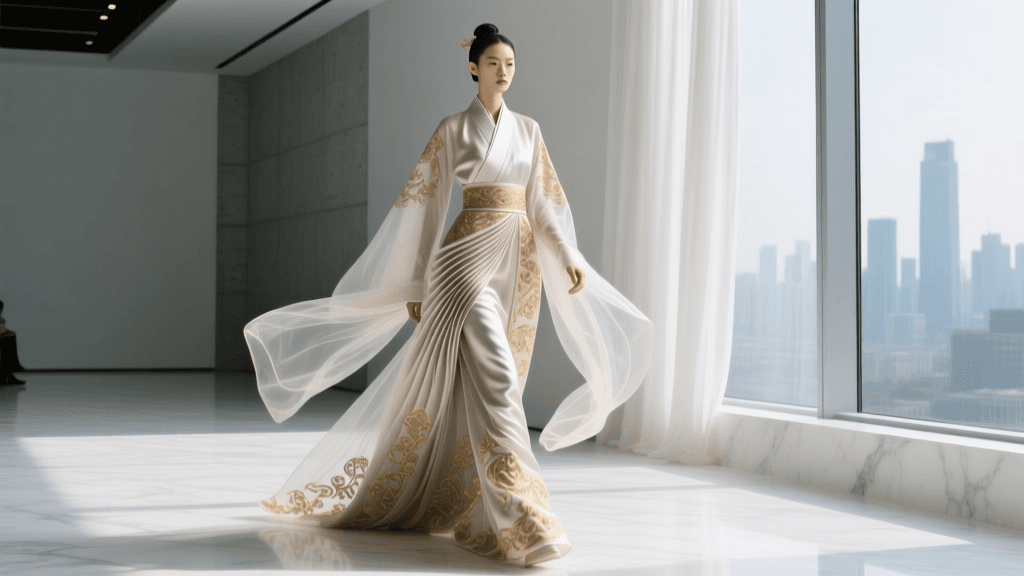
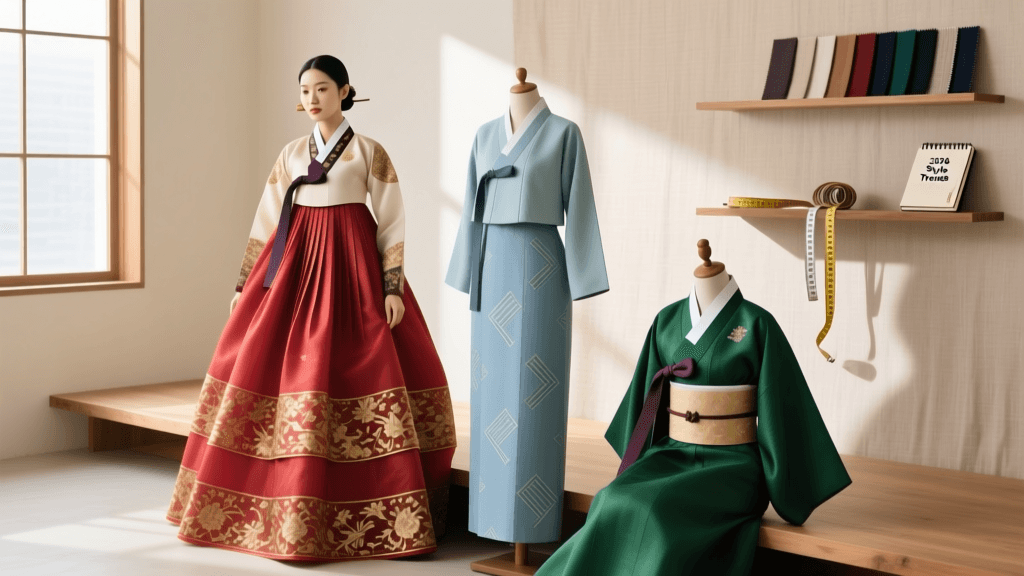
Ceremonial Hanbok, often referred to as Myeongjeol Hanbok (festive clothing) or the highly formal Hwalot (bridal robes), represents the pinnacle of Korean textile artistry. These garments are constructed from heavy, lustrous silks, often woven with real gold threads (geumsa). The ceremonial chima (skirt) is exceptionally voluminous, requiring multiple layers of underskirts (sokchima) to achieve the traditional bell-like silhouette. The jeogori (jacket) features elongated, intricately embroidered sleeves and elaborate goreum (ties) that can measure over a meter in length. According to the UNESCO Intangible Cultural Heritage archives, traditional weaving techniques like Hansan Mosi (ramie weaving) are still utilized for high-end summer ceremonial wear, offering breathability without sacrificing structural integrity. In 2026, a bespoke, fully embroidered ceremonial silk Hanbok can cost anywhere from $1,200 to over $4,500, reflecting the hundreds of hours of hand-stitching required.
Everyday Hanbok (Saenghwal and Gaeryang)
Conversely, the everyday Hanbok—known as Saenghwal Hanbok (living Hanbok) or Gaeryang Hanbok (improved Hanbok)—prioritizes mobility and ease of care. In 2026, everyday iterations are predominantly crafted from organic cotton, linen blends, and innovative sustainable textiles like Tencel and Hanji (Korean paper) fiber blends. The silhouette is streamlined: the skirt is shortened to midi or knee-length, and the voluminous under-layers are entirely omitted. The traditional long goreum is frequently replaced by a simplified, shorter tie or even hidden snap buttons for rapid dressing. Priced accessibly between $80 and $250, everyday Hanbok is machine-washable and designed to be paired with modern accessories like sneakers or minimalist leather handbags.
Kimono: From the Nishijin Looms to the Modern Street
The Japanese Kimono is a masterclass in modular design, where formality is dictated not just by the garment itself, but by the combination of the kimono, the obi (sash), and the accompanying accessories. As noted by The Metropolitan Museum of Art, the evolution of the kimono reflects a deep societal shift from daily uniform to a specialized marker of cultural identity and formal occasion.
Ceremonial Kimono (Tomesode and Furisode)
Ceremonial kimonos are the crown jewels of the Japanese wardrobe. The Kurotomesode (black crepe silk with patterns only below the waist) is the most formal wear for married women, while the Furisode (with dramatically long, swinging sleeves) is reserved for unmarried women at coming-of-age ceremonies and weddings. These garments are woven using the prestigious Nishijin-ori technique or hand-painted using the meticulous Yuzen dyeing method. The silk used is heavy, matte crepe (chirimen) or glossy brocade, often embellished with gold or silver leaf (kinkaku). Dressing in a ceremonial kimono requires professional assistance (kitsuke), taking up to an hour to fold, pad, and tie the stiff, heavily brocaded maru obi. As highlighted in the Victoria and Albert Museum textile archives, the preservation of these complex dyeing and weaving techniques is a major focus of contemporary Japanese cultural initiatives. Purchasing a new, custom-made ceremonial kimono in 2026 is a significant investment, typically starting at $3,500 and easily exceeding $15,000 for master-crafted pieces.
Everyday Kimono (Komon and Tsumugi)
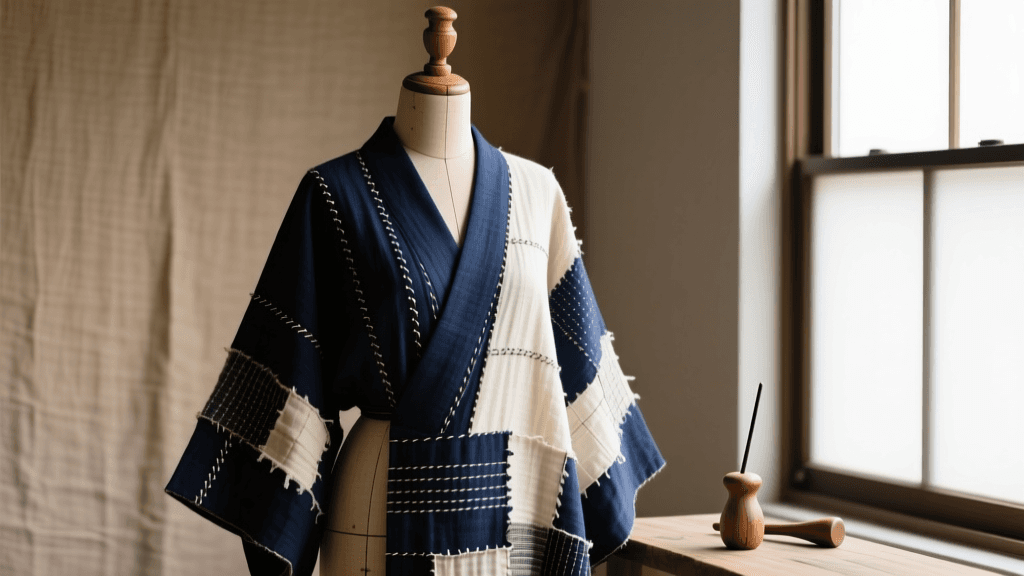
For daily wear, tea ceremonies, or casual theater outings, the Komon (kimono with a repeating, all-over pattern) and Tsumugi (woven silk or cotton) are the standards. In 2026, the everyday kimono market has seen a massive surge in washable, wrinkle-resistant polyester blends that mimic the texture of raw silk, as well as upcycled vintage wool and denim kimonos. These are paired with a soft, easy-to-tie hanhaba obi (half-width sash) that requires no padding or complex folding. Everyday kimonos are designed for self-dressing, taking an experienced wearer less than fifteen minutes to put on. Prices for everyday wear are highly accessible, with high-quality modern washable poly-kimonos retailing for $60 to $150, and vintage silk Komon available for as little as $40 in Kyoto's second-hand markets.
Comparative Data: Ceremonial vs. Everyday Garments
The following table provides a structured comparison of the key differences between ceremonial and everyday Hanbok and Kimono in the 2026 market.
| Garment Type | Category | Primary Fabrics (2026) | Avg. Cost (USD) | Maintenance & Dressing |
|---|---|---|---|---|
| Hanbok | Ceremonial | Heavy Silk, Gold Thread, Ramie | $1,200 - $4,500+ | Dry clean only; 30+ mins to dress with under-layers |
| Hanbok | Everyday | Cotton, Linen, Tencel, Hanji blends | $80 - $250 | Machine washable; 5 mins to dress |
| Kimono | Ceremonial | Nishijin Brocade, Yuzen-dyed Chirimen | $3,500 - $15,000+ | Professional spot cleaning; 45-60 mins with a dresser |
| Kimono | Everyday | Washable Poly, Wool, Denim, Cotton | $40 - $200 | Home wash (poly/cotton); 10-15 mins self-dressing |
Fabric Care, Maintenance, and 2026 Innovations
The divergence in fabric choice between ceremonial and everyday garments is largely driven by maintenance requirements. Ceremonial silks are notoriously delicate. A single drop of water can cause permanent spotting on Yuzen-dyed silk, and the heavy brocades of a Nishijin obi cannot be submerged in water. In 2026, professional kimono cleaning services (arai-hari), where the garment is carefully taken apart, washed, and re-sewn, cost between $150 and $300 per cleaning cycle. Consequently, ceremonial garments are worn sparingly and stored meticulously in specialized, acid-free paulownia wood chests to prevent moisture damage and yellowing.
Everyday garments, however, have benefited immensely from 2026 textile innovations. Japanese manufacturers have perfected the 'washable wafuku' movement, utilizing advanced polyester weaves that possess the thermal regulation of natural fibers but can be tossed into a washing machine on a delicate cycle. Similarly, Korean everyday Hanbok brands have integrated nano-coating technologies into their cotton and linen fabrics, providing stain resistance without compromising the fabric's natural breathability. This technological leap has been the primary driver in the resurgence of daily traditional wear among younger demographics in Seoul and Tokyo.
Sourcing Authentic Pieces in 2026
For those looking to acquire these garments, the sourcing landscape in 2026 offers both traditional and digital avenues. For ceremonial Hanbok, the boutiques surrounding the Bukchon Hanok Village in Seoul remain the premier destination for bespoke, hand-embroidered silk pieces. For everyday Hanbok, the Dongdaemun Design Plaza (DDP) hosts dozens of contemporary brands pushing the boundaries of sustainable, daily-wear designs.
In Japan, the Nishijin Textile Center in Kyoto is the undisputed source for ceremonial kimono fabrics and custom commissions. However, for everyday kimono, the thriving vintage markets—such as the monthly Toji Temple flea market in Kyoto or the specialized online platforms like Kimono-Yamato and Recyclist Kimono—offer incredible value. Buying vintage everyday silk not only provides access to high-quality, mid-century craftsmanship at a fraction of the cost, but it also aligns with the strong circular fashion ethos dominating the 2026 Asian textile market.
Conclusion
The dichotomy between ceremonial and everyday traditional garments is not a story of obsolescence, but one of brilliant adaptation. While the ceremonial Hanbok and Kimono remain steadfast guardians of ancient weaving, dyeing, and embroidery techniques, their everyday counterparts ensure that these cultural silhouettes remain a living, breathing part of the modern wardrobe. By understanding the distinct fabrics, costs, and care requirements of each category, wearers in 2026 can respectfully and stylishly integrate these magnificent Asian traditions into their daily lives and most momentous celebrations.