Kimono Travel Guide 2026: Packing, Transport & Transit Tips

The 2026 Kimono Travel Renaissance
As global tourism continues to prioritize immersive, culturally rich experiences in 2026, traveling with traditional Japanese garments has evolved from a niche hobby into a mainstream pursuit. Whether you are attending a summer festival in Kyoto, participating in a tea ceremony in Kanazawa, or simply exploring the historic streets of Higashiyama, bringing your own kimono collection offers an unparalleled connection to Japanese heritage. However, transporting delicate silk, managing transit etiquette, and maintaining a pristine appearance on the go require meticulous planning.
In this comprehensive 2026 guide, we break down the modern traveler’s approach to kimono packing, leveraging the latest in textile technology, smart luggage solutions, and Japan’s highly efficient transport networks to ensure your garments arrive wrinkle-free and ready to wear.
Curating Your 2026 Travel Wardrobe
The days of traveling exclusively with heavy, delicate vintage silks are behind us. The 2026 kimono market has seen a massive surge in high-tech, travel-friendly textiles that mimic the luster and drape of traditional tsumugi and chirimen silks while offering unprecedented durability.
Washable Silks and Tech-Poly Blends
For travel, prioritize arau kimono (washable kimono). Modern 2026 iterations of washable silk utilize advanced protein-fiber treatments that allow for gentle hand-washing in a hotel sink without losing their structural integrity. Alternatively, high-grade polyester blends have become indistinguishable from raw silk to the untrained eye, offering the ultimate peace of mind against unexpected rain or transit spills.
Strategic Obi Selection
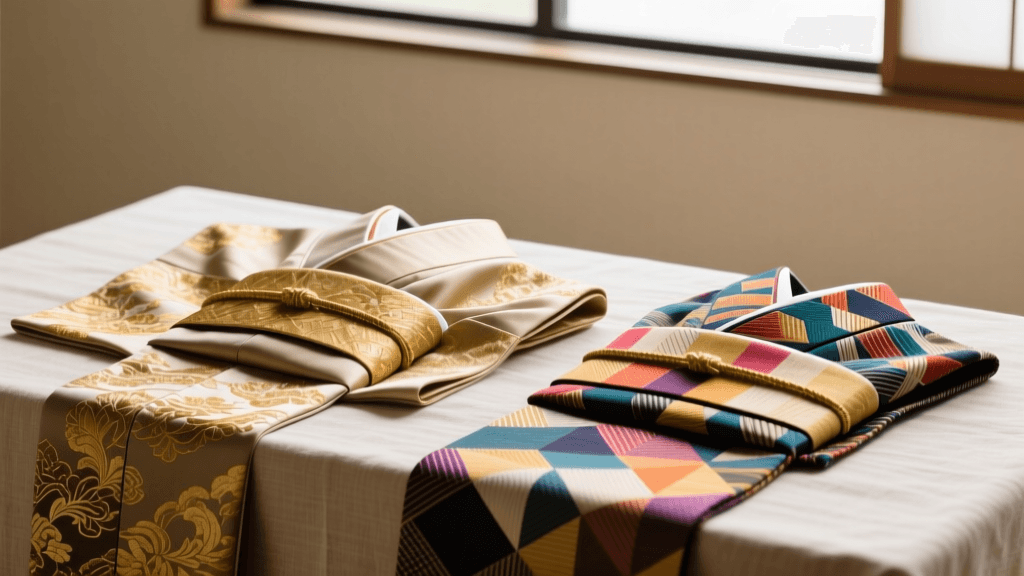
Packing multiple stiff, formal fukuro obi is impractical for most suitcases. Instead, curate a selection of hanhaba obi (half-width obi) and woven nagoya obi that fold compactly and resist deep creasing. These versatile pieces can elevate a casual komon or a crisp yukata without requiring the heavy padding and complex tying associated with formal wear.
The Art of Wrinkle-Free Packing
Packing a kimono requires a departure from standard Western clothing folding techniques. The goal is to minimize sharp creases along the main panels while protecting the delicate collar (eri) and sleeves (sode).
The Modified Hon-Datami Fold
The traditional hon-datami fold is designed for long-term storage in a tatoshi (paper envelope). For travel, we recommend a modified rolling technique layered over the hon-datami base:
- Step 1: Lay the kimono flat and fold it into the standard rectangular hon-datami shape, aligning the seams perfectly.
- Step 2: Place a sheet of acid-free, unbuffered tissue paper over the folded garment. This prevents dye transfer and adds a micro-layer of cushioning.
- Step 3: Instead of folding the rectangle in half again, gently roll the kimono from the bottom hem upward into a loose cylinder. This prevents hard creases across the waist and hip areas.
- Step 4: Place the rolled garment into a dedicated nylon kimono travel bag or a compression cube designed specifically for traditional garments.
Leveraging Takuhaibin (Luggage Forwarding)
One of the greatest advantages of traveling in Japan is the takuhaibin (luggage forwarding) service. Navigating crowded train stations with a large suitcase and a delicate kimono bag is unnecessary. According to the Japan National Tourism Organization, forwarding your main luggage—including your carefully packed kimono suitcase—from your arrival airport directly to your ryokan or hotel is a highly reliable, cost-effective strategy.
By utilizing services like Yamato Transport (Kuroneko), your garments travel in climate-controlled, carefully handled cargo networks, arriving typically within 24 to 48 hours. This allows you to travel to your first destination with just a small carry-on, reducing the risk of transit-related wrinkles or accidental crushing on crowded subway cars.
Essential On-the-Go Transport Gear (2026 Edition)
To maintain your kimono’s pristine condition while on the move, your 2026 travel kit must include specialized gear. Below is a comparison of essential items for the modern kimono traveler.
| Gear Category | 2026 Recommendation | Primary Benefit |
|---|---|---|
| Portable Steamer | Panasonic NI-FS500 Series | Heats in 19 seconds; safely removes transit wrinkles from silk and poly-blends without direct contact. |
| Garment Bag | Waterproof Nylon Tatoshi Envelope | Protects against humidity and accidental spills in hotel closets; folds flat when empty. |
| Collar Stays | Silicone Eri-shin Inserts | |
| Adjustment Clips | Magnetic Obi-leave Clips | Secures the obi in place during crowded commutes without damaging the delicate fabric weave. |
Navigating Transit: Shinkansen and Kyoto Streets
Wearing a kimono in transit requires an understanding of both spatial awareness and cultural etiquette. As noted by Japan Guide's comprehensive etiquette resources, mindfulness of your physical footprint is paramount in Japanese public spaces.
Shinkansen Etiquette and Luggage Rules
If you are traveling with your kimono garment bag on the bullet train, be aware of the JR Central oversized baggage rules, which remain strictly enforced in 2026. Any bag exceeding 160cm in total dimensions (length + width + height) requires a special "Oversized Baggage Seat" reservation. For your delicate kimono carrier, it is best to keep it within standard carry-on dimensions so you can safely store it in the overhead rack or on your lap, ensuring it is never crushed in the rear luggage compartments.
When sitting in the Shinkansen or limited express trains, practice the seiza or shallow seating posture. Gently gather the excess fabric of your skirt (miyatsukuchi) and smooth it beneath you to prevent deep seating creases across the lower back and thighs.
Walking in Historic Districts
Walking in zori or geta sandals through the stone-paved streets of Gion or the hills of Arashiyama requires a specific gait. Keep your steps small and slide your feet slightly, lifting only the toes. This not only preserves the soles of your tabi socks but also prevents the hem of your kimono from kicking up dust or catching on uneven cobblestones. When boarding city buses in Kyoto, always gather the front panels of your kimono slightly to avoid stepping on the hem as you ascend the steep stairs.
The Emergency Adjustment Kit
No matter how perfectly you pack and dress, a full day of travel will inevitably lead to minor shifts in your silhouette. Every kimono traveler must carry a compact emergency adjustment kit in their handbag. For deeper insights into traditional garment care and structural components, the Victoria and Albert Museum’s extensive kimono archives highlight the importance of the underlying support structures that keep the garment secure.
Your 2026 Handbag Essentials:
- Spare Koshihimo: Two extra cotton tying cords in case one loosens or snaps.
- Mini Clip Pouch: A small velvet pouch containing three to four metal kimono clips to temporarily hold up sleeves while eating or washing hands.
- Blotting Papers & Powder: To manage facial oils and humidity-induced sweat, which can easily transfer to the delicate silk collar.
- Stain Removal Pen: A specialized, fabric-safe water pen for immediate spot treatment of tea or soy sauce splashes.
Final Thoughts for the 2026 Traveler
Traveling with a kimono in 2026 is a deeply rewarding endeavor that bridges the gap between historical appreciation and modern exploration. By embracing advanced travel-friendly textiles, utilizing Japan’s world-class luggage forwarding networks, and packing with strategic precision, you can focus entirely on the beauty of your surroundings. Whether you are capturing the ephemeral beauty of cherry blossoms or attending a quiet autumn tea gathering, your garments will remain as immaculate and vibrant as the culture they represent.