Everyday vs Ceremonial Hanbok: 2026 Styling Guide
The Evolution of Hanbok in 2026
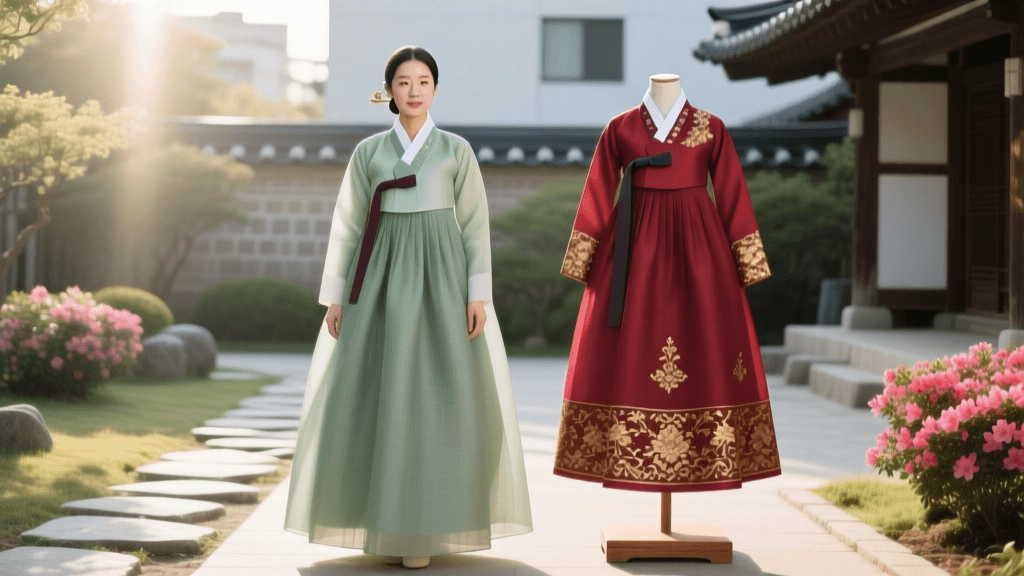
The traditional Korean garment, the hanbok, has undergone a remarkable transformation over the last decade. As we move through 2026, the distinction between ceremonial wear and everyday attire has become more pronounced, yet both remain deeply rooted in Korean heritage. The modern "Hanbok Life" movement has successfully integrated traditional silhouettes into daily wardrobes, while ceremonial hanbok continues to preserve the opulent, historically accurate designs reserved for weddings, Doljanchi (first birthday celebrations), and major lunar holidays.
Understanding the structural, textile, and styling differences between everyday (saenghwal) hanbok and ceremonial (myeongjeol or wedding) hanbok is essential for anyone looking to invest in, rent, or style these garments today. Whether you are navigating the streets of Seoul in a modernized linen jeogori or preparing for a traditional Pyebaek ceremony, this comprehensive 2026 guide breaks down everything you need to know about fabrics, fit, and maintenance.
Ceremonial vs. Everyday Hanbok: A Quick Comparison
Before diving into the specifics of styling and care, it is helpful to understand the core differences at a glance. The table below outlines the primary distinctions between everyday and ceremonial hanbok in the current 2026 market.
| Feature | Everyday Hanbok (Saenghwal) | Ceremonial Hanbok (Myeongjeol/Wedding) |
|---|---|---|
| Primary Fabrics | Cotton, linen, Tencel, polyester blends | Gapsa (silk gauze), Saedan (silk satin), Damascene |
| Skirt (Chima) Volume | Moderate, A-line or pleated, ankle-length | Highly voluminous, floor-sweeping, multiple layers |
| Top (Jeogori) Fit | Tailored, shorter hem, relaxed bust | Structured, longer hem, heavily lined |
| Sleeves (Baerae) | Straight or slightly curved, narrow | Deeply curved, wide, accommodating layers |
| 2026 Price Range (USD) | $80 - $250 (Purchase) | $120 - $200 (Rental) / $1,500+ (Custom Purchase) |
| Maintenance | Machine washable (cold, gentle cycle) | Professional dry clean only, UV-protected storage |
Everyday Hanbok (Saenghwal Hanbok): Practicality Meets Tradition
Everyday hanbok, widely known as saenghwal hanbok, is designed for the realities of modern life. In 2026, leading brands like Leesle and Danha have pushed the boundaries of traditional textiles, introducing wrinkle-resistant cotton-linen blends and sustainable Tencel fabrics that drape beautifully without the heavy maintenance of pure silk. The silhouette is deliberately simplified to allow for ease of movement on public transit and in office environments.
Fabric and Construction
The everyday jeogori (top) is typically cut with a straighter baerae (sleeve curve) and a shorter hemline that sits just below the bust. The goreum (front ribbon) is often shorter and wider than its historical counterpart, making it easier to tie and less likely to drag on the ground. The chima (skirt) usually features a fitted waistband with a zipper or hook-and-eye closure, replacing the traditional long ties, and falls at the ankle to prevent tripping.
- Cotton-Linen Blends (150-180 gsm): The most popular choice for summer 2026. These fabrics offer the breathability of linen with the softness and wrinkle-resistance of cotton.
- Washed Ramie: A traditional summer fabric that has been modernized through enzyme-washing techniques, making it soft against the skin while retaining its crisp, architectural drape.
- Polyester Organza: Frequently used for lightweight, layered spring skirts that mimic the volume of silk without the prohibitive cost or fragility.
Styling for Daily Wear
The beauty of everyday hanbok lies in its versatility. According to recent cultural reporting by the Korea Herald, the 2026 street-style trend heavily favors pairing a solid-colored, minimalist jeogori with high-waisted wide-leg trousers or a simplified A-line chima. For footwear, crisp white sneakers or modern leather loafers have entirely replaced traditional socks and shoes for daily wear, grounding the historical silhouette in contemporary fashion.
Ceremonial Hanbok: Opulence and Heritage
Ceremonial hanbok is a celebration of Korean textile artistry and historical accuracy. Worn during weddings, ancestral rites (Charye), and major life milestones, these garments are defined by their luxurious materials, vibrant natural dyes, and intricate embellishments. The National Museum of Korea frequently highlights the historical continuity of these silk-weaving techniques, which remain highly guarded and culturally significant today.
Silks and Embellishments
Unlike the practical blends of everyday wear, ceremonial hanbok relies on premium silks. Gapsa is a lightweight, sheer silk gauze used for summer ceremonial wear and layering, creating a luminous, ethereal effect. Saedan is a thick, glossy silk satin used for winter garments and wedding robes, providing structure and warmth. Many ceremonial pieces also feature Geumbak—the traditional art of stamping gold or silver leaf onto the silk in auspicious patterns like peonies, cranes, or dragons.
The Wedding Hanbok (Hollyebok)
The traditional Korean wedding attire is perhaps the most elaborate form of ceremonial hanbok. The bride typically wears a Wonsam (a wide-sleeved ceremonial robe) over a heavily pleated chima. The colors are deeply symbolic: red and blue represent the balance of yin and yang, while yellow and green are often incorporated for royalty-inspired elegance. The groom wears a Gwanbok, complete with a structured hat (Samo) and a rank belt (Pumdae).
- Renting vs. Buying: In 2026, renting a high-end ceremonial wedding hanbok in Seoul costs between $120 and $200 USD for a four-day period, which includes professional fitting and accessory bundles. Commissioning a custom, hand-embroidered silk set from a master artisan in the Bukchon Hanok Village district starts at approximately $2,500 USD and takes up to six months to complete.
- The Pyebaek Robe: During the Pyebaek (post-wedding family greeting ceremony), the bride changes into a vibrant, deeply curved green or red robe adorned with gold leaf, designed specifically to catch and hold the chestnuts and dates thrown by the groom's parents to symbolize fertility.
Footwear and Accessories: Completing the Look
Accessories are where the divergence between everyday and ceremonial wear becomes most apparent. The norigae (decorative tassel hung from the chima waistband or jeogori ribbon) is a staple for both, but the execution varies wildly.
Everyday Accessories
For daily wear, the norigae is minimalist. A simple jade bead or a small brass pendant on a short cotton cord is preferred. Hair is typically styled in modern cuts or simple low buns, occasionally accented with a minimalist binyeo (hairpin) made of wood or matte metal. The Cultural Heritage Administration of Korea notes that modern artisans are currently experimenting with upcycled metals and bio-resins to create everyday accessories that appeal to eco-conscious consumers in 2026.
Ceremonial Accessories
Ceremonial styling requires a full suite of traditional accessories. The bride wears a Jokduri (a black silk coronet adorned with cloisonné and pearls) and a Daenggi (a long, embroidered silk hair ribbon). The norigae is elaborate, often featuring three distinct tassels (samjak) with carved amber, coral, or jade pendants. Footwear consists of Hwa—traditional silk shoes with upturned toes, intricately embroidered with floral motifs. These shoes are typically custom-fitted to the wearer and are considered cherished keepsakes.
Sizing, Fit, and Measurements
Whether you are ordering an everyday hanbok online or preparing for a ceremonial fitting, understanding the unique measurement system of the hanbok is crucial. Unlike Western clothing, which focuses heavily on bust and hip circumference, hanbok tailoring prioritizes the shoulders, arm length, and the relationship between the bust and the skirt's waistband.
- Jeogori Length (Hwajang): For everyday wear, the hem should fall 2-3 inches below the bust line. For ceremonial wear, it is traditionally longer, often reaching the upper waist, to accommodate the wide sashes worn underneath.
- Sleeve Length (Somae): Measure from the base of the neck, across the shoulder, and down to the wrist bone. Ceremonial sleeves often extend an additional 1-2 inches past the wrist to hide the hands, a historical sign of modesty and elegance.
- Chima Waist: The traditional chima sits high, just under the bust. When measuring for a modern everyday chima with a structured waistband, ensure you measure exactly where the band will sit to prevent the heavy fabric from pulling down the jeogori.
Care and Maintenance Guide
Proper care ensures the longevity of your garments, but the methods differ drastically based on the textile.
Caring for Everyday Hanbok
Most modern cotton, linen, and Tencel hanbok can be machine washed. Turn the garments inside out, place them in a fine mesh laundry bag, and wash on a cold, gentle cycle with a pH-neutral detergent. Never use bleach or fabric softeners, as these can degrade the natural fibers and dull the vibrant dyes. Hang the chima to dry in the shade, and iron the jeogori on a low-heat setting, always using a pressing cloth to prevent shine marks on the fabric.
Caring for Ceremonial Silk
Silk gap-sa and saedan must never be exposed to water. Spot clean minor stains with a specialized silk foam, but rely on professional dry cleaners who have specific experience with traditional Korean garments and gold leaf (geumbak) preservation. Store ceremonial hanbok in a breathable bojagi (traditional wrapping cloth) made of unbleached cotton. Keep the bundle in a cool, dark closet with cedar blocks to deter moths; avoid plastic garment bags, which can trap moisture and cause the silk to yellow or mildew over time.
Conclusion
The hanbok in 2026 is a testament to the adaptability of cultural heritage. While everyday hanbok continues to evolve with sustainable fabrics and modern silhouettes, making it a viable and stylish choice for daily life, ceremonial hanbok remains a steadfast guardian of Korea's rich textile history. By understanding the distinct fabrics, fits, and care requirements of both categories, you can confidently navigate the world of Korean traditional dress, honoring the past while fully participating in the present.