Kimono Textile Trade Routes: Historical Imports For 2026
The Global Threads of the Japanese Kimono
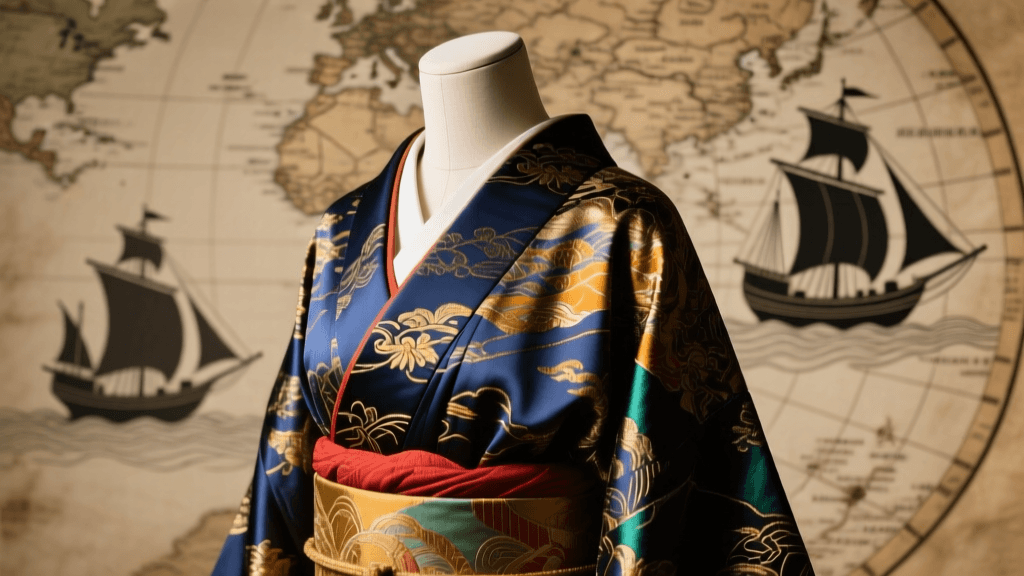
When we envision the traditional Japanese kimono, it is easy to imagine a garment born entirely in isolation, woven from domestic silk and dyed with indigenous plants. However, the true history of the kimono is deeply intertwined with global commerce. As of 2026, textile historians and antique collectors are increasingly focused on the international trade routes that brought foreign fibers, dyes, and weaving techniques to Japan's shores. From the ancient overland Silk Road to the maritime networks of the Dutch East India Company, imported textiles fundamentally altered the trajectory of Japanese fashion.
Understanding these historical imports is no longer just an academic exercise. In the 2026 antique textile market, provenance and material origin dictate the value of historical garments. Furthermore, modern preservationists are utilizing advanced spectral imaging to trace the origins of imported dyes and fibers, revealing a vibrant history of cross-cultural exchange. This guide explores the major trade routes that influenced kimono textiles and provides actionable advice for collectors managing these delicate, globally-sourced historical garments today.
The Silk Road and Chinese Influences
The earliest and most profound influence on Japanese luxury textiles came via the Silk Road, primarily through diplomatic and trade missions to Tang Dynasty China. During the Nara and Heian periods (710–1185), Japanese envoys returned with lavish Chinese brocades, damasks, and gossamer-thin silks. These imports, known collectively as karamono (Chinese things), were highly prized by the imperial court.
The technique of kara-ori (Chinese weave), which later evolved into the luxurious nishiki (brocade) used in Noh theater costumes and high-ranking samurai kosode, was a direct result of these early trade routes. According to the Metropolitan Museum of Art's Heilbrunn Timeline of Art History, the importation of Chinese silk and weaving technology laid the foundational groundwork for Japan's domestic silk industry, particularly in regions like Kyoto's Nishijin weaving district. Even today, the intricate gold and silver thread work seen in antique uchikake (wedding overcoats) owes its lineage to these early continental imports.
Maritime Routes: Indian Chintz and European Velvets
While the Silk Road provided early luxury, the maritime trade routes of the 16th and 17th centuries introduced an explosion of color and pattern that democratized fashion among the rising merchant classes of the Edo period. When Portuguese and Dutch ships arrived, they brought entirely new materials to Japan.
The Dutch East India Company and Sarasa
Perhaps the most significant imported textile in Japanese fashion history is Indian chintz, known in Japan as sarasa. Brought by the Dutch East India Company (VOC) via the Coromandel Coast, these cotton fabrics featured vibrant, colorfast mordant-dyed floral and geometric patterns. Because domestic silk was expensive and heavily regulated by shogunate sumptuary laws, wealthy merchants turned to imported sarasa to line their kosode or craft striking outer garments. The striking reds and deep indigos of Indian cotton offered a visual rebellion against the muted tones mandated for the lower classes.
Portuguese Wool and Velvet
The Portuguese also introduced European wool and velvet. These heavy, warm textiles were initially used for the cloaks of Christian missionaries and the jinbaori (surcoats) worn by samurai generals over their armor. The incorporation of imported velvet, often embroidered with native Japanese crests, created a striking hybrid garment that remains highly sought after by museums and private collectors in 2026.
2026 Market Trends for Antique Imported Kimono Textiles
The global antique textile market has seen a surge in interest regarding cross-cultural garments. In 2026, collectors are moving away from standard domestic silk crepes and actively hunting for garments that showcase foreign influence. The Victoria and Albert Museum notes that the global appreciation for the kimono's complex history has driven up demand for pieces that tell a story of international exchange.
| Textile Type | Origin / Trade Route | 2026 Average Market Value (USD) | Collector Demand |
|---|---|---|---|
| Sarasa (Indian Chintz) | Coromandel Coast via VOC | $2,500 - $8,000 | Extremely High (Museum Quality) |
| Kara-ori Brocade | Chinese Silk Road | $4,000 - $15,000+ | High (Theater & Ceremonial) |
| Meiji Velvet Haori | European Maritime Trade | $800 - $3,500 | Moderate to High |
| Early Calico Linings | Dutch/English Imports | $1,200 - $4,500 | High (Hidden Luxury) |
Preservation Techniques for Historical Trade Textiles in 2026
Garments featuring imported historical textiles require specialized care. Indian cottons, European velvets, and early imported synthetic dyes react differently to environmental stressors than traditional Japanese silk. If you are curating or storing these pieces in 2026, adhering to modern conservation standards is critical.
Climate Control and Monitoring
Imported cottons like sarasa are highly susceptible to mold in high humidity, while silk brocades can become brittle if the air is too dry. In 2026, collectors utilize Bluetooth-enabled smart hygrometers placed directly inside kiri bako (traditional paulownia wood storage boxes). The ideal environment for mixed-media trade textiles is a stable 50% relative humidity (RH) and a temperature of 65°F (18°C). Avoid fluctuations of more than 5% in a 24-hour period.
Archival Storage Materials
Never store imported velvet or heavily embroidered brocade in direct contact with standard tissue paper, as the weight can crush the pile or snag the metallic threads. Instead, use ethanol-free, unbuffered archival tissue to gently stuff the sleeves and bodice, maintaining the garment's structural integrity. Wrap the kimono in a clean, undyed cotton cloth or a specialized Tyvek sleeve before placing it in an acid-free archival box. Paulownia wood boxes remain the gold standard in Japan, as the wood naturally regulates moisture and repels insects, but they must be lined with acid-free barriers to prevent wood oils from migrating into the textile.
Light Exposure and Display
The vibrant mordant dyes of Indian chintz and the early aniline dyes imported during the Meiji period are notoriously fugitive, meaning they fade rapidly under ultraviolet light. If displaying a trade-route kimono in your home or gallery, ensure the space is illuminated with UV-filtered LED lighting set to a maximum of 50 lux. Limit display periods to three months, followed by a minimum six-month rest period in dark, climate-controlled storage.
Where to Study Trade-Route Kimono Collections
For enthusiasts and designers looking to study these historical imports firsthand, several institutions offer unparalleled access. The Tokyo National Museum houses an extensive collection of meibutsu-gire (famous imported textiles) that were historically used for tea ceremony accessories and garment patches. In the West, the V&A's ongoing digital and physical archives provide incredible high-resolution access to Edo and Meiji period garments that showcase the fusion of Japanese tailoring with global textiles.
Conclusion
The kimono is not merely a symbol of isolated Japanese tradition; it is a canvas that records centuries of global ambition, maritime exploration, and cross-cultural artistry. From the luxurious Chinese brocades of the Silk Road to the vibrant Indian chintzes carried by Dutch galleons, historical imports fundamentally shaped the aesthetic and material reality of Japanese dress. As we navigate the 2026 antique market and employ modern preservation technologies, we do more than protect old fabrics—we safeguard the tangible threads of a deeply interconnected world.