Top 2026 Workshops for Hanbok Nubi and Kimono Yuzen Dyeing
The Renaissance of Heritage Garment Making in 2026
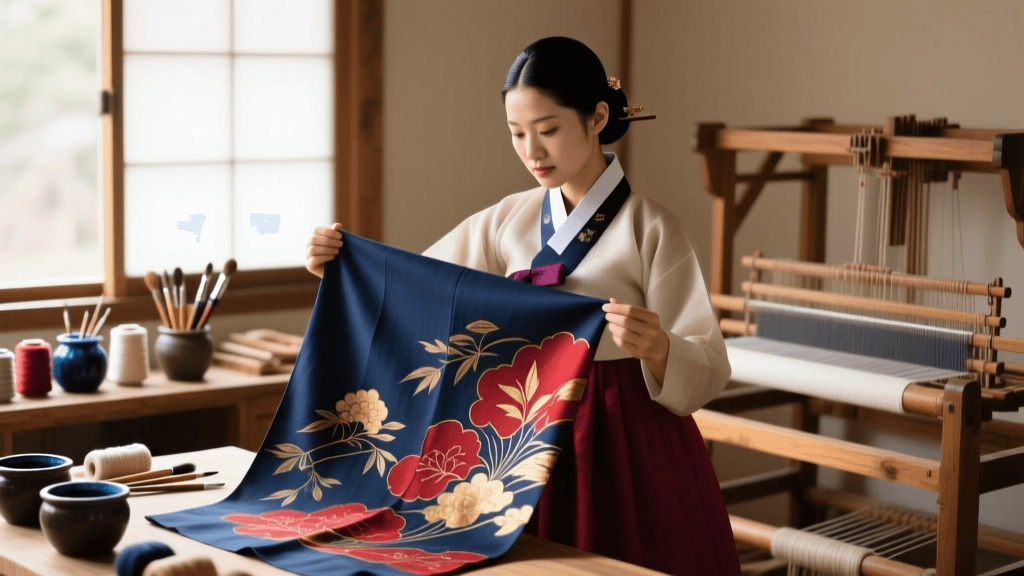
As we navigate the global fashion landscape of 2026, a profound shift toward slow fashion and cultural preservation has taken center stage. Discerning creators and textile enthusiasts are no longer satisfied with merely wearing traditional Asian garments; they are actively seeking to understand the intricate construction and historical context behind them. At The Garment Atlas, we have observed a massive surge in enrollment for specialized, hands-on seminars dedicated to East Asian textile arts. Whether you are looking to construct a historically accurate Korean jeogori or dye a bespoke Japanese furisode, mastering these techniques requires expert guidance, authentic materials, and a deep respect for heritage methodologies.
This comprehensive guide explores the premier 2026 workshops and seminars for learning traditional Asian garment making, focusing specifically on the meticulous Korean art of Hanbok Nubi (quilting) and the vibrant Japanese technique of Kimono Yuzen (resist dyeing). We will break down the curriculum, required toolkits, and practical outcomes of this year's most sought-after masterclasses.
Decoding Hanbok Nubi: The Korean Art of Quilted Silk
Nubi is the traditional Korean technique of quilting, historically used to add warmth, durability, and structural elegance to Hanbok garments, particularly the jeogori (jacket) and baji (trousers) worn during harsh winters. Unlike Western quilting, which often relies on thick cotton battings and wide stitch patterns, Nubi utilizes exceptionally fine silk wadding and microscopic running stitches known as homjil. The result is a garment that is remarkably lightweight yet thermally insulating, featuring a subtle, ribbed texture that elevates the silk's natural luster.
2026 Featured Seminar: Seoul Heritage Foundation Nubi Intensive
For 2026, the Seoul Heritage Foundation has launched an exclusive six-week hybrid intensive titled 'The Architecture of Nubi.' This program is designed for intermediate sewists who already possess a foundational understanding of flat-felled seams and silk handling. The 2026 cohort focuses heavily on the historical transition of Nubi from the late Joseon period to contemporary ceremonial wear.
- Curriculum Highlights: Students learn to draft the traditional curved sleeve (baerae) and the intricate gusset (mu) before layering the textiles. The core technical module focuses on achieving the perfect homjil stitch, maintaining a strict 2-millimeter stitch length and a 1.5-centimeter channel width.
- Material Science: The seminar provides a curated 2026 material kit, including 100% Gyeongju-woven myeongju (plain-weave silk), premium mulberry silk batting (sok), and specially milled beeswax for thread conditioning.
- Cost and Format: Priced at $1,450 USD for the full six weeks, the course includes three in-person weekend sessions in Seoul's Insadong district, supplemented by high-definition virtual loom and stitching demonstrations for international participants.
'The beauty of Nubi lies in the tension of the thread. If your homjil is too tight, the silk puckers; too loose, and the batting shifts. It is a meditation in physical restraint.' — Master Artisan Park Jin-hee, Lead Instructor for the 2026 Seoul Intensive.
Mastering Kimono Yuzen: Japanese Resist-Dyeing Techniques
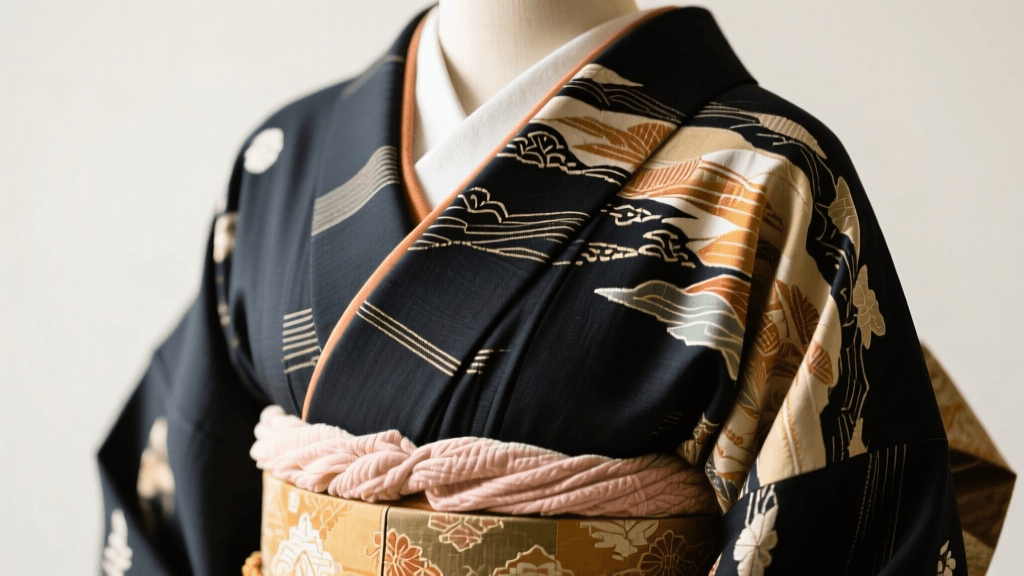
While Nubi focuses on structural textile manipulation, Yuzen dyeing is the pinnacle of surface design in Japanese garment making. Originating in the Edo period, Kyo-Yuzen (the Kyoto style) allows for the creation of breathtaking, painterly motifs directly onto silk kimono bolts (tanmono). The process relies on a rice-paste resist called ito-me-nori, which creates a physical barrier on the fabric, preventing dyes from bleeding into one another and allowing for crisp, intricate lines and vibrant color gradients.
According to the Victoria and Albert Museum's comprehensive guide to Kimono, the evolution of these garments and their decorative techniques reflects centuries of shifting social structures, aesthetic philosophies, and technological advancements in Japanese textile production. Learning Yuzen today is not just about dyeing fabric; it is about engaging with a living, breathing art form that dictates the visual language of Japanese ceremonial wear.
2026 Featured Seminar: Kyoto Artisan Guild Yuzen Masterclass
The Kyoto Artisan Guild's 2026 'Mastering the Resist' seminar is a rigorous, four-week immersion into the chemistry and artistry of Kyo-Yuzen. This year's syllabus has been updated to include sustainable, plant-based dye alternatives alongside traditional synthetic and natural pigments, reflecting the 2026 industry push toward eco-conscious heritage crafts.
- Curriculum Highlights: The course begins with aobana tracing, using the ephemeral blue juice of the spiderwort flower to sketch designs onto the silk. Students then master the application of ito-me-nori using specialized brass-tipped cones. The final weeks focus on iro-sashi (color insertion) using surikomi-fude (deer-hair brushes) to achieve signature bokashi (gradation) effects.
- Equipment and Setup: Yuzen requires a specialized workspace. The Guild provides access to traditional yuzen-bata (tensioning frames) and the massive cedar steam chests required to set the dyes and wash away the rice paste without damaging the silk.
- Cost and Format: At $2,100 USD, this in-person-only seminar requires participants to reside in Kyoto for the month. The fee includes all raw silk bolts, resist pastes, dyes, and the rental of the artisan studio space.
Workshop Comparison: Nubi vs. Yuzen
Choosing between structural garment making and surface textile design depends on your artistic goals, budget, and available time. Below is a detailed comparison of the two premier 2026 programs to help you decide which heritage craft aligns with your current skill set.
| Feature | Seoul Heritage Nubi Intensive | Kyoto Artisan Yuzen Masterclass |
|---|---|---|
| Primary Technique | Structural quilting and micro-stitching | Resist-dyeing and color gradation |
| Time Commitment | 6 Weeks (Hybrid / Part-time) | 4 Weeks (In-person / Full-time) |
| Base Tuition Cost | $1,450 USD | $2,100 USD |
| Skill Prerequisite | Intermediate sewing, silk handling | Fine motor skills, painting/drawing |
| Final Output | Fully constructed, quilted Hanbok Jeogori | Dyed, unsewn Kimono Tanmono (bolt) |
| Primary Tools Used | Shimofuri needles, silk thread, beeswax | Brass nori cones, deer-hair brushes |
Sourcing Authentic Materials in 2026
One of the most significant hurdles for students of traditional Asian garment making is sourcing authentic, high-quality materials outside of East Asia. In 2026, the global supply chain for heritage textiles has stabilized, but knowing exactly what to order and from whom is crucial for your success in these workshops.
For Hanbok construction, the quality of the myeongju silk is paramount. Avoid generic 'craft silk' from large online marketplaces, as the weave is often too loose to support the tension of Nubi stitching. Instead, utilize specialized exporters like the Gyeongju Traditional Silk Cooperative, which now offers direct-to-consumer international shipping for their tightly woven, naturally degummed silks specifically graded for quilting. Furthermore, sourcing authentic mulberry silk batting (sok) is essential; synthetic alternatives will melt under the heat of a traditional iron and will not provide the correct historical drape.
For Kimono Yuzen dyeing, the ito-me-nori (rice paste resist) is highly perishable and sensitive to humidity. In 2026, several Kyoto-based suppliers have developed freeze-dried resist pastes that can be shipped globally and reconstituted with distilled water upon arrival, maintaining the exact viscosity required for fine-line application. When purchasing surikomi-fude (dye brushes), ensure the bristles are genuine deer hair; synthetic alternatives do not hold the water-based dyes correctly and will result in harsh, streaky color applications rather than the coveted smooth gradients.
Preserving Intangible Cultural Heritage
Participating in these specialized workshops is about more than just acquiring a new hobby; it is an active contribution to the survival of endangered crafts. According to the UNESCO Intangible Cultural Heritage lists, the preservation of traditional textile methodologies requires continuous transmission from master to apprentice. By enrolling in these 2026 seminars, international students provide the economic viability and global appreciation necessary to keep these artisan guilds operational.
Whether you are meticulously counting the 2-millimeter stitches of a Hanbok homjil seam or carefully guiding a brass cone of rice paste across a silk kimono bolt, you are engaging in a profound dialogue with history. The garments you create will not only serve as stunning examples of slow fashion but as tangible testaments to the enduring legacy of Asian textile arts.
Preparing for Your First Traditional Textile Seminar
If you plan to apply for the 2027 cohorts of these or similar heritage garment workshops, begin preparing your foundational skills now. For prospective Nubi students, practice your running stitch on medium-weight cotton before attempting silk, focusing entirely on stitch consistency and tension control. For aspiring Yuzen dyers, practice watercolor painting on silk scraps to understand how liquid pigments bleed and interact with protein fibers. Familiarize yourself with the specific terminology of East Asian garment making, as immersion in the cultural lexicon will greatly enhance your comprehension during the intensive masterclasses. The journey of mastering traditional Asian garment making is rigorous, but the reward of creating a culturally resonant, historically accurate piece with your own hands is unparalleled in the modern textile world.