2026 Guide to Japanese Kimono Layering: Edo Komon and Yuzen Styles
The Renaissance of Kitsuke in 2026
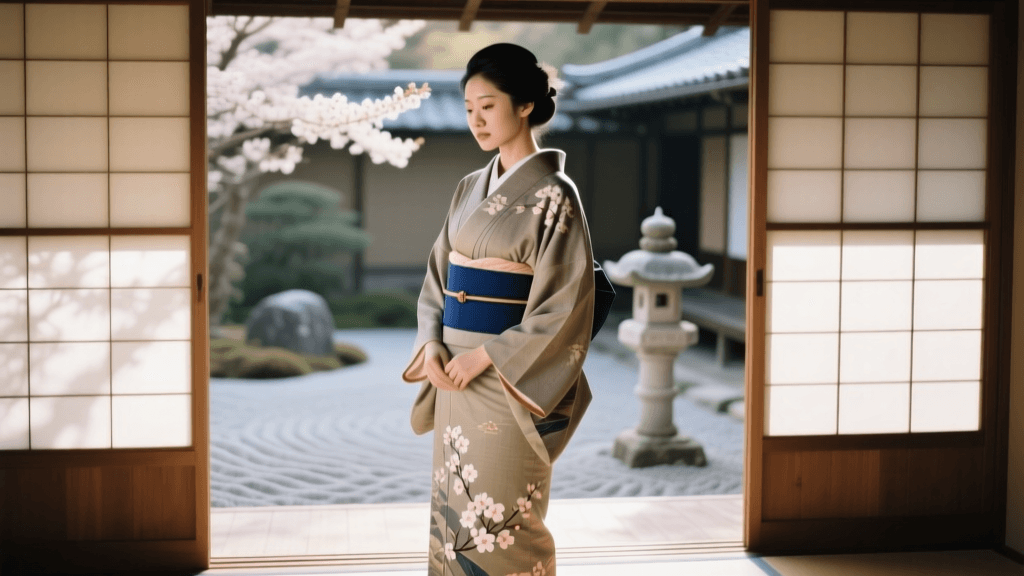
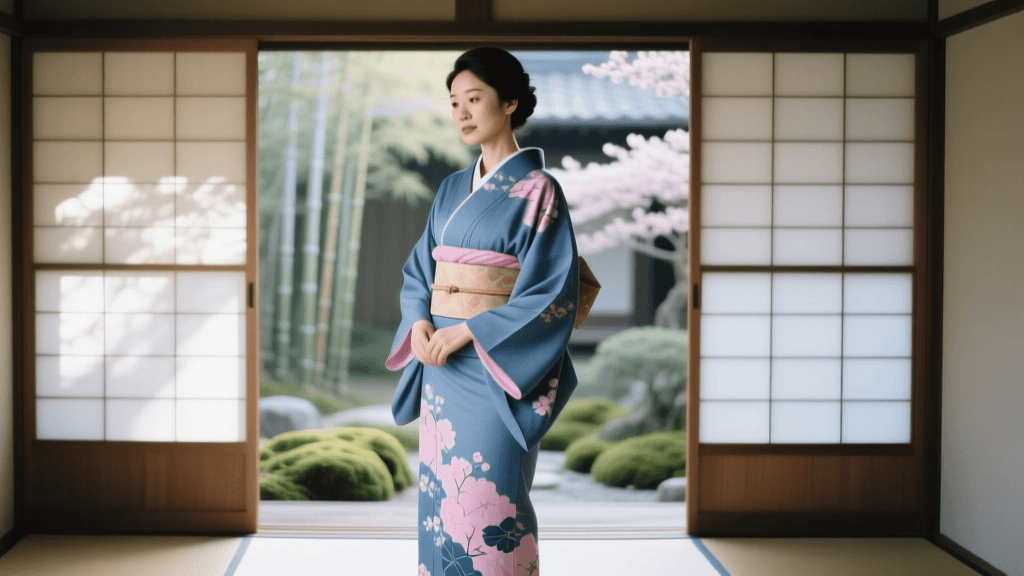
The art of kitsuke (kimono dressing) has undergone a remarkable transformation by 2026, evolving from a rigid set of ceremonial rules into a dynamic, sustainable fashion practice. Modern wearers are increasingly blending heritage textiles with contemporary lifestyle needs, prioritizing both aesthetic beauty and functional comfort. According to the Victoria and Albert Museum's extensive textile archives, the kimono is not merely a historical artifact but a living garment that continuously adapts to the cultural zeitgeist. Today, the focus has shifted toward mastering the intricate layering techniques that allow iconic textiles like Edo Komon and Yuzen to be worn year-round, adapting to shifting climates and modern urban environments.
In 2026, the Japanese fashion landscape fully embraces 'heritage sustainability.' Consumers are investing in high-quality, artisan-crafted garments and utilizing advanced preservation methods to extend the lifecycle of vintage and bespoke pieces. Understanding the foundational architecture of kimono layering is essential for anyone looking to integrate these magnificent garments into a modern wardrobe.
Understanding Core Textiles: Edo Komon vs. Yuzen
Before mastering the physical layering process, one must understand the textiles that dictate the formality and seasonal appropriateness of the outfit. The two most prominent dyeing techniques dominating the 2026 premium market are Edo Komon and Yuzen.
The Edo Komon Revival
Originating in the Edo period for the samurai class, Edo Komon is characterized by ultra-fine, micro-patterns that appear as a solid color from a distance but reveal intricate geometric or nature-inspired motifs upon close inspection. In 2026, master dyers in Tokyo and Kanazawa have revived natural persimmon tannin (kakishibu) and fermented indigo dyes to create Edo Komon silks that are naturally antimicrobial and UV-resistant. A bespoke Edo Komon kimono from a certified master dyer currently ranges from 450,000 JPY to 800,000 JPY (approximately $3,000 to $5,300 USD), reflecting the hundreds of hours required to carve the katagami (paper stencils) and hand-dye the silk.
Yuzen Dyeing in Contemporary Fashion
Yuzen is a resist-dyeing technique that allows for expansive, multi-colored, pictorial designs. The Metropolitan Museum of Art notes that the structural evolution of the kosode into the modern kimono provided a broad canvas for Yuzen artists to paint sweeping landscapes, flowing rivers, and seasonal flora across the back hem and sleeves. In 2026, contemporary Yuzen artists are experimenting with metallic leafing and subtle gradient shading (bokashi) that catches the light in modern, LED-lit urban settings, making these garments highly sought after for evening wear and gallery openings.
The Architecture of Layering: Juban and Collars
The secret to a flawless kimono silhouette lies not in the outer garment, but in the undergarments. The nagajuban (full-length under-kimono) and the han-eri (half-collar) are the structural foundation of kitsuke.
Selecting the 2026 Climate-Adaptive Juban
Historically, silk or heavy cotton juban were worn year-round, leading to discomfort during Japan's humid summers. By 2026, textile innovators have introduced climate-adaptive juban woven from bamboo-charcoal and hemp blends. These modern undergarments wick moisture, regulate body temperature, and possess a natural stretch that makes the tight wrapping of the datejime (under-belt) much more comfortable. When layering, the juban must be precisely aligned so that exactly 2 to 3 centimeters of the collar peeks out from the back of the neck—a measurement known as the eri-nuki.
The Art of Kasane-Eri (Layered Collars)
For formal occasions, layering extends to the collar itself. The kasane-eri involves inserting a secondary, contrasting collar between the juban collar and the outer kimono collar. In 2026, the trend favors subtle, tonal layering: pairing a deep plum Edo Komon kimono with a pale cherry-blossom pink secondary collar, creating a sophisticated depth that mimics traditional court layering (kasane no irome) but scaled for modern minimalism.
2026 Seasonal Layering Matrix
Seasonality is the heartbeat of Japanese fashion. The choice of lining, textile weight, and layering depth changes strictly with the calendar. Below is the definitive 2026 layering matrix for traditional garments.
| Season | Kimono Type | Juban (Undergarment) | Collar Style | Footwear |
|---|---|---|---|---|
| Spring (Mar-May) | Awase (Lined Silk) | Standard Cotton/Hemp | Kasane-eri (Layered) | Zori with Tabi |
| Summer (Jun-Aug) | Ro or Sha (Sheer Gauze) | Ro-Sha Juban (Mesh) | Single White Han-eri | Rattan Zori |
| Autumn (Sep-Nov) | Hitoe (Unlined) to Awase | Stretch-Bamboo Blend | Embroidered Han-eri | Leather Zori |
| Winter (Dec-Feb) | Awase with Silk Wadding | Quilted Silk Juban | Kasane-eri (Velvet) | Velvet Zori |
Pro-Tip for 2026: During the transitional months of June and September, the hitoe (unlined kimono) is essential. Pairing a lightweight Edo Komon hitoe with a breathable mesh juban allows for elegant layering without the risk of overheating during unseasonably warm autumn days.
Essential Accessories and Obi Pairings
The obi (sash) is the anchor of the kimono outfit. For Edo Komon and Yuzen garments, the fukuro obi (a formal, double-width sash woven with metallic threads) is the standard choice. In 2026, the circular fashion market has seen a massive surge in upcycled vintage Nishijin-ori obi, with premium pieces averaging 65,000 JPY ($430 USD).
When tying the obi, the taiko musubi (drum knot) remains the most versatile and elegant style for married women and formal events, while the fukura-suzume (puffed sparrow knot) is favored by younger wearers for its dynamic, wing-like silhouette. To secure the obi, a 150cm obijime (braided cord) is tied across the center. Modern 2026 obijime often feature subtle silicone-grip cores, preventing the knot from slipping during long days of wear.
Preservation and Smart Care for Heritage Textiles
Investing in high-end Edo Komon or Yuzen silk requires meticulous preservation. The traditional practice of mushi-boshi (airing out garments in the shade during dry autumn months) remains vital to prevent mold and crease-set. However, 2026 has introduced smart-storage solutions for the modern collector.
Today, bespoke tansu (cedar wardrobes) are frequently fitted with IoT-enabled humidity and temperature sensors. These sensors connect to smartphone applications, alerting the owner if the internal humidity deviates from the optimal 50-55% range required for silk preservation. Furthermore, AI-assisted pattern matching services are now available in Tokyo and Kyoto, allowing collectors to seamlessly restore frayed Yuzen hems or faded Edo Komon micro-patterns using precision digital loom mapping and natural pigment printing.
Conclusion
Mastering Japanese kimono layering in 2026 is a rewarding journey that bridges centuries of artisanal mastery with contemporary sustainable fashion. By understanding the distinct characteristics of Edo Komon and Yuzen textiles, utilizing climate-adaptive undergarments, and adhering to the seasonal matrix, modern wearers can honor the profound heritage of the garment while making it entirely their own. Whether attending a formal tea ceremony or navigating a modern art exhibition, the layered kimono remains an unparalleled expression of elegance, discipline, and cultural pride.