Bespoke Geta and Zori Sandals: 2026 Crafting Guide
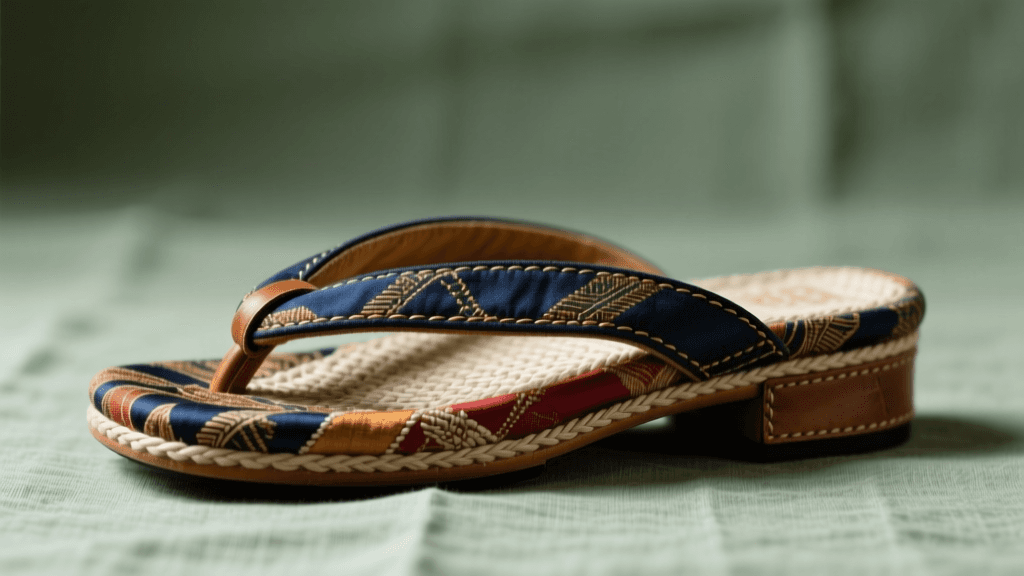
The rhythmic clack of wooden geta against stone pathways and the soft rustle of woven zori have echoed through Japan for centuries. However, as we navigate 2026, these traditional garments are experiencing a profound renaissance. No longer relegated solely to summer festivals or historical reenactments, bespoke Japanese footwear has become a cornerstone of the global slow fashion movement. Today, master artisans are blending Edo-period techniques with modern ergonomic innovations, creating sustainable, highly personalized footwear that appeals to a new generation of cultural enthusiasts.
The 2026 Resurgence of Japanese Footwear
In 2026, the demand for heritage craftsmanship has reached an all-time high. Consumers are increasingly turning away from mass-produced, synthetic fast fashion in favor of garments and accessories that tell a story. According to the Japan Traditional Crafts Aoyama Square, artisan registrations and workshop attendances for traditional footwear crafting have seen a steady revitalization over the past few years, peaking in 2026. This surge is driven by a desire for hyper-local sourcing, zero-waste production, and the preservation of intangible cultural heritage. Younger Japanese demographics, alongside international collectors, are commissioning bespoke pairs that serve as both functional daily wear and wearable art.
Anatomy of the Craft: Geta vs. Zori
To appreciate the craft, one must understand the distinct anatomies of these two iconic silhouettes. While often grouped together by the untrained eye, their construction and用途 (用途 - purpose) differ significantly.
Geta: The Elevated Wooden Clog
The geta is characterized by its wooden base, known as the dai. Beneath the dai are the ha (teeth), which elevate the wearer above the ground. Historically, this elevation kept expensive silk kimono hems clean from mud and rain. The foot is secured by the hanao, a three-pronged thong typically made of braided cotton, silk, or velvet. The iconic 'clack' of the geta is produced by the ha striking the ground, a sound poetically referred to in Japanese literature as the heartbeat of the city.
Zori: The Flat Woven Sandal
The zori features a flat base without teeth. Traditionally woven from igusa (rush grass), straw, or bamboo sheath, modern 2026 iterations frequently utilize upcycled kimono silk, vegan leather, and high-density EVA for enhanced comfort. Zori are considered more formal than geta and are the mandatory footwear pairing for formal kimono ensembles, such as those worn at tea ceremonies, weddings, and coming-of-age ceremonies.
Material Sourcing and Sustainability in 2026
Sustainability is the defining ethos of 2026 footwear craft. Artisans are moving away from imported, chemically treated woods and synthetic straps, opting instead for transparent, regenerative supply chains. Paulownia (kiri) wood remains the gold standard for geta bases due to its lightweight nature, natural moisture resistance, and beautiful grain. In 2026, top-tier workshops exclusively source Paulownia from managed, replanted forests in the Tohoku region, ensuring a carbon-neutral footprint.
For the hanao straps, the upcycling of vintage and damaged silk kimono has become a major trend. This not only rescues historical textiles from landfills but also ensures that no two bespoke pairs are exactly alike. Below is a comparison of the primary materials used in 2026 artisan workshops.
| Material | Application | 2026 Avg. Bespoke Cost (JPY) | Durability & Traits |
|---|---|---|---|
| Paulownia (Kiri) | Geta Base (Dai) | ¥18,000 - ¥35,000 | Lightweight, rot-resistant, soft on joints |
| Cypress (Hinoki) | Premium Geta Base | ¥25,000 - ¥45,000 | Denser, aromatic, highly water-resistant |
| Igusa (Rush Grass) | Zori Base / Insole | ¥12,000 - ¥22,000 | Breathable, traditional, requires dry storage |
| Upcycled Silk | Hanao (Straps) | ¥8,000 - ¥15,000 | Vibrant, historic, delicate but reinforced |
| Vegan Bio-Leather | Zori Base / Straps | ¥15,000 - ¥28,000 | Weatherproof, modern, easy to clean |
The Artisan Process: Carving and Threading
Commissioning a bespoke pair is an intimate process that bridges the gap between the artisan and the wearer. The creation of a single pair of high-end geta involves over forty distinct steps, heavily relying on the master's tactile intuition.
Shaping the Dai
The process begins with selecting the right block of Paulownia. The artisan cuts and planes the wood, shaping the dai to match the exact contours of the client's foot. Unlike Western shoemaking, which often encloses the foot, Japanese footwear relies on balance. The artisan must calculate the precise placement of the three holes drilled for the hanao. If the front hole is even a millimeter off-center, the wearer will experience severe fatigue and blistering.
Tying the Hanao
The threading of the hanao is a masterclass in tension and knot-tying. The inner core of the strap is often made of a durable, flexible hemp or synthetic cord for strength, which is then wrapped in the chosen silk or velvet. The artisan uses a specialized kagi (hook) tool to pull the straps through the wooden base, securing them with a complex, hidden knot known as the musubi. In 2026, some artisans embed a small, personalized metal seal or a wooden bead inside the knot cavity as a signature of authenticity.
Modern Ergonomics for Concrete Cities
While historical artifacts housed at the Tokyo National Museum reveal that the basic structure of the geta has remained largely unchanged since the Edo period, the environments in which we walk have drastically shifted. Walking on asphalt and concrete requires different shock absorption than walking on packed earth or wooden boardwalks.
To address this, 2026 bespoke geta often feature hidden ergonomic upgrades. Artisans are now carving subtle arch supports into the dai, a departure from the traditionally flat wooden board. Furthermore, the ha (teeth) are frequently fitted with removable, high-density rubber or cork caps. These caps dampen the loud clacking sound—making them polite for quiet urban neighborhoods and modern office spaces—while providing vital shock absorption for the knees and lower back.
How to Commission Bespoke Footwear
If you are looking to invest in a bespoke pair in 2026, understanding the sizing and commissioning process is crucial. Traditional Japanese footwear sizing differs markedly from Western conventions.
- The Overhang Rule: Traditionally, the heel of the foot should overhang the back of the dai by about 1 to 2 centimeters. This prevents the heel from catching on the ground and throwing off your balance. However, many 2026 clients prefer a 'flush' fit for aesthetic reasons, which artisans can accommodate by adjusting the center of gravity.
- Measuring: You will need to provide the exact length from your heel to the tip of your longest toe, as well as the circumference of your instep to ensure the hanao is neither too tight nor too loose.
- Lead Times: Due to the meticulous nature of the craft and the high demand in 2026, expect a lead time of 6 to 10 weeks for a fully bespoke commission from a recognized master.
- Workshop Experiences: For travelers looking to experience this craft firsthand, the Japan National Tourism Organization highlights several 2026 workshop itineraries in Kyoto and Tokyo where visitors can learn to tie their own hanao and customize pre-carved bases.
Styling and Care for Longevity
Caring for wooden and woven footwear ensures they can be passed down as heirlooms. Paulownia geta should be kept away from prolonged direct sunlight, which can cause the wood to warp or crack. If the wood becomes dry, a light application of natural tung oil or camellia oil will restore its luster and water resistance. For igusa zori, brushing with a soft, dry brush after wear removes dust and prevents the fibers from breaking down.
Styling in 2026 is wonderfully eclectic. While geta and zori remain the definitive partners for yukata and kimono, contemporary fashionistas are pairing bespoke, low-profile geta with wide-leg linen trousers, tailored denim, and avant-garde streetwear. The juxtaposition of ancient woodworking with modern silhouettes creates a striking, culturally rich aesthetic that honors the past while stepping confidently into the future.