The Modern Haori: Styling Japanese Jackets in Streetwear
The Evolution of the Haori: From Ceremonial Wear to Streetwear
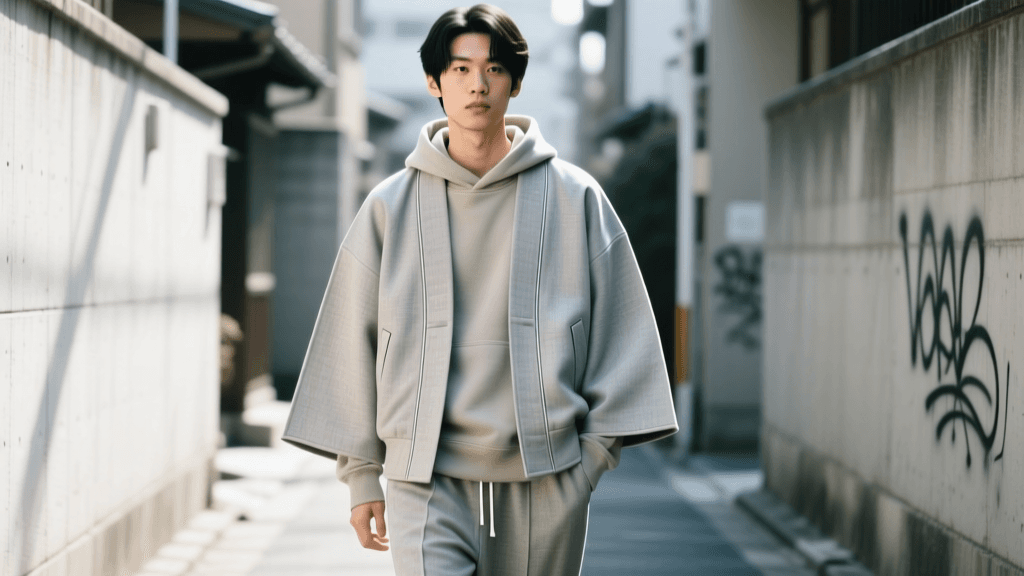
The intersection of Edo-period tradition and contemporary Harajuku street style has given rise to one of the most versatile layering pieces in modern fashion: the haori. Originally designed as a formal jacket worn over the kimono, the haori has transcended its ceremonial roots to become a genderless, boundary-pushing staple in global streetwear. Whether you are navigating the neon-lit alleys of Shibuya or the concrete landscapes of New York, integrating a traditional Japanese haori into your daily rotation offers a masterclass in silhouette, texture, and cultural appreciation.
Historically, the haori was worn by men as a protective layer over their kosode (the predecessor to the modern kimono) and later adopted by women in the geisha districts of Kyoto. Today, as documented by institutions like the Victoria and Albert Museum's Kimono: Kyoto to Catwalk exhibition, Japanese garments have heavily influenced global fashion runways and street style alike. The haori’s T-shaped construction, open front, and dramatic sleeves make it an ideal outer layer for modern techwear, minimalist citywear, and vintage Americana aesthetics.
Understanding Haori Sizing and Fit for Modern Layering
Unlike Western tailored jackets, the haori is constructed from straight bolts of fabric, resulting in a boxy, forgiving silhouette that is perfect for oversized streetwear layering. However, understanding traditional Japanese measurements is crucial when sourcing vintage or modern pieces to ensure the drape sits correctly over hoodies, thick tees, or knitwear.
The most critical measurements to look for when buying a haori for streetwear are the Yuki (center back neck to wrist), Sode-take (sleeve depth), Mihaba (shoulder/body width), and Kitake (back length). For a modern streetwear aesthetic, you generally want a longer sleeve depth and a wider body to accommodate bulkier layers underneath.
Sizing Comparison: Traditional vs. Streetwear Fit
| Measurement Type | Traditional Fit (cm) | Modern Streetwear Fit (cm) | Styling Impact |
|---|---|---|---|
| Yuki (Sleeve + Shoulder) | 60 - 65 cm | 75 - 85 cm | Creates a dramatic, dropped-shoulder drape ideal for oversized hoodies. |
| Sode-take (Sleeve Depth) | 45 - 50 cm | 55 - 65 cm | Provides the signature 'pouch' look when arms are bent, adding volume. |
| Mihaba (Body Width) | 58 - 62 cm | 65 - 75 cm | Allows for thick winter layering without restricting arm movement. |
| Kitake (Back Length) | 75 - 85 cm | 85 - 105 cm | Mid-thigh length balances wide-leg trousers and chunky sneakers. |
Fabric Choices and Sourcing: Vintage Silk vs. Modern Cotton
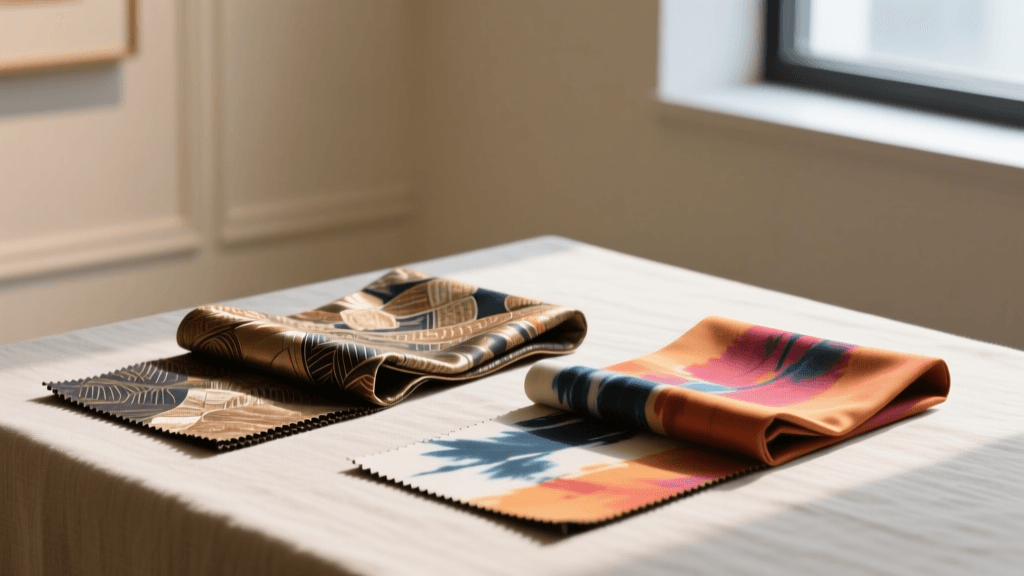
When building your streetwear wardrobe, the fabric of your haori dictates its seasonal utility and aesthetic vibe. The secondary market in Tokyo is a goldmine for vintage textiles, while contemporary brands offer durable, washable alternatives for daily wear. According to the Japan Experience Guide to Tokyo Vintage Stores, areas like Harajuku and Shimokitazawa are essential hunting grounds for authentic vintage garments.
Where to Buy and What to Expect
| Source / Brand | Material | Price Range (USD) | Best For |
|---|---|---|---|
| Chicago Harajuku | Vintage Silk (Meisen, Oshima) | $40 - $120 | Statement pieces, bold patterns, techwear contrast. |
| Sokkyou (Shimokitazawa) | Vintage Silk / Wool Blends | $30 - $90 | Muted tones, subtle textures, minimalist layering. |
| Sou-Sou (Kyoto/Online) | Modern Cotton / Linen | $120 - $220 | Everyday wear, washable fabrics, contemporary prints. |
| Uniqlo / Muji | Cotton / Synthetic Blends | $40 - $70 | Budget-friendly, clean lines, summer layering. |
Actionable Styling Guide: 3 Streetwear Formulas
Integrating a haori into modern streetwear requires balancing the traditional volume of the jacket with contemporary proportions. Here are three actionable outfit formulas tailored for different streetwear subcultures.
1. The Harajuku Tech-Wear Contrast
Techwear relies on utilitarian fabrics, straps, and a dark color palette. A vintage silk haori with a subtle damask weave or a bold, dark floral pattern creates a stunning juxtaposition against matte, technical fabrics.
- Base Layer: Black, high-neck tech-fleece long sleeve or a mock-neck compression shirt.
- Bottoms: Nylon cargo pants with articulated knees and ankle drawcords (e.g., Acronym or Nike ACG).
- Footwear: Salomon XT-6 or Nike ISPA Link in black/grey.
- Haori Choice: Mid-thigh length vintage silk haori in deep plum, navy, or black with a hidden interior lining (hiyoku) that flashes when walking.
2. The Minimalist City Silhouette
This look focuses on drape, neutral tones, and relaxed proportions, drawing inspiration from brands like Yohji Yamamoto and Lemaire. The goal is to let the T-shape of the haori dictate the flow of the outfit.
- Base Layer: Heavyweight, boxy white cotton t-shirt (minimum 250gsm) with a dropped shoulder.
- Bottoms: Wide-leg pleated wool trousers that pool slightly at the ankle.
- Footwear: New Balance 990v5 in grey or Maison Margiela Replica leather sneakers.
- Haori Choice: A solid-colored linen or raw cotton haori in charcoal, olive, or indigo. The matte texture of the cotton grounds the outfit and prevents it from looking like a costume.
3. Vintage Americana x Wabi-Sabi
Mixing rugged American workwear with delicate, aged Japanese textiles highlights the beauty of imperfection (wabi-sabi) and the shared appreciation for heritage craftsmanship.
- Base Layer: Faded, heavyweight loopwheel hoodie or a distressed denim chore coat worn open.
- Bottoms: Selvedge denim (e.g., Iron Heart or Studio D'Artisan) with a pronounced cuff.
- Footwear: Converse Chuck 70 High Tops or Viberg service boots.
- Haori Choice: A vintage Boro-inspired or heavily textured Tsumugi (pongee silk) haori. The slubby, uneven texture of Tsumugi silk pairs beautifully with the ruggedness of raw denim.
Hardware and Customization: Modernizing the Himo
The traditional haori is fastened at the front using a himo, a braided silk cord. While authentic, silk himo can look overly formal or fragile in a streetwear context. Modernizing this hardware is a simple, actionable way to make the garment your own.
- Leather Cords: Replace the silk himo with a 3mm braided leather cord. This adds a rugged, artisanal touch that pairs well with denim and boots.
- Metal Carabiners: For a techwear approach, use small, matte-black aluminum carabiners or climbing clips to fasten the front loops. This introduces an industrial, utilitarian element to the garment.
- Paracord Knots: Use 550 paracord in olive drab or coyote brown, tied in a traditional monkey's fist knot, to bridge the gap between outdoor gear and traditional Japanese dress.
Care and Maintenance for the Urban Environment
Streetwear is meant to be lived in, but vintage Japanese textiles require specific care to survive the urban environment. The Kyoto Costume Institute Digital Archives highlights the intricate dyeing and weaving techniques used in historical garments, many of which are water-soluble or prone to sun damage.
- Vintage Silk: Never machine wash. Spot clean with a damp cloth and mild, pH-neutral detergent. For deep cleaning, take it to a dry cleaner who specializes in vintage or delicate garments. Store on wide, padded hangers to prevent shoulder dimples.
- Modern Cotton/Linen: Machine wash cold on a gentle cycle inside a mesh laundry bag. Hang dry in the shade to prevent UV fading. Iron on a low setting while slightly damp to maintain the crisp, boxy structure.
- Airing Out: After wearing your haori in the city, hang it in a well-ventilated area away from direct sunlight to let odors dissipate before returning it to your closet.
Conclusion
The haori is a testament to the timelessness of Japanese garment construction. By understanding its measurements, respecting its textile heritage, and thoughtfully integrating it into modern streetwear formulas, you can create a look that is deeply rooted in Asian tradition while remaining fiercely contemporary. Whether you are hunting for vintage silk in Harajuku or styling a modern cotton piece with your favorite sneakers, the haori remains one of the most powerful layering tools in the modern wardrobe.