Eco-Friendly Hanfu Dyeing 2026: Chinese Plant Guide
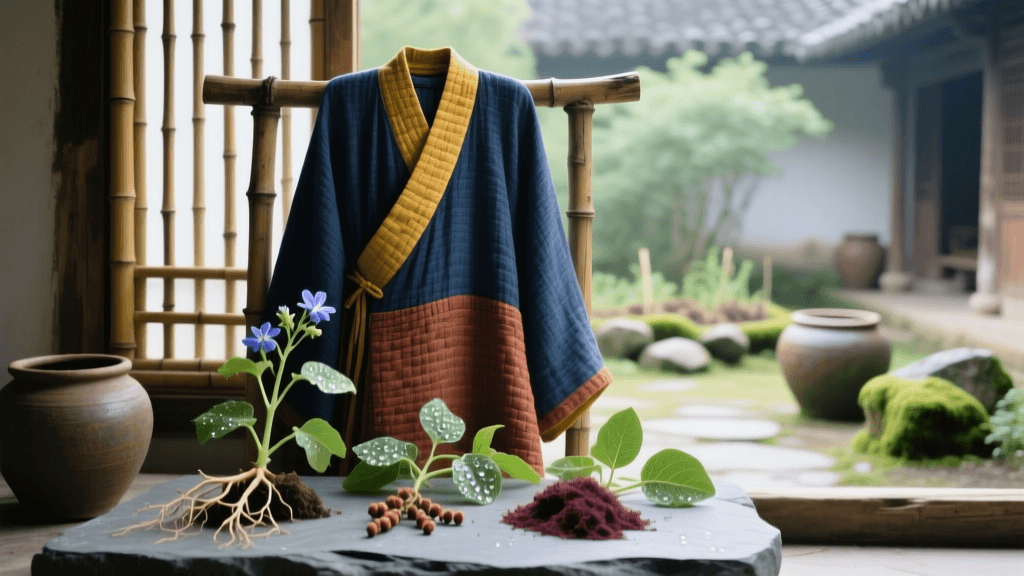
The 2026 Renaissance of Botanical Dyes in Hanfu Fashion
As the global fashion industry faces mounting pressure to reduce its environmental footprint, the traditional Chinese art of botanical dyeing—known as Cao Mu Ran (草木染)—is experiencing a massive renaissance in 2026. For modern Hanfu enthusiasts and sustainable fashion designers alike, the shift away from synthetic azo dyes is no longer just a niche preference; it is an ecological necessity. According to Fashion Revolution, the textile dyeing process remains one of the largest polluters of water globally. However, the revival of ancient Chinese natural dye plants offers a biodegradable, non-toxic, and culturally rich alternative that perfectly aligns with the 2026 sustainability mandates.
Today, independent Hanfu studios and large-scale heritage brands are turning to indigenous Chinese flora to achieve the vibrant, historically accurate colors seen in Ming and Song dynasty garments. By utilizing eco-friendly reducing agents and organic mordants, artisans are proving that traditional craftsmanship can lead the charge in modern sustainable fashion.
Essential Chinese Natural Dye Plants for 2026
The foundation of any natural dye studio lies in understanding the botanical properties of the plants used. Below are the most prominent Chinese dye plants dominating the sustainable Hanfu market this year.
1. Indigo (Lancao / 蓝草)
Indigo is the undisputed king of natural blue dyes. In China, Persicaria tinctoria (Chinese indigo) and Isatis tinctoria (Woad) have been cultivated for millennia. The Royal Botanic Gardens, Kew notes that indigo-bearing plants contain the precursor molecule indican, which, through fermentation and oxidation, yields the iconic deep blue pigment. In 2026, organic indigo farms in Guizhou and Yunnan provinces have optimized their fermentation techniques, producing highly concentrated, chemical-free indigo paste that requires no synthetic sodium dithionite to reduce.
2. Gambier / Shulang (薯莨)
Dioscorea cirrhosa, known as Shulang, is the vital ingredient in creating Xiangyunsha (Gambiered Canton Gauze), a luxurious silk textile recognized as an intangible cultural heritage. The tubers are rich in tannins and yield a deep reddish-brown color. When this tannin-rich silk is coated with iron-rich river mud, a chemical reaction occurs, turning the fabric a brilliant, lustrous black on one side and brown on the other. This entirely natural, zero-waste process is highly sought after in 2026 for high-end, breathable summer Hanfu.
3. Madder (Qiancao / 茜草)
Rubia cordifolia (Chinese Madder) is the premier source of natural reds and terracottas. The roots contain alizarin and purpurin, which bind beautifully to protein fibers like silk and wool. Madder requires a mordant to achieve colorfastness, and modern dyers are increasingly using bio-mordants like soy milk and symplocos (a natural aluminum-accumulating plant) to avoid heavy metal pollution.
4. Pagoda Tree (Huaihua / 槐花)
The unopened flower buds of the Sophora japonica (Pagoda Tree) yield brilliant, sunlit yellows. Historically reserved for imperial garments, Huaihua is now widely available to eco-conscious dyers. It contains rutin, a flavonoid that produces exceptionally vibrant yellows when mordanted with alum.
Comparison Chart: 2026 Natural Dye Plant Profiles
When planning a sustainable Hanfu collection, understanding the yield, cost, and fastness of your botanical ingredients is crucial. Below is a comparative guide based on 2026 market data for organic, ethically sourced dye materials.
| Plant (Pinyin) | Botanical Name | Color Yield | Mordant Required | Lightfastness | 2026 Cost (USD/kg) |
|---|---|---|---|---|---|
| Lancao (Indigo) | Persicaria tinctoria | Deep Blue | None (Vat Dye) | Excellent | $45.00 (Paste) |
| Shulang (Gambier) | Dioscorea cirrhosa | Brown / Black | Iron (River Mud) | Excellent | $32.00 (Dried Tuber) |
| Qiancao (Madder) | Rubia cordifolia | Red / Terracotta | Alum / Soy Milk | Good | $55.00 (Root) |
| Huaihua (Pagoda) | Sophora japonica | Vibrant Yellow | Alum | Moderate | $28.00 (Buds) |
Eco-Friendly Mordanting and Reducing Agents
Historically, natural dyeing sometimes relied on toxic heavy metals like chrome or tin to fix colors. In 2026, the standard for sustainable Hanfu production strictly prohibits these. Instead, artisans use eco-friendly alternatives:
- Organic Alum (Potassium Aluminum Sulfate): Used in very low concentrations (8-10% weight of fabric) to brighten and fix yellows and reds without harming waterways.
- Soy Milk Binder: A traditional Chinese technique where fabric is soaked in unfermented, high-protein soy milk before dyeing. The plant proteins bind to cellulose fibers (like ramie and cotton), allowing them to accept natural dyes as readily as silk.
- Fructose Vat Reduction: Instead of using toxic hydrosulfite to remove oxygen from an indigo vat, modern dyers use a mixture of organic fructose, calcium hydroxide (pickling lime), and heat. This 'sugar vat' is completely safe, biodegradable, and yields incredibly clear blues.
Step-by-Step Guide: Dyeing Silk with an Eco-Friendly Indigo Vat
Creating a sustainable indigo vat at home or in a small studio is highly achievable. Here is a precise, actionable recipe for dyeing 100 grams of raw silk Hanfu fabric in 2026.
Materials Needed:
- 100g raw silk fabric (scoured and pre-wetted)
- 20g natural indigo paste (50% concentration)
- 40g calcium hydroxide (slaked lime)
- 50g organic fructose powder
- 10 Liters of distilled or filtered water
- A stainless steel or enamel dye pot with a tight-fitting lid
- A digital thermometer
The Process:
- Prepare the Bath: Heat the 10 liters of water to exactly 50°C (122°F). Maintain this temperature throughout the reduction process.
- Add Alkali: Slowly stir in the calcium hydroxide. The water will become cloudy and highly alkaline (pH 11-12).
- Add the Sugar: Stir in the fructose powder. This acts as the reducing agent, consuming the dissolved oxygen in the water.
- Introduce Indigo: Gently whisk in the indigo paste. Cover the pot tightly to prevent oxygen from re-entering.
- Reduction Phase: Let the vat sit undisturbed for 45 to 60 minutes. The liquid should turn a clear, yellowish-green, with a coppery, metallic scum (the 'indigo flower') on the surface.
- Dyeing: Gently lower your wet silk into the vat, ensuring no air bubbles are trapped. Leave it submerged for 10 minutes.
- Oxidation: Remove the silk and expose it to the air. Watch as the fabric magically transforms from yellow-green to a brilliant, deep blue as the indigo oxidizes.
- Repeat: For darker shades, repeat the dipping and oxidation process 4 to 6 times.
- Neutralize and Wash: Rinse the fabric in a mild citric acid bath (1 tablespoon per liter of water) to neutralize the alkali, then wash with a pH-neutral eco-detergent.
Sourcing, Heritage, and Sustainability in 2026
The provenance of your dye plants matters just as much as the chemistry. The Metropolitan Museum of Art highlights the deep historical intertwining of silk sericulture and botanical dyeing in Chinese history, a legacy that modern consumers are eager to protect. In 2026, ethical sourcing platforms have emerged, allowing dyers to trace their Shulang tubers and Lancao leaves directly to regenerative farms in Southern China.
These farms utilize intercropping methods, planting dye crops alongside tea and bamboo to prevent soil erosion and promote biodiversity. Furthermore, the water used in modern eco-dye studios is heavily regulated and often filtered through bio-charcoal and reed-bed systems before being returned to the earth, ensuring that the pursuit of beautiful Hanfu does not come at the cost of the environment.
Conclusion
The integration of Chinese natural dye plants into contemporary Hanfu production represents a beautiful synthesis of ancient wisdom and modern ecological responsibility. By mastering the use of Indigo, Gambier, Madder, and Pagoda Tree—alongside safe, organic mordants and reducing agents—artisans in 2026 are crafting garments that are not only visually breathtaking but also deeply respectful of the planet. As the sustainable fashion movement continues to evolve, the roots, leaves, and flowers of China's botanical heritage will undoubtedly remain at the forefront of the eco-friendly textile revolution.