Douyin Street Fashion: Styling Hanfu for the Modern Guochao Trend
The Rise of Guochao Streetwear on Douyin
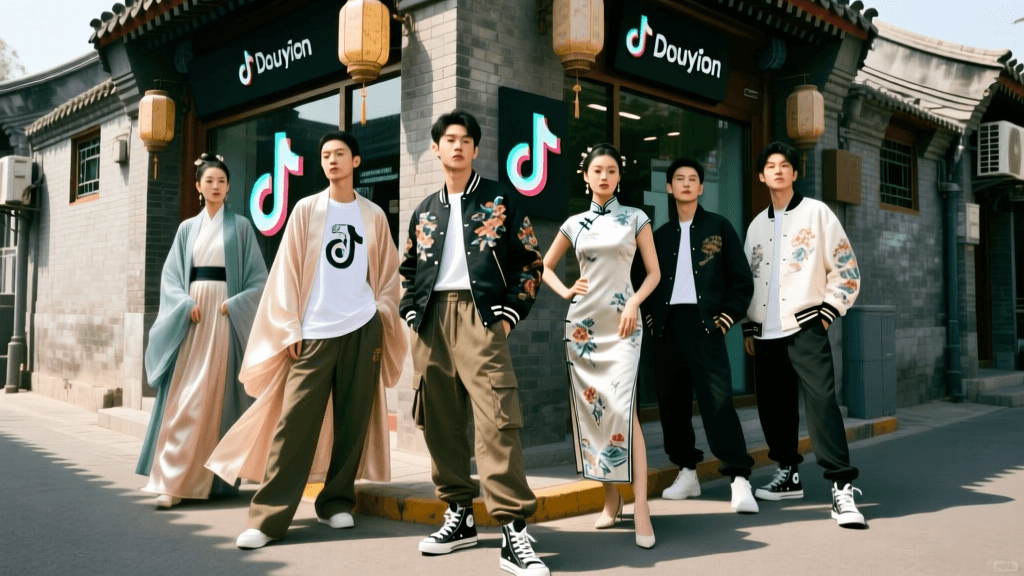
Over the past few years, the Chinese short-video platform Douyin (the domestic counterpart to TikTok) has become the primary catalyst for transforming traditional Chinese clothing from niche historical cosplay into a dominant force in global street fashion. This phenomenon is deeply intertwined with the Guochao (National Trend) movement, a cultural shift where young Chinese consumers actively seek out domestic brands and heritage aesthetics, recontextualizing them for modern urban life. According to industry analyses on Jing Daily's fashion coverage, the Guochao movement has evolved from simple logo placement to a sophisticated integration of traditional silhouettes, textiles, and craftsmanship into everyday streetwear.
On Douyin, influencers are no longer just wearing Hanfu for photoshoots in scenic gardens; they are styling it for the subway, the skatepark, and the neon-lit streets of Chengdu and Shanghai. The "Douyin Hanfu" aesthetic relies on juxtaposition: pairing a centuries-old pleated skirt with a graphic crop top, or layering a traditional half-sleeve jacket over a modern turtleneck. For sartorial enthusiasts and designers globally, understanding this digital-to-street pipeline offers a masterclass in how heritage garments can be adapted for contemporary mobility, climate, and lifestyle.
Deconstructing the Core Garments
To recreate the influencer looks seen on your Douyin feed, you must first understand the foundational garments that make up the streetwear Hanfu hybrid. Influencers primarily rely on three highly adaptable pieces:
1. The Mamianqun (Horse-Face Skirt)
The undisputed queen of Guochao street fashion is the Mamianqun. Traditionally, this skirt features two flat, unpleated panels (the "horse faces") at the front and back, with heavily pleated sides. It wraps around the body and is tied at the waist. For street fashion, the structural integrity of the pleats provides a striking, architectural silhouette that mimics high-fashion midi skirts. Douyin influencers often opt for jacquard-woven fabrics featuring subtle metallic threads or dark, moody damask patterns that catch the light during slow-motion street-walk transitions.
2. Songku (Song Dynasty Trousers)
For a more androgynous or utilitarian streetwear look, influencers turn to Songku. These are wide-leg trousers that offer immense comfort and a fluid drape. In a streetwear context, they are frequently styled like modern hakama pants or wide-leg suit trousers, bridging the gap between traditional martial arts practice wear and contemporary tech-wear.
3. Banbi (Half-Sleeve Jacket)
The Banbi is a short-sleeved or half-sleeved jacket that historically served as a casual outer layer. On Douyin, it has been reclaimed as the ultimate layering piece. Worn open over a graphic tee or belted over a slip dress, the Banbi adds a structured, historical collar and sleeve shape without the bulk of full-length traditional robes.
Actionable Styling Guide: Recreating the Influencer Look
Translating these garments from the screen to your own wardrobe requires an understanding of proportion, modern accessories, and urban practicality. Here is a practical guide to achieving the Douyin streetwear aesthetic.
Mastering Proportions and Layering
- The Rule of Thirds: Traditional Hanfu often obscures the waistline, favoring a columnar silhouette. Streetwear Hanfu deliberately manipulates proportions. Tuck a fitted ribbed turtleneck or a cropped graphic tee into the high waistband of a Mamianqun to create a defined waist and elongate the legs.
- Winter Layering: Influencers frequently layer modern outerwear over traditional inner layers. A popular Douyin winter formula involves a thermal base layer, a cross-collar Shangyi (top), a thick knit cardigan, and an oversized vintage leather bomber jacket. The contrast between the delicate traditional collar and the rugged leather is a hallmark of the aesthetic.
- Color Blocking: Move away from historically accurate pastel palettes. The Douyin street style favors high-contrast color blocking—think a monochrome black Mamianqun paired with a neon green or stark white top, or deep oxblood reds paired with charcoal grey tech-wear jackets.
Footwear and Accessories
Footwear is where the "street" in streetwear truly manifests. The traditional embroidered cloth shoes are almost entirely replaced in this subculture.
- Chunky Sneakers and Boots: Platform sneakers, chunky loafers, and combat boots (like Dr. Martens) are the standard. The heavy, aggressive sole of a combat boot grounds the delicate pleats of the Mamianqun, creating a punk-infused historical look.
- Modern Hardware: Swap traditional silk sashes for belts with heavy metal O-rings or industrial buckles.
- Hair Styling: Instead of elaborate, time-consuming updos, Douyin influencers favor sleek, modern hair with a single, striking traditional accent. A minimalist jade hairpin, a silver guan (crown) securing a messy bun, or even traditional velvet ribbons woven into modern braids provide just enough cultural signposting without looking like a costume.
Comparison Chart: Traditional vs. Douyin Streetwear Hanfu
Understanding the physical and practical differences between historical accuracy and modern adaptation is crucial for sourcing and styling. The table below breaks down the key modifications made for the urban environment.
| Feature | Traditional Hanfu | Douyin Street-Hanfu (Modified) |
|---|---|---|
| Skirt Length | 100cm - 110cm (Floor-sweeping) | 70cm - 85cm (Midi/Calf-length) |
| Hem Circumference | 4.5m to 6m (Maximum pleat volume) | 3m to 4m (Reduced for subway/stairs) |
| Waistband (Yaotou) | 6cm - 10cm stiff fabric, tied with sashes | 3cm - 5cm, often elasticized or velcro |
| Top Layering | Cross-collar, tied with internal/external strings | Snaps, hidden zippers, or worn as outer vests |
| Dressing Time | 10 - 15 minutes (Complex tying) | 1 - 3 minutes (Slip-on, elastic, zippers) |
| Primary Footwear | Embroidered flat cloth shoes | Chunky sneakers, combat boots, loafers |
Sourcing, Search Terms, and Cost Breakdown
For international enthusiasts looking to build a Guochao streetwear wardrobe, Taobao and specialized indie brands are the primary sourcing hubs. The broader revival of these garments, extensively covered in the South China Morning Post's Hanfu topic archive, has led to a massive boom in accessible, ready-to-wear options that do not require custom tailoring.
When searching on platforms like Taobao or AliExpress, using the correct Mandarin search terms is essential to finding modern, street-ready pieces rather than delicate cosplay replicas:
- 日常汉服 (Rìcháng Hànfú): "Daily Hanfu" - Indicates practical, washable, and easy-to-wear pieces.
- 改良马面裙 (Gǎiliáng Mǎmiànqún): "Modified Mamianqun" - Yields skirts with elastic waists, zippers, and shorter lengths.
- 汉元素 (Hàn Yuánsù): "Han-elements" - Refers to modern clothing that incorporates traditional collars, closures, or patterns without strictly adhering to historical patterns.
Cost Brackets
The market is highly stratified, catering to everyone from college students to luxury streetwear collectors:
- Entry-Level / Fast Fashion (100 - 250 RMB / $15 - $35 USD): Mass-produced polyester blends. Good for experimenting with silhouettes, but pleats may lose their shape after washing. Often requires ironing.
- Mid-Tier Indie Brands (300 - 700 RMB / $45 - $100 USD): The sweet spot for Douyin influencers. These brands use high-quality jacquards, cotton-linen blends, and feature permanent, heat-set pleats. Hardware (like metal D-rings) is usually upgraded.
- High-End Guochao Designers (1,200 - 3,500+ RMB / $170 - $500+ USD): Independent designers who blend traditional intangible cultural heritage techniques (like Suzhou embroidery or Xiangyunsha silk) with avant-garde streetwear cuts. These are investment pieces.
Fabric Tech for Urban Mobility
One of the most critical, yet overlooked, aspects of the Douyin streetwear trend is the shift in textile choices. Traditional Hanfu relies heavily on delicate silks, lightweight gauzes, and raw linens that wrinkle easily and stain upon contact with rain or city grime. Urban mobility demands resilience.
Market reports analyzing regional consumer shifts, such as those found on the Business of Fashion's China market hub, highlight a growing consumer demand for heritage aesthetics that do not sacrifice modern performance. Consequently, streetwear Hanfu brands are pioneering the use of alternative fabrics:
- Polyester-Crepe Blends: Used heavily in modified Mamianqun. These fabrics mimic the drape and sheen of silk but are machine washable, wrinkle-resistant, and hold sharp, permanent pleats even after being sat on during long commutes.
- Tech-Wear Nylons: Some avant-garde brands are producing Songku (trousers) and Banbi (jackets) using water-resistant, ripstop nylon. This merges the traditional silhouette with the utilitarian, multi-pocket functionality of modern tech-wear, perfect for rainy urban climates.
- Denim and Canvas: Heavyweight cotton canvas and denim are increasingly used for outer jackets and skirts, providing a rugged, structured look that ages beautifully and withstands the friction of skateboarding or cycling.
Conclusion
The Douyin street fashion movement has successfully rescued Hanfu from the confines of museum replicas and niche cosplay, injecting it with the pulse of contemporary youth culture. By understanding the structural modifications, mastering the art of modern juxtaposition, and sourcing the right performance fabrics, anyone can participate in the Guochao movement. It is a testament to the fact that traditional garments are not static relics of the past, but living, breathing textiles that continue to evolve alongside the people who wear them.