Recreating the Chiton & Toga: 2026 Reenactor's Fabric & Drape Guide
The 2026 Renaissance of Classical Antiquity Garments
The year 2026 has brought a remarkable renaissance to classical antiquity reenactment, immersive historical theater, and living history museums. Modern enthusiasts and professional costumers are moving away from the synthetic, mass-produced costumes of the past decade, demanding rigorous textile authenticity. Whether you are preparing for a major Hellenic festival, portraying a Roman senator in an immersive educational program, or designing for a stage production, understanding the precise engineering of ancient drapery is essential. This comprehensive guide explores the construction, fabric sourcing, and draping techniques for the foundational garments of ancient Greece and Rome: the chiton, the toga, and the stola.
The Greek Chiton: Doric vs. Ionic
The chiton was the fundamental body garment for both men and women in ancient Greece. However, it was not a single, uniform design. The two primary variations—the Doric chiton (often referred to as the peplos) and the Ionic chiton—required entirely different fabrics, measurements, and draping methodologies. According to the Metropolitan Museum of Art's Heilbrunn Timeline of Art History, the distinction between these garments was deeply tied to regional identities, climate, and the evolution of Greek textile weaving.
Comparing the Doric and Ionic Styles
| Feature | Doric Chiton (Peplos) | Ionic Chiton |
|---|---|---|
| Primary Fabric | Heavyweight worsted wool | Lightweight, finely woven linen or silk |
| Fabric Width | Wearer's body width + 12 to 18 inches | Twice the wearer's arm span (very wide) |
| Fastening Method | Single large fibula (brooch) per shoulder | Multiple small pins, buttons, or sewn seams along the arm |
| The Apoptygma | Deep overfold at the top edge, hanging to the waist | Rarely used; relies on complex belting for blousing |
| Side Seams | Typically left open on the left side | Fully sewn closed into a tube |
Sourcing Authentic Textiles in 2026
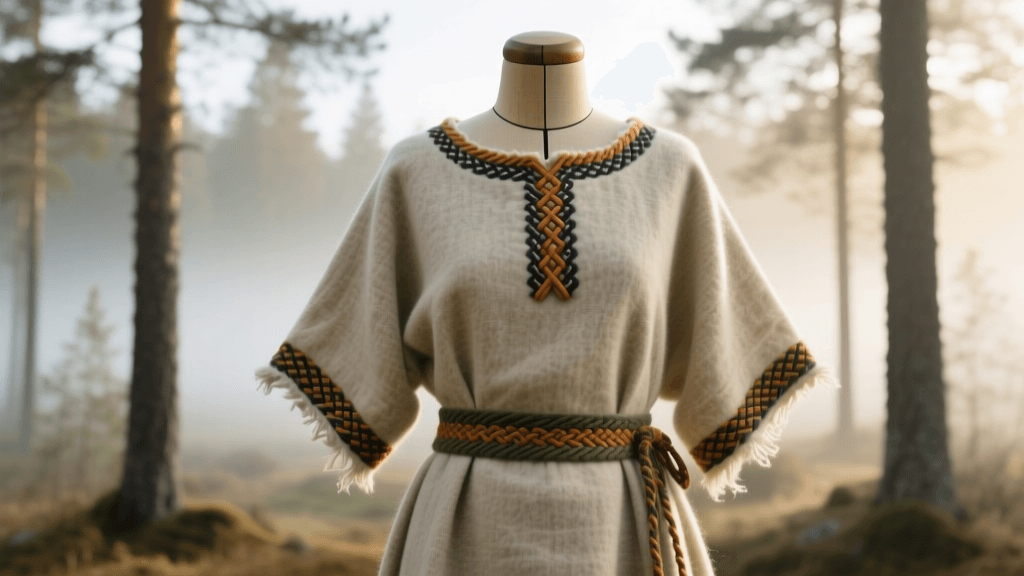
To achieve an authentic drape, the weight and weave of your fabric are non-negotiable. In 2026, heritage European mills have seen a surge in demand for historically accurate textiles. For a Doric peplos, you must source a heavyweight wool (at least 8 to 10 oz per square yard) with a tight twill or plain weave. This weight is necessary to hold the deep folds of the apoptygma and allow the fabric to hang heavily against the body without excessive belting. Expect to pay between $45 and $65 per yard for premium historical-grade wool in the current market.
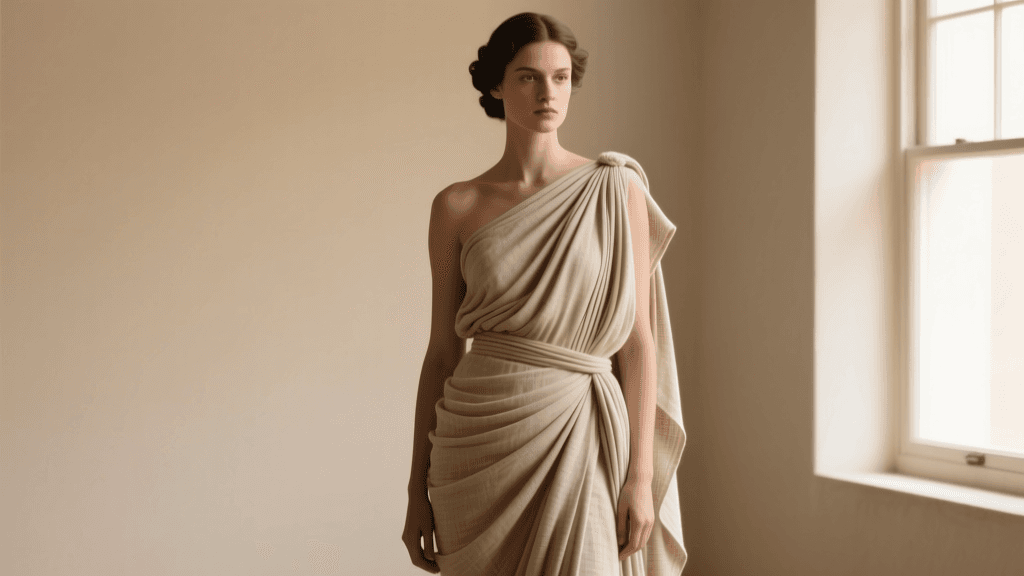
For the Ionic chiton, the fabric must be diaphanous and fluid. Look for lightweight, semi-sheer linen (around 3.5 to 4.5 oz per square yard) or raw silk habotai. Modern linen from Eastern European heritage mills offers the best slub and drape, typically retailing for $28 to $40 per yard in 2026. Avoid modern, stiffened linens meant for upholstery or heavy crafts; they will not gather properly at the shoulder pins.
The Roman Toga: Engineering the Drape
No garment in the ancient world is more misunderstood than the Roman toga. Far from a simple bedsheet wrapped around the body, the toga was a complex, highly structured symbol of Roman citizenship. As detailed by the Met Museum's comprehensive guide to Roman Dress, the toga's shape evolved significantly from the early Republic to the late Empire, culminating in the massive, elliptical garment of the Imperial era.
Measurements and Cutting the Toga
To recreate an authentic Imperial-era toga virilis (the plain white toga of the adult male citizen), you will need an immense amount of fabric. The garment is cut in a semi-circular or elliptical shape. For an average adult male in 2026, the dimensions should be approximately 18 to 20 feet in length and 7 to 8 feet in width at the center, tapering to rounded points at the ends.
- Fabric Choice: Medium-weight wool flannel or a heavily fulled wool blend. The fabric must have a brushed, slightly felted nap to allow the layers to grip one another and prevent the drape from slipping off the shoulder.
- Edge Finishing: Authentic togas were not hemmed in the modern sense. The edges were finished with a tablet-woven border or left with a tightly fulled, self-finished edge to prevent fraying while maintaining flexibility.
- Color: Use undyed, naturally off-white or cream wool. The bright, bleached white toga (toga candida) was reserved for political candidates and required harsh chalk treatments that degraded the wool.
Mastering the Sinus and Umbo
The hallmark of a properly draped toga is the creation of the sinus (the deep, pouch-like fold that drapes across the chest and can be pulled over the head) and the umbo (the decorative knot or cluster of folds at the center of the chest). Achieving this requires the assistance of a vestiplicus (a slave or servant dedicated to dressing). For modern reenactors, a dressing partner is mandatory. The fabric must be pleated meticulously before wrapping, and the tension must be adjusted continuously to ensure the left arm is restricted while the right arm remains free for oration and gesturing.
The Stola: Dressing the Roman Matron
While the toga was the domain of male citizens, the stola was the traditional garment of the respectable Roman married woman (matrona). Unlike the wrapped toga, the stola was a sewn garment, worn over a linen undertunic (subucula) and beneath a palla (cloak).
The stola was characterized by its instita—a wide, decorative band or ruffle at the hem—and its suspension from the shoulders by small straps or loops. In 2026, historical costumers are favoring fine, lightweight worsted wool or high-quality linen for the stola, often dyed in rich, historically accurate colors using natural madder root (reds and oranges) or woad and indigo (blues). The stola should be cut with a generous A-line flare, utilizing about 4 to 5 yards of 60-inch-wide fabric, with a deep, pleated hem band that adds weight and swing to the garment.
Step-by-Step Draping Guide for the Ionic Chiton
For those new to classical draping, the Ionic chiton is the most forgiving and versatile garment to master. Follow these steps for a historically accurate fit:
- Prepare the Fabric: Cut a rectangle of lightweight linen. The width should be twice your arm span (from fingertip to fingertip when arms are outstretched). The length should be from your shoulder to the floor, plus 8 inches for blousing.
- Sew the Tube: Fold the fabric in half widthwise and sew the side seam, leaving the top 12 inches open for armholes. Hem all raw edges.
- Pin the Shoulders: Put the tube on. Starting at the center front of your neck, pinch the front and back layers together and pin them with small fibulae or sew them with thread loops. Continue pinning along the top of the arm, leaving gaps for the arm to pass through. Repeat on the other side.
- Belt and Blouse: Tie a woven wool cord or leather belt around your natural waist. Pull the fabric up and over the belt to create a deep blouse (kolpos) that hides the belt entirely. Adjust the hem so it falls evenly at the ankles.
- Cross-Belt (Optional): For a more structured look, add a second belt under the bust, crossing it in the back and tying it in the front, pulling the fabric taut to create a fitted bodice effect.
Accessories: The Final Touches of Authenticity
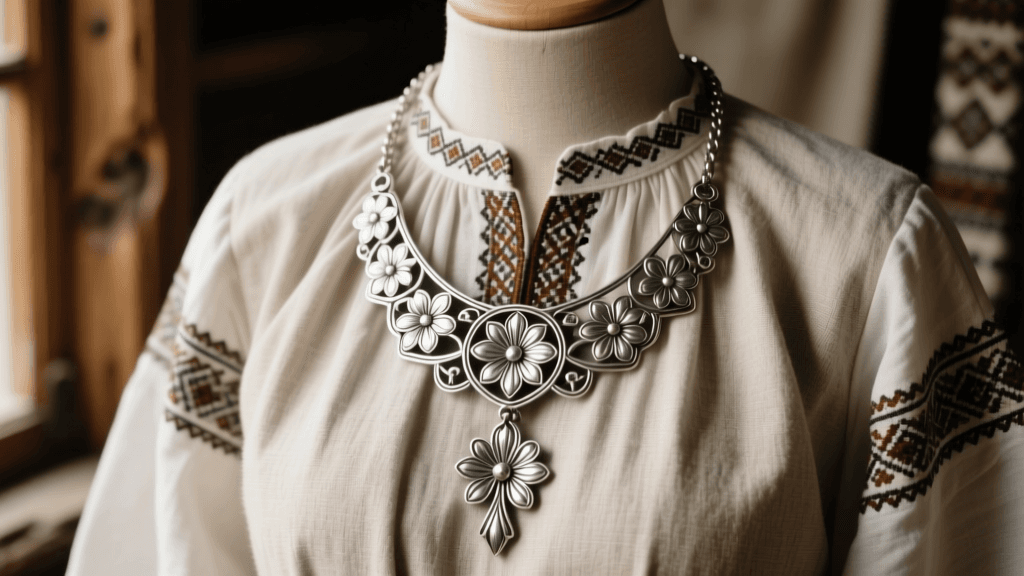
No classical garment is complete without the proper accessories. In 2026, the revival of ancient metalworking techniques has made it easier than ever to source accurate hardware. Avoid cheap, cast zinc-alloy replicas. Instead, invest in hand-forged bronze or iron fibulae (brooches) for your chiton and peplos. The tension of the spring on a historically accurate bow fibula is crucial for gripping heavy wool without tearing it.
Footwear is equally important. The Greek sandalia and Roman calcei (enclosed leather shoes) or soleae (sandals) should be made from vegetable-tanned leather, stitched with linen thread, and tied with leather thongs. Avoid modern rubber soles; authentic leather soles not only look correct but also force the wearer to adopt the distinct, measured gait characteristic of classical antiquity.
Conclusion
Recreating the garments of ancient Greece and Rome is an exercise in architectural draping and textile science. By abandoning modern shortcuts and embracing the heavy wools, diaphanous linens, and complex geometry of the chiton, toga, and stola, modern reenactors and designers can achieve a level of historical immersion that was previously relegated to museum exhibits. As we move through 2026, the commitment to authentic materials and precise draping techniques continues to elevate the standard of classical living history, bringing the ancient world to life with every fold and pin.