Breathe New Life Into Vintage Silk: DIY Kimono Upcycling
The Renaissance of the Kimono: Sustainable Fashion Meets Heritage
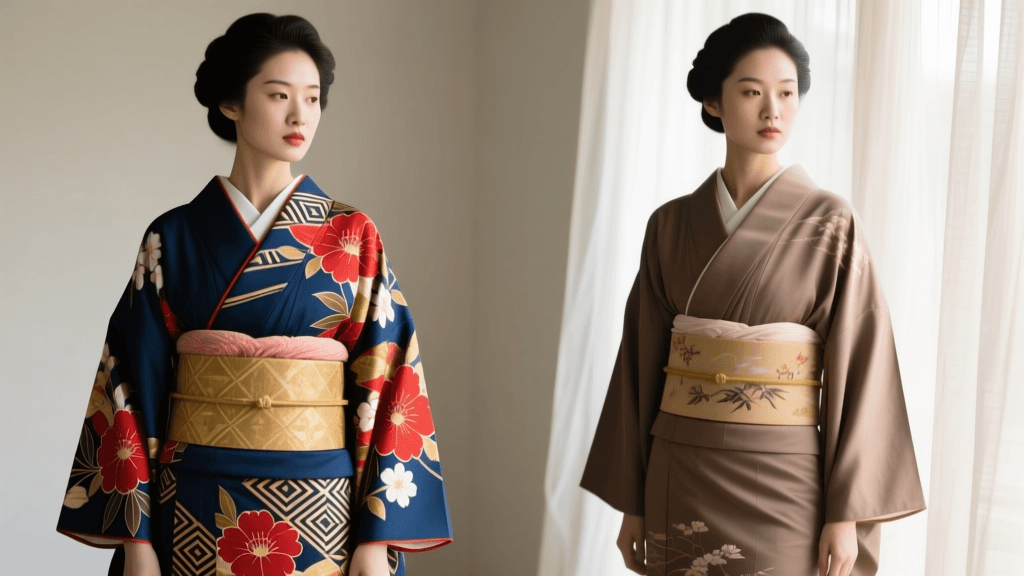
In the global push toward sustainable and circular fashion, vintage Japanese garments have emerged as a treasure trove for DIY enthusiasts and designers alike. The traditional kimono, with its intricate dyeing techniques and luxurious silk textiles, offers a unique canvas for modern repurposing. However, upcycling a kimono is not merely about cutting up old fabric; it is an exercise in cultural appreciation, textile conservation, and the Japanese philosophy of mottainai—a profound sense of regret concerning waste.
Historically, kimono were rarely discarded. When a garment showed wear, it was unpicked, reversed, re-dyed, or passed down. The Victoria and Albert Museum's Japanese collections highlight how these textiles have influenced global sartorial trends for centuries. Today, by upcycling damaged or unwearable kimono, we honor this lineage of longevity, transforming forgotten silk into contemporary wardrobes and home decor.
Sourcing and Preparing Vintage Silk
Before you make your first cut, understanding where to source and how to prepare your materials is crucial. In Japan, second-hand kimono can be found in 'recycle shops' (like Hard-Off or Book-Off) or specialized antique markets for as little as $5 to $15 USD. Outside of Japan, platforms like Etsy, eBay, and local estate sales are excellent resources. When sourcing, look for garments with staining or tears in non-essential areas, as the majority of the fabric bolt will remain pristine.
The Anatomy of a Kimono Bolt
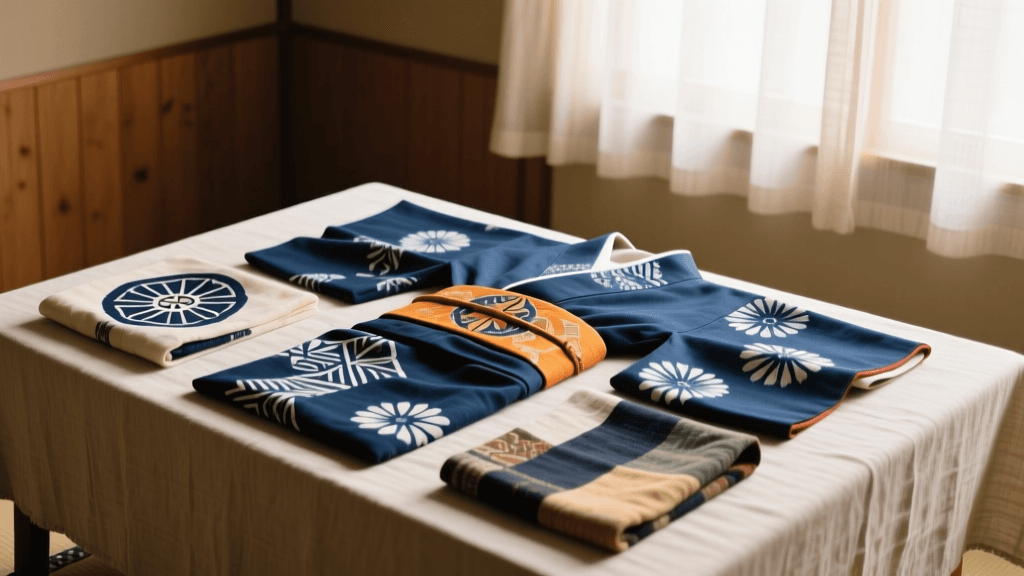
Unlike Western garments that are cut from wide fabric bolts with curved armholes and tailored darts, a kimono is constructed from a single bolt of fabric called a tanmono. This bolt is woven to a standard width of approximately 14 to 15 inches (36 to 38 cm). The garment is made entirely of straight, rectangular panels. This is a massive advantage for upcyclers: when you unpick the seams of a kimono, you are left with long, continuous strips of pristine silk, free from the awkward curves and seam allowances of Western tailoring.
Preparation Steps:
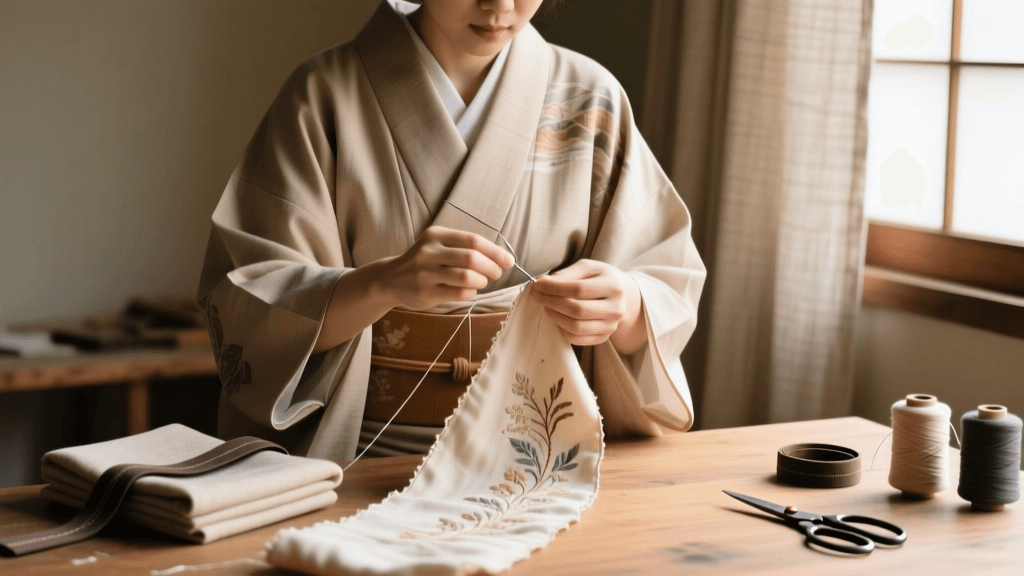
- Unpicking: Use a seam ripper or small, blunt-tipped embroidery scissors to carefully remove the stitching. Avoid pulling the threads, which can distort the delicate silk weave.
- Cleaning: Vintage silk should rarely be machine washed. Hand wash the unpicked panels in cool water using a no-rinse, pH-neutral detergent like Eucalan Fine Fabric Wash. Gently press out water by rolling the silk in a clean cotton towel, then lay flat to dry away from direct sunlight.
- Pressing: Use a low-heat iron with a silk pressing cloth. Steam can cause water spots on certain vintage dyes, so test a small corner first.
Top DIY Kimono Upcycling Projects
Depending on your sewing skill level and the condition of your sourced garments, there are numerous ways to repurpose these textiles. Below is a comparison chart to help you choose your next project.
| Project | Difficulty | Time Estimate | Fabric Required | Ideal Source Material |
|---|---|---|---|---|
| Modern Haori Cardigan | Beginner | 2-4 Hours | 1 Full Haori | Vintage Haori (Silk or Synthetic) |
| Obi Crossbody Bag | Intermediate | 5-7 Hours | 1/3 of an Obi | Maru or Fukuro Obi (Brocade) |
| Silk Camisole / Top | Advanced | 6-8 Hours | 2-3 Panels | Unlined Hitoe Kimono (Habutai Silk) |
| Patchwork Quilt | Intermediate | 15+ Hours | Multiple Kimono | Damaged/Stained Kimono (Chirimen) |
1. The Modern Haori Cardigan
The haori is a traditional hip- or thigh-length jacket worn over a kimono. Because its silhouette closely resembles a modern open-front duster or cardigan, it is the most accessible upcycling project. To modernize a vintage haori, you do not need to cut the fabric. Simply remove the small, front tie cords (haori himo) and replace them with modern toggle clasps or hidden magnetic snaps. If the lining is torn, carefully unpick it and sew in a breathable, contrasting cotton voile or silk charmeuse lining. Cost of materials: $15 for the haori, $10 for lining and hardware.
2. Obi Crossbody Bag and Accessories
The obi (the sash used to tie a kimono) is woven with heavy, stiff brocade threads, often incorporating metallic gold or silver. According to the Japan National Tourism Organization, traditional weaving hubs like Nishijin in Kyoto produce obi that are considered masterpieces of textile art. Because obi are incredibly durable and naturally stiff, they are perfect for structured bags, laptop sleeves, or wide statement belts. You will need heavy-duty denim or leather needles (size 90/14 or 100/16) to pierce the dense brocade.
3. Silk Scarves and Pocket Squares
If you have a kimono with beautiful yuzen (resist-dyed) or shibori (tie-dyed) patterns but significant damage to the main body, salvage the pristine hem and sleeve panels. Cut these into 8x8 inch squares for luxury pocket squares, or 10x70 inch rectangles for elegant wrap scarves. Finish the edges with a hand-rolled hem for a high-end, artisanal look.
Essential Sewing Techniques for Slippery Silk
Sewing with vintage kimono silk—particularly chirimen (crepe) and rinzu (damask)—can be notoriously difficult due to the fabric's slippery nature and tendency to fray. To achieve professional results, you must adapt your toolkit and techniques.
Needles, Pins, and Interfacing
- Needles: Discard universal needles. Use Schmetz Microtex or Sharp needles in size 60/8 or 70/10. These have a very slim, acute point that slides between silk threads rather than piercing and breaking them, which prevents 'snags' and 'runs' in the fabric.
- Pins: Use extra-fine silk pins or glass-head pins. Standard dressmaking pins will leave permanent holes in tightly woven habutai silk.
- Interfacing: Because vintage silk is often lightweight and fluid, you must stabilize it before cutting structured pieces like bag panels or collars. Use a high-quality, woven, fusible interfacing like Pellon SF101 Shape-Flex. Apply it with a low-heat iron and a Teflon pressing sheet to protect the metallic threads or delicate dyes from scorching.
The Tissue Paper Trick
If your sewing machine is 'eating' the silk or the fabric is shifting while you sew, place a layer of plain tissue paper or tear-away stabilizer underneath the silk as you feed it through the machine. The feed dogs will grip the paper, pulling the silk through evenly. Once sewn, simply tear the paper away from the seam line.
Seam Finishes
Silk frays aggressively the moment it is cut. To prevent your upcycled garment from unraveling in the wash, avoid simple zig-zag stitches. Instead, utilize French seams. This technique encloses the raw edge entirely within the seam itself, providing a clean, high-end finish that mimics the interior of a luxury garment. For heavier obi fabrics, binding the raw edges with cotton bias tape is a more effective and historically resonant choice.
Honoring the Heritage: Cultural Considerations
While upcycling is a fantastic way to save textiles from landfills, it is vital to approach the kimono with cultural respect. The Kyoto Costume Institute extensively documents the evolution of Japanese dress, reminding us that these garments are deeply tied to social status, seasons, and life events.
'When cutting into a vintage kimono, avoid destroying the kamon (family crests) or the hiyoku (the decorative inner collar layer) if they can be preserved. If a garment is fully intact, in pristine condition, and historically significant, consider wearing it or selling it to a collector rather than cutting it. Reserve the scissors for garments that are stained, torn, or otherwise unwearable.'
Furthermore, understanding the motifs on your fabric adds depth to your upcycled piece. Cranes represent longevity, cherry blossoms signify the fleeting nature of life, and pine trees denote endurance. By learning to read these symbols, you transform a simple sewing project into an act of storytelling, carrying the original artisan's intentions into the modern era.
Conclusion
DIY kimono upcycling bridges the gap between ancient Japanese craftsmanship and modern sustainable fashion. By mastering the deconstruction of the tanmono bolt, utilizing the correct micro-needles and interfacings, and approaching the textile with cultural reverence, you can create breathtaking, one-of-a-kind garments. Whether you are crafting a structured brocade bag from a retired obi or a flowing silk camisole from a damaged hitoe, you are participating in a centuries-old tradition of ensuring that beautiful textiles never go to waste.