Bavarian Dirndl vs Norwegian Bunad: 2026 Sourcing Guide
The 2026 Shift Toward Authentic Regional Tracht
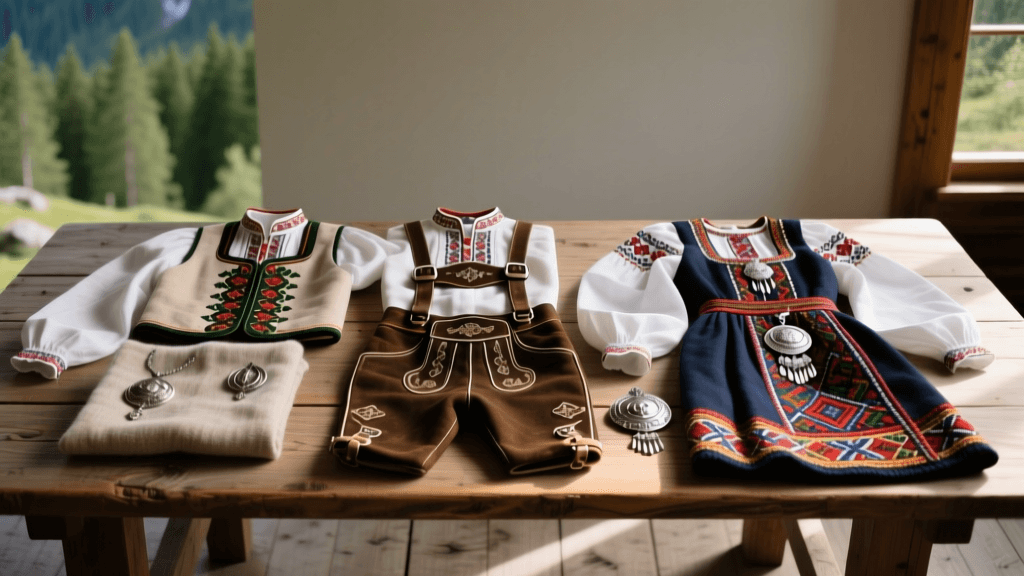
As we move through 2026, the European folk dress market has decisively pivoted away from mass-produced, synthetic festival costumes toward hyper-local, heirloom-quality garments. Collectors, cultural enthusiasts, and participants in traditional festivals are increasingly demanding historical accuracy, sustainable textiles, and artisanal craftsmanship. Nowhere is this contrast more fascinating than when comparing the Alpine elegance of the Bavarian Dirndl with the Nordic heritage of the Norwegian Bunad. While both garments serve as powerful symbols of regional identity, their construction, sourcing requirements, and cultural rules differ vastly. This comprehensive guide will help you navigate the 2026 market for authentic European folk dress, providing actionable advice on measurements, textile care, and regional sourcing.
Anatomy of the Bavarian Dirndl: Alpine Elegance
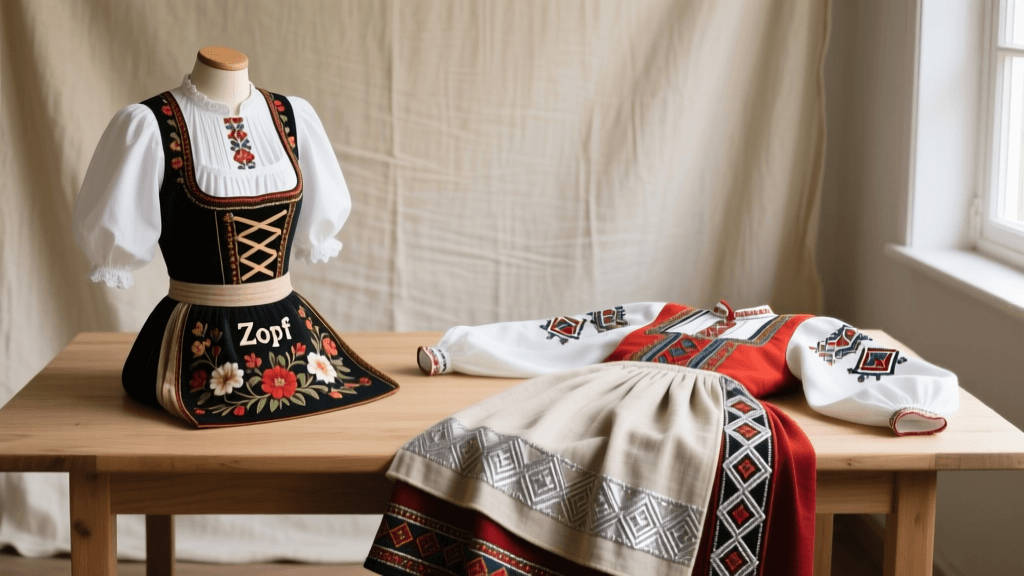
The Dirndl originated as the working dress of Alpine peasants and maidservants in the 18th and 19th centuries before being adopted by the upper classes as a fashionable rural retreat garment. Today, an authentic Dirndl is a masterclass in tailored construction, consisting of four distinct components that must be sourced and fitted with precision.
The Four Pillars of the Dirndl
- Mieder (Bodice): The bodice is heavily structured, often featuring internal boning and a deep, rounded or square neckline. In 2026, authentic makers are returning to natural materials like hemp-cord boning rather than synthetic plastics, ensuring the bodice breathes during long summer festivals.
- Rock (Skirt): The skirt is heavily gathered or pleated at the waistband. While commercial fashion brands push knee-length or mini skirts, traditionalists and high-end ateliers in Munich and Salzburg strictly adhere to the midi or maxi length, with the hem falling gracefully below the knee.
- Schürze (Apron): The apron is the most expressive element of the Dirndl. Woven from silk, fine cotton, or raw linen, the apron bow serves as a traditional relationship status indicator: tied on the left means single, on the right means taken, in the center traditionally signifies virginity (though often ignored today), and tied at the back indicates widowhood or that the wearer is a working waitress.
- Bluse (Blouse): Worn beneath the bodice, the blouse is typically crafted from crisp white batiste or linen. Modern 2026 trends favor delicate hand-embroidered collars and subtle puff sleeves that do not add bulk under the tightly fitted Mieder.
Anatomy of the Norwegian Bunad: Nordic Heritage
Unlike the Dirndl, which evolved organically from rural workwear, the Norwegian Bunad was largely codified during the National Romanticism movement of the early 20th century. It is not a single "Norwegian" dress, but rather a collection of over 400 highly specific regional designs. Wearing a Bunad is a profound expression of familial and geographic roots, and the rules regarding its construction are strictly guarded by local councils.
Key Elements of the Bunad
- Regional Wool Weaves: The foundation of most Bunads is Vadmel, a dense, heavily milled woolen cloth that provides structure and weather resistance. The color palette is strictly dictated by the region; for example, the Hardangerbunad is famous for its stark black wool, while the Nordlandsbunad features striking deep blues and greens.
- Embroidery and Søm: The embroidery techniques are deeply regional. The Hardanger region is world-renowned for Hardangersøm, a complex form of drawn-thread work and cutwork that creates intricate, lace-like geometric patterns on the linen aprons and cuffs.
- Bunadsølv (Silverwork): No Bunad is complete without its traditional silver jewelry. The silver pieces—including elaborate brooches (søljer), belt buckles, and cufflinks—are often passed down through generations. In 2026, with silver prices fluctuating, many buyers are investing in vintage Bunadsølv, though master silversmiths in Bergen and Oslo continue to produce museum-quality replicas using traditional oxidization techniques.
"The Bunad is not merely a costume; it is a wearable archive of Norwegian agrarian history. To wear the Telemarksbunad is to wear the exact stitches, rose-painting motifs, and silver patterns of your ancestors." — Norwegian Institute of Bunad and Folk Costume
2026 Sourcing and Pricing Comparison
When budgeting for authentic European folk dress, it is crucial to understand that you are investing in slow fashion. The table below outlines the core differences in sourcing and pricing for the 2026 market.
| Feature | Bavarian Dirndl (Authentic/Atelier) | Norwegian Bunad (Regional/Custom) |
|---|---|---|
| Primary Origin | Bavaria (Germany), Salzburg (Austria) | Norway (Over 400 distinct regions) |
| Base Textile | Loden wool, silk dupioni, raw linen | Milled Vadmel wool, hand-woven linen |
| Embroidery Style | Floral silk-thread embroidery, goldwork | Hardangersøm, Hvit-søm, wool threadwork |
| Metalwork | Brass, horn, or silver toggle buttons | Extensive oxidized sterling silver (Sølv) |
| 2026 Average Cost | €800 – €2,500 (excluding accessories) | 35,000 NOK – 65,000+ NOK ($3,200 - $6,000 USD) |
| Production Lead Time | 4 to 12 weeks for custom tailoring | 6 to 18 months (due to artisan waitlists) |
Where to Buy Authentic Garments in 2026
Sourcing authentic garments requires bypassing tourist traps and connecting directly with heritage outfitters and artisanal cooperatives.
Sourcing the Dirndl in Bavaria
For authentic Bavarian Tracht, Munich remains the epicenter of high-quality sourcing. The legendary fashion house Lodenfrey, located on Maffeistraße, has been outfitting locals and international collectors since 1842. They offer a curated selection of contemporary yet historically grounded Dirndls, utilizing sustainable Alpine wools and organic linens. For those seeking historical context and inspiration before commissioning a bespoke piece, the extensive textile archives at the Bayerisches Nationalmuseum (Bavarian National Museum) provide unparalleled insight into 18th and 19th-century construction techniques.
Sourcing the Bunad in Norway
Purchasing a Bunad is a highly regulated process. You cannot simply buy one off a rack; it must be tailored to your measurements and your specific regional affiliation. The primary and most authoritative source for Bunads is Husfliden, a nationwide network of retail shops operated by the Norwegian Folk Art and Craft Association. When you visit a Husfliden shop, consultants will verify your regional ties (based on your birthplace, parents' birthplace, or long-term residence) before allowing you to order the corresponding Bunad. The silverwork is often sourced from specialized local silversmiths, such as Arven in Bergen, who hold the royal warrant and historical patents for regional designs.
Measuring for a Custom Fit: Actionable Advice
Whether you are ordering a Dirndl from a Munich atelier or a Bunad from a Norwegian Husflid, precise measurements are non-negotiable. Folk dress relies on structural tension rather than stretch fabrics.
- Underbust and Natural Waist: For the Dirndl, the Mieder must sit tightly against the ribcage to provide bust support without the need for modern undergarments. Measure your underbust while exhaling fully. The natural waist should be measured at the narrowest point of your torso, typically above the navel.
- Skirt Length: Measure from your natural waist down to the desired hemline. For an authentic 2026 Dirndl, this should be at least 65 cm to 75 cm, ensuring the hem falls well below the knee. For a Bunad, the skirt length is traditionally measured to the middle of the calf, allowing the decorative shoes and wool socks to be visible.
- Shoulder and Torso Drop: Bunad bodices are often cut with a higher waistline than modern dresses. Artisans will require your "torso drop" (the measurement from the base of the neck to the natural waist) to ensure the heavy wool skirts hang correctly without pulling the shoulder straps off the body.
Textile Care and Heirloom Preservation
Investing thousands of dollars or euros into traditional European folk dress requires a commitment to proper archival care. The heavy wools, delicate silks, and reactive metals used in these garments demand specific maintenance routines.
Caring for Loden and Vadmel Wools
Never dry clean authentic Loden or Vadmel wool unless absolutely necessary, as the harsh chemicals can strip the natural lanolin that makes the wool water-resistant and give it its characteristic subtle sheen. Instead, utilize the traditional Alpine method of "airing out" the garment. Hang the skirt or dress in a steamy bathroom after a hot shower; the ambient moisture will naturally release wrinkles and neutralize odors. For spot cleaning, use a damp cloth and a pH-neutral wool wash, gently dabbing the stain without agitating the fibers, which can cause felting.
Preserving Bunadsølv (Silverwork)
The silver jewelry associated with the Bunad is designed to oxidize, creating a dark patina in the crevices that highlights the intricate filigree and rose-painting motifs. Do not use commercial silver dips or polishing cloths on the entire piece, as this will strip the intentional antiquing. If the raised, polished areas become too dull, gently rub them with a soft, untreated microfiber cloth. When storing the silver, wrap each piece individually in acid-free tissue paper and place them in a tarnish-preventive flannel bag. Avoid storing silver in direct contact with rubber or elastic bands, as the sulfur in these materials will cause rapid, damaging corrosion.
Storing Embroidered Aprons and Linens
Silk aprons and heavily embroidered linen shirts should never be stored on wire or wooden hangers, which can distort the shoulder seams and cause permanent creasing in delicate threads. Fold the garments using acid-free archival tissue paper to cushion the folds, preventing the embroidery threads from snapping over time. Store them in breathable, unbleached cotton garment bags in a cool, dark, and humidity-controlled environment. Cedar blocks are highly recommended for the storage wardrobe, as they naturally repel the clothes moths that are notoriously attracted to the natural wool and silk fibers used in traditional European folk dress.