Decoding Kimono Fashion in Ukiyo-e Woodblock Prints
The Intersection of Ukiyo-e and Edo Period Fashion
Ukiyo-e, translating to 'pictures of the floating world,' is arguably Japan's most recognized artistic export. Emerging in the 17th century and flourishing throughout the Edo period (1603–1867), these woodblock prints captured the ephemeral beauty of urban life, kabuki theater, and the pleasure quarters. However, beyond their aesthetic brilliance, ukiyo-e prints served a highly practical purpose: they were the fashion magazines of their day. For modern collectors, historians, and enthusiasts of Asian traditions, studying the garments depicted in these prints offers a masterclass in the symbolism, seasonal awareness, and socio-political nuances of traditional Japanese clothing.
The Victoria and Albert Museum's landmark 'Kimono: Kyoto to Catwalk' exhibition highlighted how the kimono was never merely a covering, but a dynamic canvas for personal expression and cultural communication. In the 'floating world,' a courtesan's layered silks or a merchant wife's subtle patterns spoke volumes about her status, wealth, and aesthetic sensibility. By learning to read ukiyo-e, we can decode the sartorial language of historical Japan and apply these insights to modern vintage textile collecting.
Reading the Garment: Symbolism and Motifs in Woodblock Prints
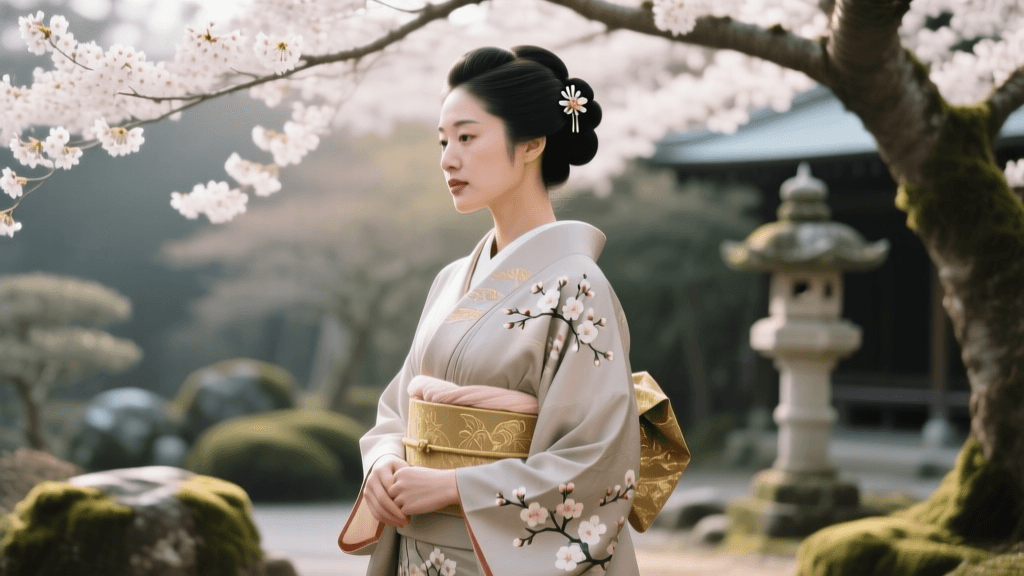
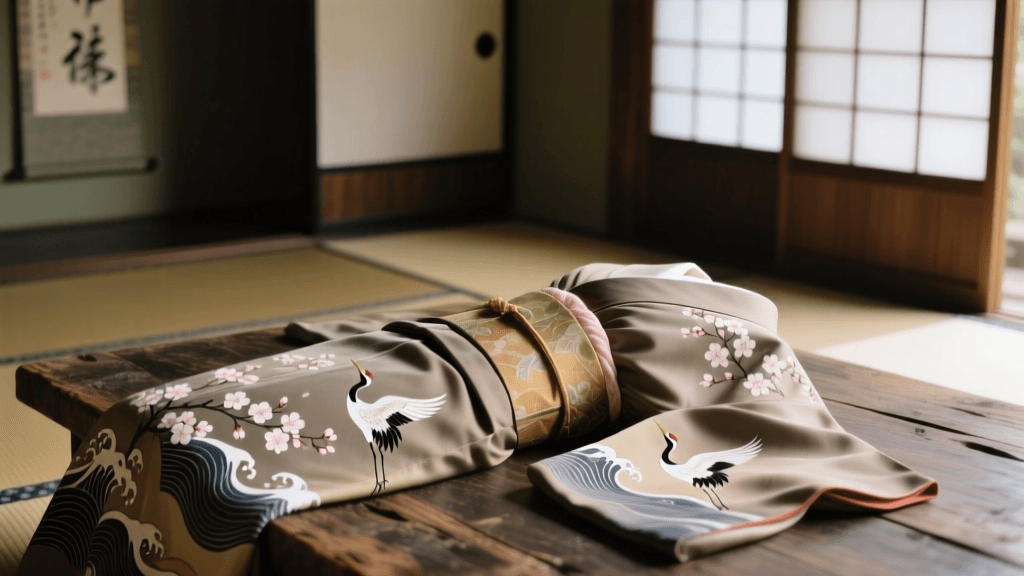
Master printmakers like Kitagawa Utamaro and Suzuki Harunobu paid meticulous attention to the textiles worn by their subjects. The motifs depicted were not random decorative choices; they were deeply tied to the Japanese concept of shiki (the four seasons) and auspicious symbolism. A woman depicted in a print wearing a garment with flowing water and cherry blossoms was firmly anchored in the spring season, while also projecting an aura of purity and the bittersweet transience of beauty.
For contemporary collectors and designers, understanding these motifs is essential when authenticating and dating vintage kimono. The following table outlines the most common motifs found in ukiyo-e and their traditional associations:
| Motif | Japanese Term | Seasonality | Symbolic Meaning & Context |
|---|---|---|---|
| Cherry Blossom | Sakura | Spring | Transience, beauty, and the ephemeral nature of life. Highly favored in the pleasure quarters. |
| Pine Tree | Matsu | Winter / Year-round | Longevity, endurance, and steadfastness. Often paired with bamboo and plum (Shochikubai). |
| Chrysanthemum | Kiku | Autumn | Nobility, rejuvenation, and the imperial family. A symbol of perfection and longevity. |
| Plum Blossom | Ume | Late Winter | Resilience, hope, and the arrival of spring. Blooms through the snow. |
| Flowing Water | Ryusui | Year-round | Purity, the flow of time, and adaptability. Often used as a background motif to unite other elements. |
| Peony | Botan | Spring / Summer | Wealth, prosperity, and honor. Known as the 'King of Flowers' and associated with high-ranking courtesans. |
Sumptuary Laws and the Art of Subtle Rebellion
To truly appreciate the fashion in ukiyo-e, one must understand the strict socio-political climate of the Edo period. The Tokugawa shogunate enforced rigid class structures and frequently issued ken'yakurei (sumptuary laws) to prevent the newly wealthy merchant class (chonin) from dressing above their station. The Metropolitan Museum of Art's Heilbrunn Timeline of Art History notes that these laws dictated everything from the color of fabrics to the cost of the dyes and the types of patterns permitted.
In response, the commoners developed an aesthetic philosophy known as iki (or sui in the Kansai dialect). Iki championed understated elegance, subtle sophistication, and a rejection of gaudy displays of wealth. In ukiyo-e prints, this is often depicted through garments that appear plain or modest on the outside—perhaps featuring subtle, fine stripes (shima) or muted, earthy tones like nezumi (grey) and chairo (brown). However, the true luxury was hidden: the inner linings (hakkake or hanaura) were often made of the most vibrant, expensive silks, dyed with forbidden colors like deep crimson or intricate yuzen patterns. This 'hidden luxury' allowed merchants to rebel against the shogunate while maintaining plausible deniability in public.
Translating 2D Prints to 3D Textiles: Dyeing Techniques
Ukiyo-e artists also documented the evolution of textile technology. Early prints often depicted garments made with shibori (tie-dye) and surihaku (gold leaf application). However, by the late 17th and 18th centuries, the invention of yuzen-zome (paste-resist dyeing) revolutionized kimono fashion. Yuzen allowed artisans to paint intricate, multi-colored designs directly onto the silk, much like a painter working on a canvas.
Woodblock printmakers mimicked this by using complex multi-block printing techniques and bokashi (color gradation) to replicate the fluid, painterly look of yuzen-dyed silks. When examining a vintage kimono today, collectors can compare the fluidity of the dye lines to the crisp, stylized lines of ukiyo-e prints to determine whether a piece is a hand-painted masterpiece or a later, mass-produced stencil (katagami) reproduction.
Actionable Guide: Using Ukiyo-e for Vintage Kimono Collecting
For enthusiasts looking to acquire historical garments or high-quality vintage pieces inspired by Edo-period aesthetics, ukiyo-e serves as an invaluable reference guide. Here is how you can apply art history to your collecting strategy:
1. Understanding Historical Proportions and Measurements
Garments depicted in Edo-period prints differ significantly in proportion from modern kimono. When evaluating a potential antique purchase, keep these historical measurements in mind:
- Sleeve Depth (Sode-take): In the Edo period, the kosode (the precursor to the modern kimono) featured relatively short sleeves, typically measuring 30cm to 40cm in depth. Modern furisode (swinging sleeves) can exceed 114cm. If a garment claims to be Edo-era but has excessively long, swinging sleeves, it is likely a later Taisho or Showa-era piece, or a modern reproduction.
- Body Width (Okumi and Migoro): Historical looms produced narrower fabric bolts (tanmono). An authentic Edo or early Meiji kimono will often have a narrower back width and overall hem circumference compared to post-WWII garments, which were widened to accommodate changing body types and Western undergarments.
2. Sourcing and Timing Your Purchases
Finding authentic Edo-period textiles requires patience and strategic timing. While complete, pristine Edo-era kosode are rare and usually reside in museums, fragments and early Meiji/Taisho pieces that heavily emulate ukiyo-e styles are accessible.
- Timing: The best time to hunt for vintage textiles in Japan is during the autumn and early winter months (October through December). This is when antique markets stock heavier, lined silks (awase) that feature the rich, layered aesthetics seen in winter ukiyo-e prints.
- Locations: Visit the Toji Temple Antique Market in Kyoto on the 21st of each month, or the Tenjin-san market at Kitano Tenmangu on the 25th. For ukiyo-e prints themselves, the Kobo-san market offers excellent paper goods.
- Cost Expectations: Authentic Edo-period kosode fragments (often mounted for framing) typically range from $150 to $500. Complete, wearable Edo garments are museum-grade and can fetch $3,000 to $10,000+ at specialized auction houses. For a more budget-friendly option, look for Taisho-Roman era (1912–1926) kimono, which frequently revived Edo ukiyo-e motifs; these generally cost between $200 and $800.
3. Evaluating Condition and Authenticity
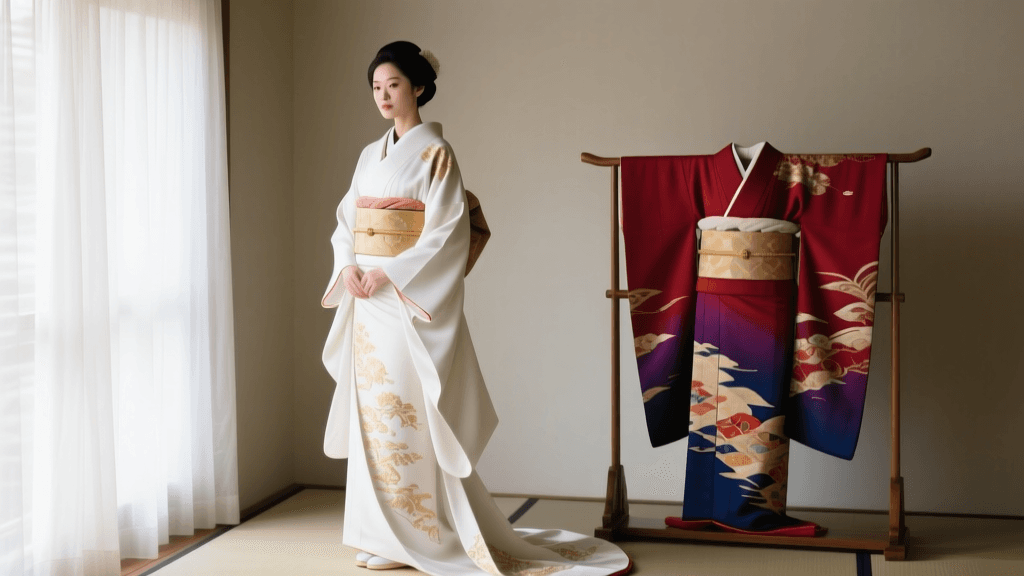
When inspecting a garment, look for the 'language' of the fabric. Authentic historical pieces dyed with natural indigo (ai) or safflower (benibana) will have a distinct, organic depth of color that synthetic Meiji-era aniline dyes cannot replicate. Furthermore, check the lining. As dictated by the iki aesthetic, a high-quality historical garment will often feature a plain, modest exterior silk (like tsumugi or matte crepe) but will boast a hand-painted, vibrant yuzen lining.
Archival Care and Preservation of Historical Silks
Acquiring a piece of wearable art history comes with the responsibility of proper preservation. The natural dyes and silk proteins used during the Edo and Meiji periods are highly susceptible to environmental degradation.
- Storage: Never store vintage kimono on wire hangers or in plastic bags. Plastic traps moisture and off-gasses chemicals that yellow silk. Instead, fold the garment using the traditional method and wrap it in tatoushi (acid-free, breathable paper specifically designed for kimono storage).
- Light Exposure: UV light is the enemy of natural dyes. If you choose to display a vintage kimono or an ukiyo-e print, ensure it is framed behind UV-filtering acrylic glass and kept away from direct sunlight. Indigo and safflower dyes will fade irreversibly within weeks of direct exposure.
- Humidity Control: Maintain a stable relative humidity of around 50%. High humidity invites mold (kabi), which can eat through silk fibers, while excessively dry conditions make the threads brittle and prone to shattering.
Conclusion
The woodblock prints of the Edo period are far more than beautiful artworks; they are meticulous historical records of Japanese textile mastery, societal rebellion, and seasonal poetry. By learning to decode the motifs, proportions, and hidden linings depicted in ukiyo-e, modern collectors and cultural enthusiasts can bridge the gap between the 'floating world' of the past and the tangible beauty of historical garments today. Whether you are hunting for a Taisho-era revival piece at a Kyoto flea market or simply admiring a Utamaro print in a gallery, the language of the kimono remains as vibrant and expressive as ever.