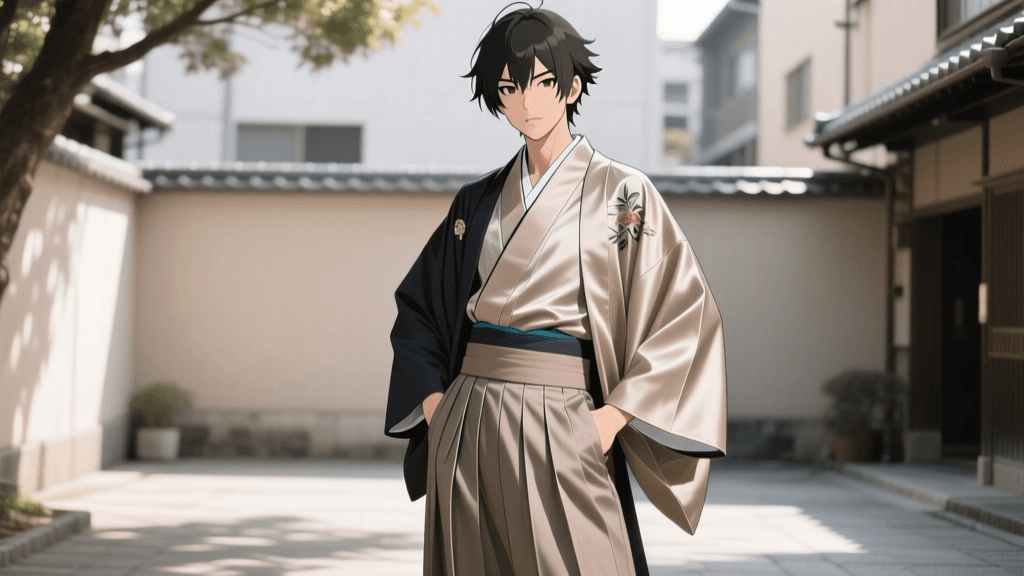
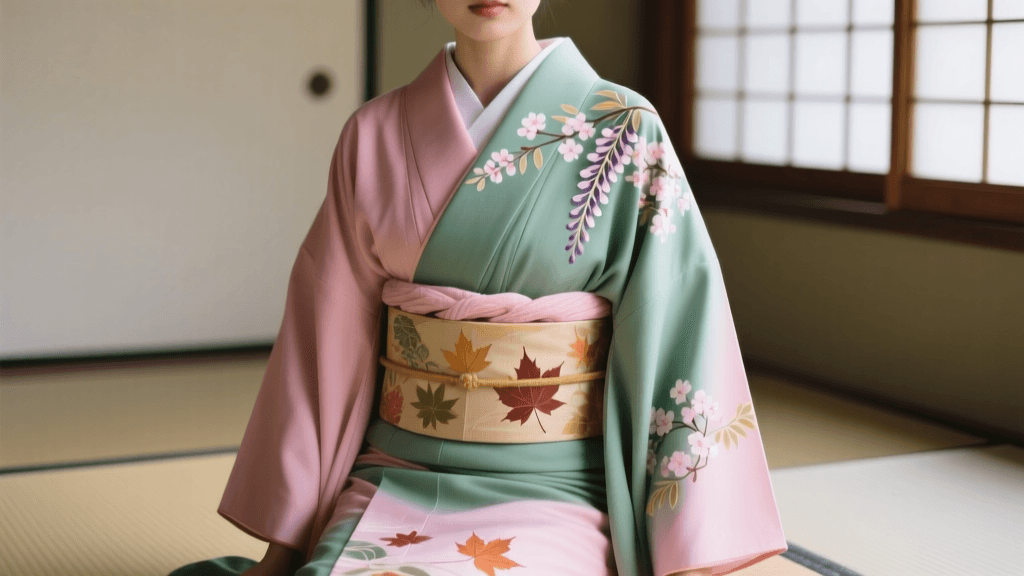
Decoding Kimono Fabrics: A Guide to Silk Craftsmanship
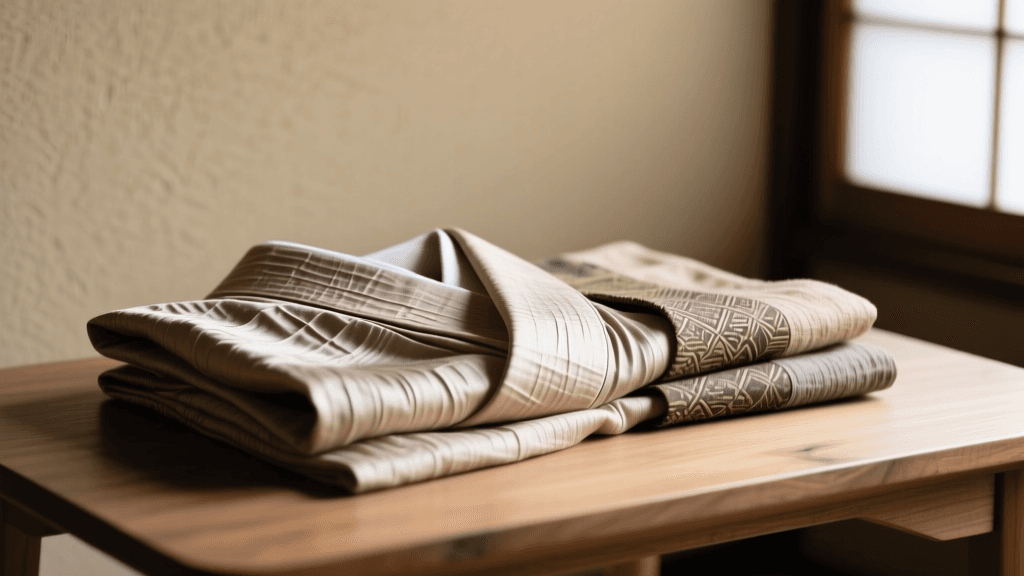
The Foundation of Elegance: Understanding Kimono Silk
The kimono is far more than a simple garment; it is a masterclass in textile engineering and a canvas for centuries of Japanese artistry. Unlike Western tailoring, which cuts fabric into curved shapes to fit the body, the kimono is constructed from straight, rectangular panels. This zero-waste approach places the entire aesthetic and structural burden on the fabric itself. For collectors, enthusiasts, and cultural historians, understanding the nuances of kimono craftsmanship and fabric types is essential to appreciating the garment's true value.
According to the Metropolitan Museum of Art, the evolution of the kimono is deeply intertwined with Japan's textile innovations, particularly during the Edo period when sumptuary laws forced artisans to develop incredibly subtle and sophisticated weaving and dyeing techniques. Today, navigating the world of kimono fabrics requires a keen eye for weave structure, drape, and seasonal appropriateness.
The Anatomy of a Tanmono: The Fabric Bolt
Before diving into specific silk types, one must understand the tanmono (fabric bolt). A standard kimono is woven from a single bolt of silk measuring approximately 36 centimeters (about 14 inches) in width and 11 to 12 meters (12 to 13 yards) in length. This specific width is dictated by the traditional Japanese measurement of one shaku (approx. 37.8 cm). Because the fabric is so narrow, the kimono is assembled using long, straight seams. This means the fabric's drape, weight, and tension are paramount; a poorly woven silk will warp the garment's silhouette and cause the seams to pull.
The Big Four: Essential Kimono Fabric Types
While cotton, hemp, and wool are used for casual or winter wear, high-end kimono craftsmanship is dominated by silk. Here are the four foundational silk weaves you must know.
1. Chirimen (Crepe Silk)
Chirimen is the workhorse of the kimono world, prized for its pebbled texture and excellent drape. This texture, known as shibo, is created by using untwisted warp threads and highly twisted weft threads that alternate between left-twist and right-twist. When the fabric is washed in hot water and treated with ash, the twisted threads relax and contract, creating the signature micro-wrinkles. Chirimen is highly absorbent, making it the perfect canvas for Yuzen (resist-dyeing) and intricate hand-painting. It is a versatile, four-season fabric suitable for most formal and semi-formal occasions.
2. Rinzu (Satin Damask)
If Chirimen is matte and textured, Rinzu is luminous and smooth. Rinzu is a jacquard-woven silk damask where the shiny satin weave forms patterns against a duller background. Because the patterns are woven into the fabric rather than dyed onto it, Rinzu exudes a quiet, understated luxury. It is exceptionally soft and heavy, making it the premier choice for highly formal garments such as wedding uchikake (outer robes) and furisode (long-sleeved kimono for unmarried women). Rinzu is notoriously difficult to dye evenly due to its dense weave, so it is often left in solid colors or lightly embroidered.
3. Tsumugi (Pongee / Slub Silk)
Tsumugi represents the rustic, rural soul of Japanese textiles. Originally woven from the leftover, uneven silk threads that the nobility discarded, Tsumugi features a distinct slubbed, nubby texture. The threads are typically dyed before weaving (using techniques like kasuri or ikat), resulting in soft, blurred geometric patterns. Despite its humble origins, Tsumugi is now one of the most expensive and highly prized kimono fabrics due to the immense manual labor required. The pinnacle of this craft is Oshima Tsumugi from Amami Oshima, which involves dyeing silk in iron-rich mud over 80 meticulous steps. As noted by Japan's Ministry of Economy, Trade and Industry, Oshima Tsumugi is a designated Traditional Craft, requiring strict adherence to ancestral methods.
4. Ro and Sha (Summer Gauze)
Japan's humid summers necessitate specialized textiles. Ro and Sha are lightweight, sheer silks woven using a leno weave, where warp threads are twisted around each other to create open, breathable gaps. Ro features a distinct striped pattern of gaps, while Sha has a more uniform, net-like mesh. These fabrics are strictly reserved for the hottest months (July and August) and are often dyed in cool, aquatic motifs like flowing water, goldfish, or morning glories to provide visual cooling.
Fabric Comparison Chart: Weave, Drape, and Formality
| Fabric Type | Weave Structure | Texture and Drape | Formality Level | Best Season |
|---|---|---|---|---|
| Chirimen | Plain weave with twisted weft | Pebbled, matte, heavy drape | Semi-formal to Formal | Spring, Autumn, Winter |
| Rinzu | Jacquard Satin Damask | Smooth, glossy, fluid drape | Highly Formal (Weddings) | Spring, Autumn, Winter |
| Tsumugi | Plain weave, pre-dyed slub | Nubby, stiff, structured | Casual to Semi-formal | Autumn, Winter |
| Ro / Sha | Leno (twisted warp) weave | Sheer, lightweight, crisp | Semi-formal (Summer events) | Mid-Summer (July-Aug) |
Practical Guide: Sourcing, Pricing, and Authenticity
Whether you are building a collection or purchasing your first silk kimono, understanding the market is crucial.
- Identifying Authentic Silk: Perform a touch test; genuine silk warms to your skin quickly and has a distinct 'scroop' (a crunching sound) when crushed. If purchasing raw fabric, a burn test is definitive: real silk smells like burning hair, self-extinguishes, and leaves a crushable black ash, whereas synthetic polyester melts into a hard plastic bead.
- Vintage Sourcing: The best places to find affordable, high-quality vintage silk are the antique markets. In Tokyo, the Togo Shrine market (first and third Sundays) is legendary. In Kyoto, the Toji Temple flea market (21st of every month) offers incredible Tsumugi and Chirimen pieces.
- Pricing Expectations: A vintage, everyday silk kimono in good condition typically ranges from $30 to $150. However, a verified, hand-woven Oshima Tsumugi kimono with a certificate of authenticity will cost between $3,000 and $15,000 new, reflecting the hundreds of hours of artisan labor.
- Checking for Damage: Always inspect the collar and the lower hem. Look for hiki-zuri (hem drag) wear, and check the underarm areas for yellowing or silk shattering (where the fabric disintegrates due to age and metallic dye weighting).
Expert Care and Maintenance
Silk is a protein fiber, making it susceptible to moisture, light, and pests. Proper maintenance ensures these garments survive for generations.
The Art of Mushiboshi (Airing Out)
Japanese collectors practice mushiboshi (insect airing) twice a year, typically in late autumn (November) and early spring (March). The kimono is removed from its storage, unwrapped, and hung on a bamboo pole in a well-ventilated, shaded room for a few hours. Never expose silk to direct sunlight, which will rapidly fade the natural dyes and degrade the protein fibers.
Storage and Cleaning
Never store a silk kimono on a wire or plastic hanger; the weight of the wet or heavy silk will stretch the shoulders irreparably. Instead, fold the garment along its original seam lines and wrap it in tatoushi—specialized, acid-free Japanese washi paper that allows the fabric to breathe while absorbing ambient moisture. Avoid plastic bags, which trap humidity and encourage mold.
For cleaning, never attempt to wash a lined silk kimono at home. Water will cause the silk outer layer and the cotton or silk lining to shrink at different rates, ruining the garment. Instead, rely on maruarai, a traditional Japanese dry-cleaning method where the kimono is entirely taken apart, washed in specialized solvents, re-dyed if necessary, and meticulously re-sewn by a master tailor.
Conclusion
The craftsmanship woven into every millimeter of a kimono is a testament to Japan's deep reverence for nature, seasonality, and meticulous handiwork. Whether it is the matte elegance of Chirimen, the luminous formality of Rinzu, or the rustic heritage of Tsumugi, understanding these fabrics transforms the act of wearing or collecting a kimono from a simple fashion choice into an act of cultural preservation. As highlighted by the Victoria and Albert Museum, the kimono remains a dynamic, living garment, and its foundational textiles continue to inspire global fashion and textile arts today.