Decoding Kimono Motifs: Seasonal Colors and Symbolism
The Wearable Canvas: Introduction to Kimono Symbolism
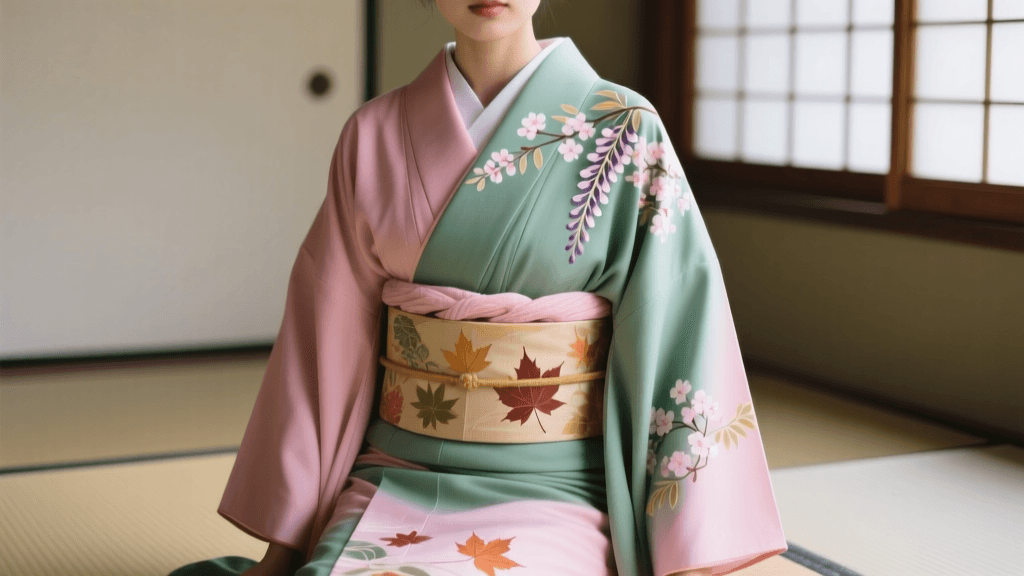
The Japanese kimono is far more than a simple article of clothing; it is a wearable canvas that reflects the deep connection between Japanese culture and the natural world. Unlike Western fashion, which often prioritizes the silhouette or the cut of the fabric, traditional Japanese dress places paramount importance on the surface design. The motifs, colors, and patterns dyed or woven into the silk are imbued with profound symbolic meaning, conveying the wearer's age, marital status, social standing, and, most importantly, the exact time of year. According to the Metropolitan Museum of Art, the evolution of Japanese textile arts, particularly during the Edo period, transformed the kimono into a highly regulated medium of visual communication, where every stitch and dye told a specific story.
The Philosophy of Kisetsukan: Anticipating the Seasons
At the heart of kimono aesthetics is the concept of kisetsukan, or seasonal feeling. In traditional Japanese dress, one does not merely wear motifs that reflect the current season; rather, one anticipates the season just before it reaches its peak. Wearing a motif exactly when it is blooming in nature is considered slightly late or 'out of season' in the most formal sartorial circles. The goal is to capture the essence of the season as it approaches, creating a sense of longing and appreciation for the transient beauty of nature—a concept closely tied to mono no aware (the pathos of things).
Spring (Haru): Cherry Blossoms and Pastels
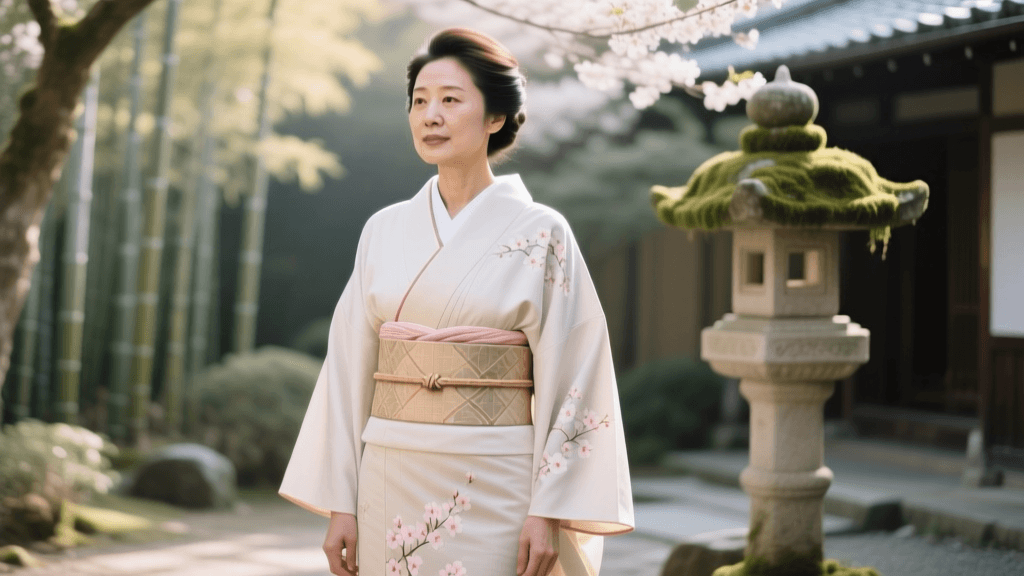
Spring in Japan is synonymous with renewal and fleeting beauty. The most iconic spring motif is the sakura (cherry blossom), which is typically worn from late February through early April. Because the cherry blossom season is incredibly brief, wearing sakura motifs slightly before the actual bloom is preferred. Other popular spring motifs include botan (peony), representing wealth and good fortune, and ume (plum blossom), which signifies resilience as it blooms in the late winter snow. The color palette for spring kimonos features soft pastels: pale pinks, light greens (matcha), and soft yellows, often achieved through the intricate resist-dyeing technique known as Yuzen.
Summer (Natsu): Cool Waters and Indigo
Summer motifs are designed to provide visual cooling in Japan's sweltering humidity. Rather than focusing on the heat, summer kimonos feature motifs that evoke coolness and water. The seigaiha (blue ocean waves) pattern is a geometric staple that represents surging waves and good luck. Floral motifs include ayame (iris) and asagao (morning glory). The Victoria and Albert Museum highlights that summer garments also shift in material, moving from lined silk to unlined hitoe or sheer, breathable silks like ro and sha. The dominant colors are cooling indigo (ai), crisp whites, and pale blues.
Autumn (Aki): Maple Leaves and Warm Earth Tones
Autumn is a time of harvest and reflection, visually represented by the spectacular changing of the leaves. The momiji (maple leaf) is the quintessential autumn motif, often depicted scattering across the shoulders or hem of the garment. The kiku (chrysanthemum), the imperial flower, is also heavily featured, symbolizing longevity and rejuvenation. Susuki (pampas grass) and bush clover (hagi) are common motifs for early autumn. The color palette shifts dramatically to warm, earthy tones: russet, burnt orange, deep gold, and rich burgundy.
Winter (Fuyu): Pine, Bamboo, and Plum
Winter motifs focus on endurance, longevity, and auspicious beginnings. The most formal and highly respected winter motif is shochikubai, a combination of pine (sho), bamboo (chiku), and plum (bai). Together, these three plants represent steadfastness, resilience, and perseverance through harsh conditions. The tsubaki (camellia) is also worn in deep winter. Winter kimonos feature the heaviest, most opulent silks, often lined with thick padding for warmth. Colors are deep and striking: midnight blues, rich purples, stark whites, and formal blacks.
Seasonal Motif and Color Guide
| Season | Primary Motifs | Traditional Color Palette | Wearing Window (Timing) |
|---|---|---|---|
| Spring | Sakura (Cherry Blossom), Botan (Peony) | Pale Pink, Matcha Green, Soft Yellow | February to Early April |
| Summer | Seigaiha (Waves), Ayame (Iris), Asagao | Indigo, Ice Blue, Crisp White | June to August |
| Autumn | Momiji (Maple), Kiku (Chrysanthemum) | Russet, Gold, Deep Burgundy | September to November |
| Winter | Shochikubai (Pine/Bamboo/Plum), Tsubaki | Deep Purple, Forest Green, Black | December to January |
The Language of Color in Traditional Japanese Dress
Beyond the motifs themselves, the base color of the kimono carries strict cultural and historical significance, heavily influenced by the Heian period's complex color-ranking system.
- Red (Aka): Historically associated with youth, vitality, and protection against evil spirits. Unmarried women and young girls often wear vibrant reds, particularly in the form of the furisode (long-sleeved kimono) for Coming of Age Day.
- Purple (Murasaki): Traditionally the color of the highest nobility and aristocracy. Because the dye was incredibly difficult and expensive to produce from the gromwell root, purple remains a color of high formality and respect.
- Indigo (Ai): The color of the common people during the Edo period due to sumptuary laws restricting bright colors. Today, indigo represents humility, cooling properties, and everyday elegance.
- Black (Kuro): The ultimate color of formality. A kurotomesode (black kimono with patterns only below the waist) is the most formal garment a married woman can wear, typically reserved for weddings and highly significant ceremonies.
Practical Guide: Renting, Buying, and Dressing for the Seasons
For those looking to experience or acquire seasonal Japanese garments, understanding the logistics of kitsuke (dressing) and market pricing is essential. Whether you are renting for a day in Kyoto or investing in a vintage piece, specific measurements and timing must be considered.
Timing and Reservations for Seasonal Events
If you plan to wear a kimono for major seasonal events like Hanami (cherry blossom viewing) in early April or Momijigari (autumn leaf viewing) in November, you must secure your garments well in advance. High-quality rental shops in cultural hubs like Kyoto, Kanazawa, and Tokyo require reservations 45 to 60 days prior to these peak windows. For summer festivals requiring a yukata, booking 30 days in advance is usually sufficient.
Costs and Product Tiers
Rental costs vary significantly based on the formality and seasonality of the garment:
- Standard Komon (Everyday Patterned Kimono): 5,000 to 8,000 JPY. This includes the inner nagajuban, obi belt, zori sandals, and basic accessories. Ideal for casual sightseeing.
- Summer Ro/Sha Silk or High-End Yukata: 8,000 to 12,000 JPY. These breathable, sheer silks require specialized dressing techniques and premium summer obi.
- Formal Houmongi or Furisode: 15,000 to 30,000+ JPY. Reserved for tea ceremonies, weddings, or formal seasonal parties. This tier includes premium silk fukuro obi and professional hair styling services.
For purchasing, vintage markets (recycle kimono shops) offer beautiful seasonal pieces starting around 3,000 JPY, though they may require dry cleaning and re-stitching. Commissioning a brand new, custom-dyed Yuzen kimono from an artisan in Kanazawa or Kyoto will cost upwards of 300,000 JPY and take 4 to 8 months to complete.
Crucial Measurements and Accessories
When purchasing or renting, pay close attention to the measurements. The sleeve length (sode-take) and body width (mi-haba) must align with your height and hips. A standard vintage kimono fits women up to 160cm tall; taller individuals will need modern remakes or specialized rental shops that cater to international tourists. Furthermore, ensure your Obi belt harmonizes with the kimono. A standard Nagoya Obi is 30cm wide and 3.6 meters long, perfect for casual to semi-formal wear. For formal winter or spring events, a Fukuro Obi (43cm wide and over 4 meters long) is required. The golden rule of kimono styling is that the obi should feature motifs from a complementary season or a subtle geometric pattern, never exactly duplicating the primary motif of the kimono itself.
Conclusion
The Japanese kimono is a masterclass in sartorial poetry. By understanding the intricate language of pattern color and motif symbolism, wearers can participate in a centuries-old dialogue with nature. Whether you are donning a cool indigo seigaiha yukata to escape the summer heat or wrapping yourself in a formal shochikubai silk to celebrate the new year, the kimono allows you to wear the very essence of the season. As you explore the world of Asian traditional garments, let the subtle shifts in color and motif guide your appreciation of this timeless art form.