Best Hanfu For Tai Chi And Qigong Wellness In 2026
The Intersection of Traditional Garments and Qi Flow
In recent years, the global wellness movement has seen a profound shift toward holistic, culturally rooted practices. As of 2026, the integration of traditional Chinese clothing (Hanfu) with internal martial arts and wellness practices like Tai Chi and Qigong has evolved from a niche aesthetic choice into a highly optimized lifestyle discipline. While modern compression activewear dominates Western fitness markets, Traditional Chinese Medicine (TCM) practitioners have long advocated for loose, flowing garments to facilitate the unobstructed flow of Qi (vital energy) and blood through the body's meridian networks.
According to the National Center for Complementary and Integrative Health, Tai Chi and Qigong rely heavily on deep, diaphragmatic breathing and gentle, sweeping joint articulations. Tight clothing, particularly around the waist, wrists, and ankles, can restrict the superficial fascia and impede the micro-circulation necessary for these practices. Hanfu, with its historical emphasis on structural drape, cross-collars, and wide sleeves, offers an anatomically and energetically superior alternative for dedicated practitioners. This comprehensive guide explores the best Hanfu styles, fabrics, and tailoring specifications optimized for Tai Chi and Qigong in 2026.
Top Hanfu Styles for Mindful Movement
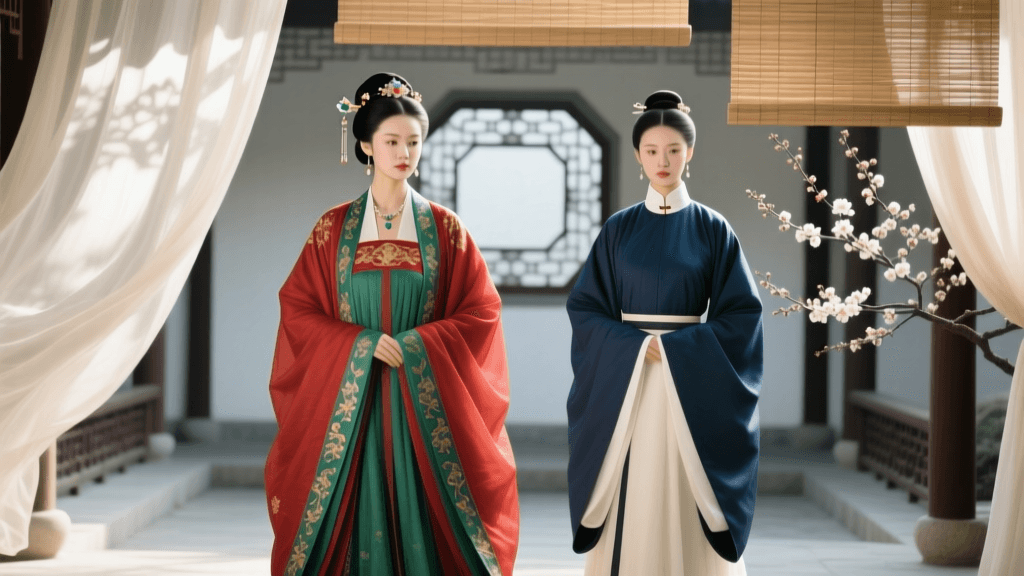
Not all Hanfu is created equal when it comes to physical movement. While ceremonial styles like the heavily layered Zhiju or the voluminous Qixiong Ruqun are breathtaking for photography and festivals, they are entirely impractical for the low stances of Tai Chi or the dynamic stretches of Ba Duan Jin (the Eight Brocades). Below is a structured comparison of the most effective Hanfu silhouettes for wellness practitioners this year.
| Hanfu Style | Best Practice Application | Mobility Rating | 2026 Avg. Price (USD) | Ideal Fabric |
|---|---|---|---|---|
| Daopao (Taoist Robe) | Flowing Tai Chi (Yang Style) | High | $140 - $220 | Washed Ramie |
| Duanhe (Short Tunic & Trousers) | Dynamic Qigong / Martial Arts | Very High | $80 - $130 | Bamboo-Linen Blend |
| Songku (Song Dynasty Trousers) | Ba Duan Jin (8 Brocades) | High | $90 - $150 | Cotton-Hemp Weave |
| Jiaoling Ruqun (Cross-Collar Skirt) | Gentle Standing Meditation | Moderate | $110 - $180 | Heavy Crepe Silk |
1. Daopao (The Taoist Robe)
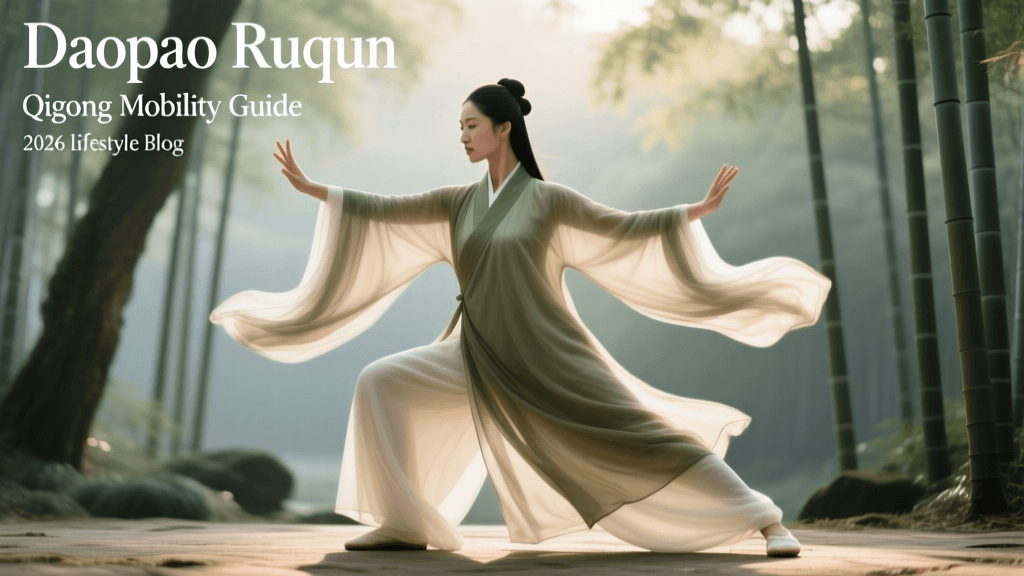
Historically worn by scholars and Taoist monks, the Daopao is a one-piece, cross-collared robe featuring side slits and wide sleeves. For Tai Chi practitioners, the Daopao is the gold standard. The side slits allow for deep stances (such as the Snake Creeps Down posture) without fabric tension pulling at the shoulders. In 2026, many specialized Hanfu tailors in Hangzhou and Suzhou offer 'wellness-specific' Daopao patterns that slightly taper the underarm to prevent excess fabric from bunching during arm circles, while maintaining the traditional drape.
2. Duanhe (Short Tunic and Trousers)
For more vigorous Qigong routines or martial-adjacent Tai Chi styles (like Chen style, which features explosive Fajin movements), the Duanhe is unmatched. Consisting of a hip-length cross-collared jacket and loose-fitting trousers, it provides maximum joint articulation. The trousers allow practitioners to monitor their knee alignment over their toes—a critical safety factor in preventing joint strain during deep horse stances.
3. Songku (Song Dynasty Trousers)
Often paired with a shorter tunic or a Beizi (open-front coat), Songku are pleated or wide-legged trousers that offer a beautiful drape while functioning like modern palazzo pants. They are exceptionally well-suited for the Ba Duan Jin, providing ample room for the lateral lunges and spinal twists required in the routine.
2026 Fabric Innovations for Wellness Practitioners
The material of your Hanfu directly impacts your body's thermoregulation during practice. Qigong generates significant internal heat, and sweating heavily while wearing non-breathable synthetic fabrics can lead to 'wind-cold' invasion, a concept in TCM where pathogens enter the body through open pores after exertion.
- Washed Ramie (Xia Bu): Known as 'Chinese linen,' ramie is highly breathable, naturally antibacterial, and possesses excellent moisture-wicking properties. Modern 2026 enzyme-washing techniques have eliminated the historical scratchiness of ramie, resulting in a buttery-soft textile that cools the skin during intense summer Tai Chi sessions.
- Bamboo-Linen Blends: A massive trend in the 2026 sustainable Hanfu market, bamboo-linen blends offer the structural integrity of linen with the ultra-soft, temperature-regulating properties of bamboo viscose. It is ideal for the Duanhe style, providing a slight stretch that accommodates high kicks and deep bends.
- Heavy Crepe Silk (Jian): While lightweight silk can cling to the skin when damp, heavy crepe silk maintains its structural drape even during perspiration. It is highly recommended for cool-weather meditation and gentle indoor Qigong, as silk is renowned in TCM for its ability to harmonize the body's electromagnetic field and protect against dampness.
Precision Tailoring: The Dantian Waistband and Sleeve Dynamics
Wearing off-the-rack Hanfu for wellness practice often leads to subtle energetic blockages. To truly align your garment with your practice, you must understand the anatomical landmarks of TCM.
The Lower Dantian Alignment
The Lower Dantian is the body's primary energy center, located approximately two inches below the navel and inward toward the spine. Deep abdominal breathing, the foundation of all Qigong, requires the expansion of the lower abdomen. Crucial Tailoring Rule: The waistband of your Songku or the tying ribbon of your Ruqun must never sit directly over the navel or compress the lower belly. In 2026, custom Hanfu makers offer 'Dantian-drop' waistbands, which are cut slightly lower in the front or feature a wide, flat, non-elastic tie that distributes pressure to the hips rather than the soft tissue of the abdomen.
Sleeve Dynamics: Zhai Xiu vs. Guang Xiu
While the sweeping Guang Xiu (wide sleeves) are visually stunning, they can catch excessive wind during outdoor practice, disrupting the body's thermal envelope. For Tai Chi, opt for Zhai Xiu (narrow sleeves) or standard sleeves with a subtle taper at the wrist. If you prefer the aesthetic of wide sleeves, look for garments featuring hidden internal wrist loops (a modern 2026 adaptation) that allow you to secure the excess fabric during vigorous forms, releasing it for the cooling-down meditation phase.
'The harmony of Tai Chi is not just in the movement of the limbs, but in the unhindered circulation of breath and blood. A garment that binds the waist or restricts the shoulder joint is a barrier to the Dao.' — Master Li Wei, TCM Practitioner and Tai Chi Lineage Holder.
Actionable Routine: Dressing for Morning Qigong
Practicing Qigong outdoors at dawn is a cornerstone of traditional wellness, allowing the practitioner to absorb the 'morning Qi' of nature. However, early morning temperatures can be deceptive. Here is a practical layering routine using Hanfu for a typical spring or autumn morning in 2026:
- Base Layer: A lightweight, unbleached cotton Dudou (traditional chest covering) or a modern bamboo-fiber undershirt to protect the core from morning drafts.
- Main Garment: A long-sleeved Duanhe tunic and Songku trousers in a cotton-hemp blend. This provides warmth while allowing full range of motion for the 'Two Hands Hold up the Heavens' posture.
- Outer Layer (Pre-Warmup): A sleeveless Beizi (open-front coat) made of quilted silk. Wear this during your initial grounding and breathing exercises to keep the shoulders and upper back (the 'Wind Gates' in TCM) warm.
- Transition: As your body generates internal heat through the Ba Duan Jin sequence, gracefully remove the Beizi and tie it around your waist or drape it over a nearby bench, allowing the arms to breathe while the core remains protected.
Conclusion
The integration of Hanfu into Tai Chi and Qigong is far more than a nostalgic fashion statement; it is a return to a holistic understanding of the human body. As research from institutions like Harvard Medical School continues to validate the profound physiological benefits of Tai Chi—from lowering blood pressure to improving cellular immunity—practitioners are recognizing that the environment immediately surrounding the skin plays a vital role in these outcomes. By selecting the appropriate styles like the Daopao or Duanhe, prioritizing natural 2026 textile innovations, and tailoring your garments to respect the Dantian and meridian lines, you elevate your practice from mere exercise to a deeply resonant cultural and spiritual discipline.
For further reading on the global integration of these practices, the World Health Organization provides extensive resources on the modern application and safety of traditional medicine and mindful movement therapies.