Best Hanfu Styles for Qigong and Meditation in 2026
The Intersection of Hanfu and Chinese Wellness in 2026
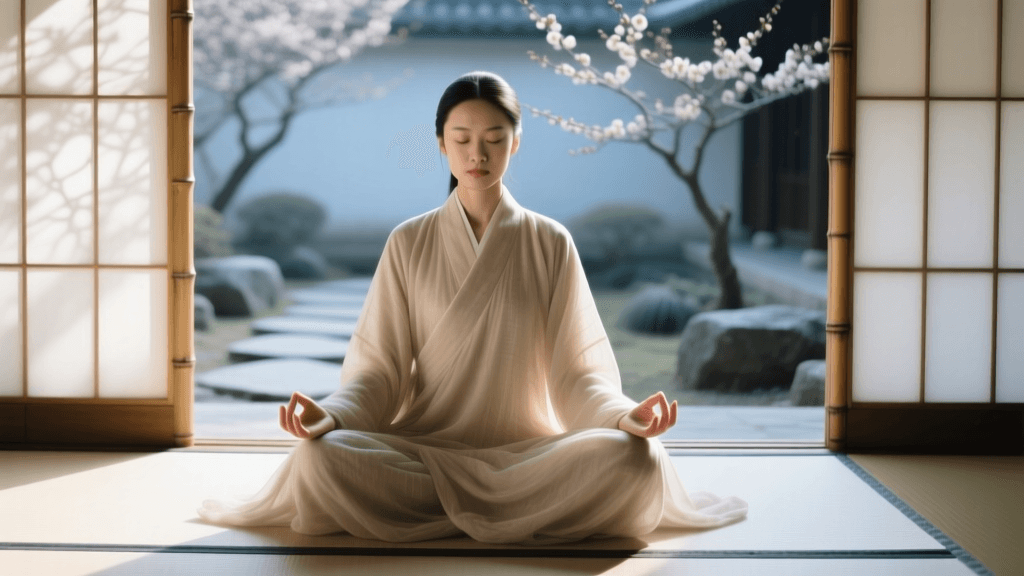
In the rapidly evolving wellness landscape of 2026, the integration of traditional somatic practices with authentic cultural garments has moved from a niche interest to a mainstream holistic discipline. For practitioners of Qigong, Tai Chi, and deep mindfulness meditation, the clothing worn during practice is no longer viewed merely as athletic wear. Instead, traditional Hanfu is increasingly recognized as a functional tool that facilitates energy flow, grounding, and diaphragmatic breathing. According to the National Center for Complementary and Integrative Health, mind-body practices like Qigong rely heavily on the synchronization of breath, movement, and mental focus. When practitioners don traditional Chinese garments, they often report a deeper psychological anchoring to the historical roots of these disciplines, enhancing the overall efficacy of their wellness routines.
Unlike modern synthetic activewear, which can trap heat and create static electricity that disrupts the body's subtle bioelectric field, authentic Hanfu utilizes natural fibers and structural silhouettes designed centuries ago to accommodate the wide, sweeping movements of martial and meditative arts. This guide explores the specific Hanfu styles, fabrics, and styling techniques that optimize your Qigong and meditation practice this year.
Why Fabric Choice Matters for Qi Circulation
The foundation of any wellness-oriented garment lies in its textile. In traditional Chinese medicine (TCM), the skin is considered the body's largest organ for respiration and energy exchange. Synthetic fabrics like polyester or nylon create a barrier that stifles this exchange. In 2026, top wellness instructors overwhelmingly recommend natural, plant-based, or minimally processed animal fibers for meditation and Qigong.
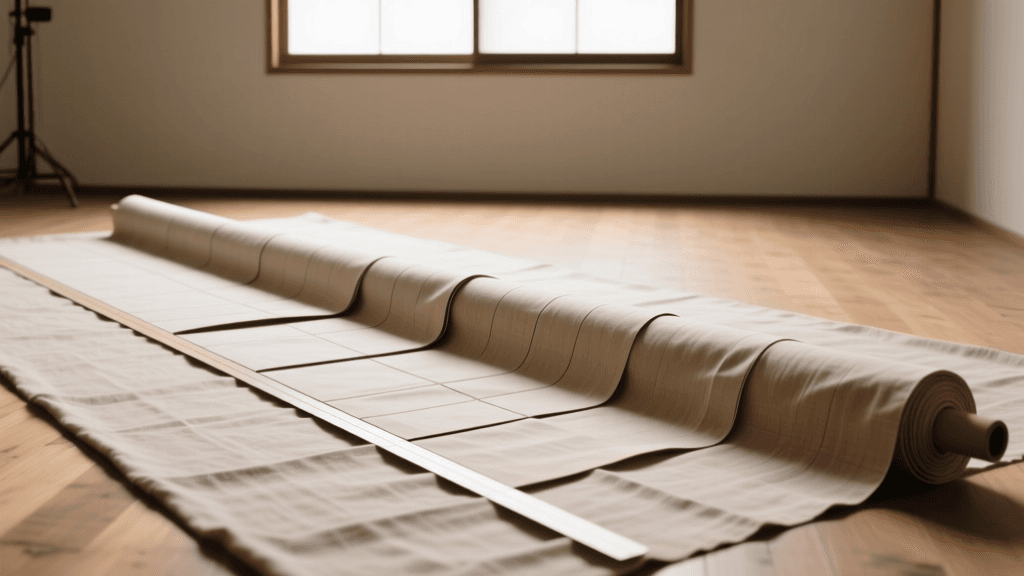
Raw silk (Sheng Chou) and ramie (Xia Bu) are the premier choices. Raw silk retains its natural sericin protein, which provides a slight, grounding texture against the skin, while ramie offers unparalleled breathability and a natural stiffness that keeps the fabric from clinging to the body during sweat-inducing active Qigong sessions. Furthermore, garments dyed using traditional eco-friendly methods—such as indigo, tea, or gambier juice (Xiangyunsha)—offer subtle aromatherapeutic benefits. The earthy, residual scent of natural dyes can trigger olfactory grounding, helping practitioners enter a meditative state faster.
Fabric Comparison for Wellness Practices
| Fabric Type | Breathability | Qi Flow Rating | Best Practice Application | Average 2026 Cost |
|---|---|---|---|---|
| Raw Silk (Sheng Chou) | High | Excellent | Seated Meditation, Yin Yoga | $120 - $250 |
| Ramie (Xia Bu) | Very High | Very Good | Active Qigong, Ba Duan Jin | $85 - $180 |
| Gambiered Silk (Xiangyunsha) | Moderate | Excellent | Outdoor Tai Chi, Grounding | $200 - $450 |
| Organic Linen | High | Good | Morning Stretching, Breathwork | $60 - $140 |
Top Hanfu Silhouettes for Unrestricted Breathwork
The structural design of Hanfu is inherently suited for the physical demands of Chinese wellness practices. The absence of restrictive buttons, tight waistbands, and rigid seams allows for the expansion of the lower dantian (the body's energetic center located just below the navel). Here are the top three silhouettes for practitioners in 2026.
1. The Daopao (Daoist Robe) for Deep Grounding
The Daopao is a wide-sleeved, full-length robe traditionally worn by Daoist scholars and monks. Its defining feature is the deep side slits and the generous volume through the torso. For seated meditation or slow, grounding Qigong forms like Zhan Zhuang (standing like a tree), the Daopao is unmatched. The weight of the heavy linen or raw silk drapes downward, providing a gentle, continuous sensory reminder to relax the shoulders and sink the Qi. The cross-collar (jiaoling youren) naturally aligns with the Ren Mai (Conception Vessel) meridian, promoting a sense of central physical and energetic alignment. When sourcing a Daopao for wellness, look for a sleeve width of at least 45 centimeters to ensure complete freedom of movement during arm raises.
2. The Yese (Cross-Collar Shirt) and Kuanku (Wide Trousers)
For more dynamic practices such as the Eight Brocades (Ba Duan Jin) or Tai Chi sword forms, a full-length robe might pose a tripping hazard or cause overheating. The Yese, a traditional cross-collared shirt paired with Kuanku (wide-legged trousers), is the ideal alternative. The Yese provides the meridian-aligning benefits of the cross-collar while allowing the lower body to move independently. In 2026, many modern artisans have introduced hidden elasticated waistbands with traditional drawstrings in the Kuanku, blending historical aesthetics with the practical security needed for deep stances like the horse stance (Ma Bu).
3. The Wide-Sleeved Shan for Energy Flow
The Shan is a lighter, unlined upper garment. A wide-sleeved Shan made from lightweight ramie is perfect for summer Qigong sessions. The expansive sleeves act as physical extensions of the arms, making the flow of Qi visible during movements like "Cloud Hands" or "Parting the Wild Horse's Mane." The visual feedback of the fabric rippling through the air helps practitioners maintain a smooth, continuous tempo, which is a core tenet of Harvard Health Publishing's guidelines on maximizing the cardiovascular and stress-reduction benefits of Tai Chi and Qigong.
Sourcing Authentic Wellness Hanfu in 2026
As the demand for mindful, sustainable clothing has peaked in 2026, finding authentic Hanfu tailored specifically for wellness has become easier, though it requires discernment. Avoid mass-produced, synthetic costume replicas found on fast-fashion marketplaces. Instead, seek out specialized ateliers that focus on "Zen-style" (Zen-feng) or traditional Daoist-cut garments. Look for sellers who provide detailed fabric composition charts and utilize traditional flat-felling seam techniques, which prevent the seams from chafing the skin during repetitive movements. Pricing for a high-quality, natural-fiber Hanfu set designed for Qigong typically ranges from $150 to $350, reflecting the cost of sustainable textiles and ethical craftsmanship.
Structuring Your Hanfu Meditation Routine
To fully integrate your traditional garments into your wellness practice, consider adopting a mindful dressing ritual. This transitions the brain from the stress of daily life into a state of focused calm.
- Step 1: The Cleansing Breath. Before putting on your Hanfu, stand in a neutral position and take three deep diaphragmatic breaths, setting your intention for the practice.
- Step 2: Mindful Layering. Put on your inner garments (Zhongyi) first, ensuring they are smooth against the skin. Tie the inner ribbons gently; avoid pulling them tight, as this restricts the intercostal muscles needed for deep breathing.
- Step 3: Securing the Outer Robe. Wrap the outer Daopao or Yese left over right (the traditional Hanfu rule for the living). Secure the waist tie (Jiadai) just below the navel, resting it lightly over the lower dantian without compressing it.
- Step 4: Sleeve Adjustment. Shake your arms gently to let the wide sleeves fall naturally. Ensure no fabric is caught at the elbows or shoulders.
- Step 5: Commence Practice. Begin your Qigong sequence or sit on your meditation cushion, using the physical weight and drape of the Hanfu as your primary focal point for grounding.
Conclusion
The revival of Hanfu in the 2026 wellness space is a testament to the enduring wisdom of traditional Chinese culture. By choosing the right natural fabrics and historically accurate silhouettes like the Daopao and Yese, practitioners can significantly enhance their Qigong and meditation routines. The garment becomes more than just clothing; it transforms into a wearable sanctuary that supports breathwork, meridian alignment, and profound mental stillness. Whether you are practicing the Eight Brocades at sunrise or engaging in deep seated meditation, authentic Hanfu offers a beautiful, functional bridge between ancient tradition and modern holistic health.