Best Hanfu Styles for Tai Chi and Qigong Wellness Practice in 2026
The Intersection of Hanfu and Traditional Chinese Wellness in 2026
In 2026, the global wellness movement has fully embraced traditional Chinese practices, merging ancient physical disciplines with mindful living. As the Xin Zhongshi (New Chinese Style) movement continues to evolve, practitioners of Tai Chi and Qigong are increasingly turning to authentic Hanfu to deepen their mind-body connection. Wearing traditional garments during wellness routines is no longer just about aesthetics; it is a functional choice that enhances proprioception, breathwork, and the unhindered flow of Qi (vital energy).
According to the National Center for Complementary and Integrative Health, mind-body practices like Tai Chi significantly improve balance, reduce stress, and enhance cardiovascular health. However, modern activewear, with its compressive synthetic fabrics, can sometimes restrict the deep diaphragmatic breathing required for advanced Qigong. Traditional Hanfu, with its flat-cut construction and generous draping, offers a biomechanical advantage for these specific movements, allowing the body to expand and contract naturally without fabric tension pulling against the skin.
Why Fabric Choice Matters for Qi Flow and Thermoregulation
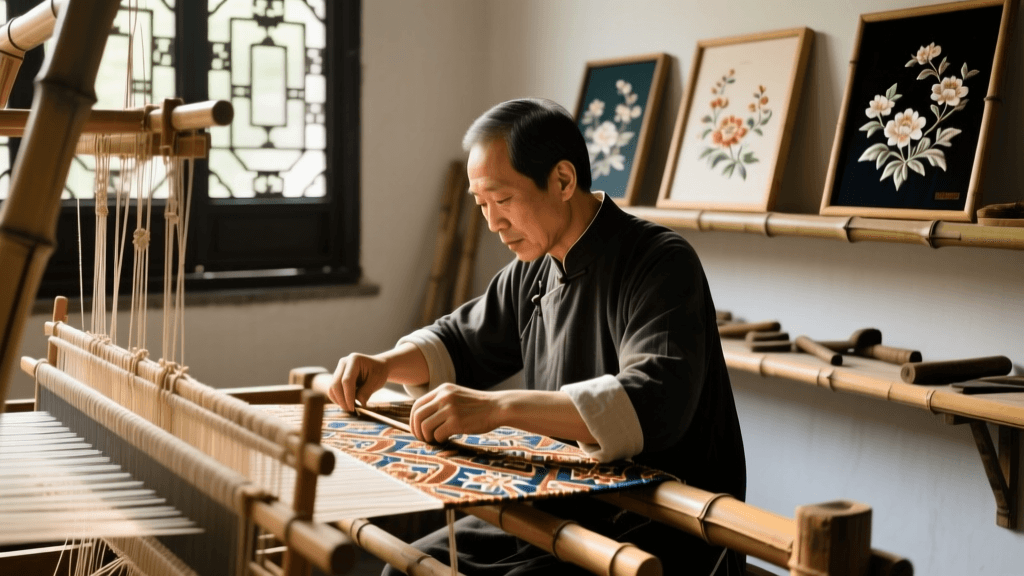
The foundation of a wellness-oriented Hanfu wardrobe lies in the textile. In 2026, there has been a massive resurgence in heritage weaving techniques that prioritize breathability and skin health. When practicing the 24-form Yang style Tai Chi outdoors at dawn, thermoregulation is critical.
Xiangyunsha (Gambiered Guangdong Silk)
Known as 'soft gold,' Xiangyunsha is a heritage silk dyed with yam juice and river mud. For 2026 summer wellness retreats, this fabric is unparalleled. It is naturally antimicrobial, highly breathable, and possesses a crisp, cool drape that does not cling to the skin when you perspire during vigorous Ba Duan Jin (Eight Brocades) Qigong. Its slight stiffness provides excellent structural feedback, helping practitioners maintain awareness of their limb positioning during slow, deliberate forms.
Raw Summer Linen (Xia Bu)
For those who prefer a more grounded, earthy texture, raw hand-woven linen is the premier choice. Unlike modern chemically softened linens, traditional Xia Bu retains a natural slub and texture that stimulates the skin's surface, which traditional Chinese medicine practitioners believe helps awaken the meridian lines. Linen's exceptional moisture-wicking properties make it ideal for high-intensity internal martial arts conditioning.
Top Hanfu Silhouettes for Unrestricted Movement
Not all Hanfu styles are suited for martial arts or wellness practices. Court garments with floor-length sleeves and heavy layers will impede movement. Instead, practitioners in 2026 favor specific historical silhouettes designed for mobility, monastic life, and martial training.
The Daopao (Taoist Robe)
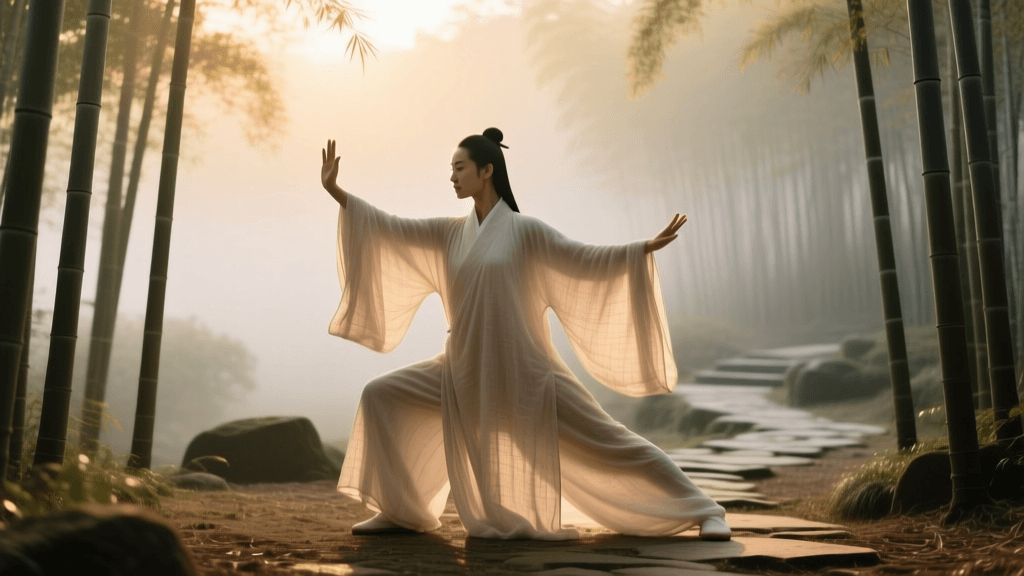
The Daopao is a cross-collared, wide-sleeved robe characterized by deep side slits and hidden pleats. Historically worn by Taoist monks, it is the quintessential garment for slow, flowing Tai Chi. The deep pleats at the sides allow for wide stances, such as the 'Snake Creeps Down' posture, without the fabric pulling at the shoulders. The wide sleeves create a beautiful, sweeping visual trail that helps practitioners visualize the circular flow of their energy.
The Yisan (Yesa Robe)
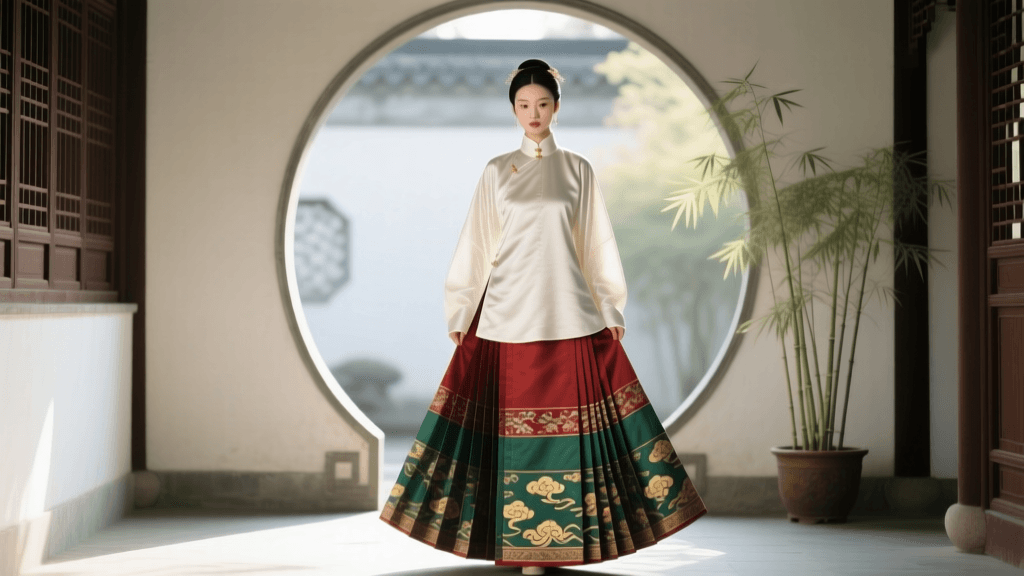
Originating from the Ming Dynasty, the Yisan features a pleated skirt attached to a fitted bodice, with distinct side panels that offer incredible leg mobility. This silhouette is highly recommended for Chen-style Tai Chi, which incorporates lower stances, sudden stomping, and explosive Fajin (releasing power) movements. The structured bodice supports the core, while the pleated lower half allows for deep lunges and sweeping kicks.
Duanhe (Short Jacket) and Kuzhe (Trousers)
For dynamic Qigong, Wu Qin Xi (Five Animal Frolics), or morning joint-loosening exercises, a full robe may be excessive. The Duanhe, a short cross-collared jacket paired with loose-fitting Kuzhe trousers, provides maximum agility. In 2026, many contemporary heritage brands offer Duanhe sets with bound cuffs (Shoukui), which prevent the sleeves from sliding down the forearm during inverted hand positions or ground-work.
2026 Buyer’s Guide: Matching Garment to Practice
Selecting the right combination of silhouette and fabric is essential for optimizing your wellness routine. Below is a comprehensive comparison chart tailored for this year's market offerings.
| Garment Style | Ideal Practice | Sleeve Construction | Recommended 2026 Fabric |
|---|---|---|---|
| Daopao (Taoist Robe) | Yang Style Tai Chi, Standing Meditation (Zhan Zhuang) | Wide, unbound (Pipa sleeves) | Xiangyunsha Silk, Lightweight Mulberry Silk |
| Yisan (Yesa) | Chen Style Tai Chi, Baguazhang Circle Walking | Narrower, tapered with optional cuff | Cotton-Linen Blends, Raw Xia Bu Linen |
| Duanhe (Short Jacket) | Ba Duan Jin Qigong, Wu Qin Xi, Joint Mobility | Bound cuffs (Shoukui) for precision | Heavyweight Ramie, Organic Hemp |
| Jiaoling Ruqun (Cross-collar Skirt) | Slow Flow Qigong, Tai Chi Fan | Medium width, slightly gathered | Gambiered Silk top, Pleated Linen skirt |
Critical Tailoring Adjustments for Martial Arts
Off-the-rack Hanfu is often tailored for static wear or casual walking. For Tai Chi and Qigong, specific tailoring adjustments are necessary to accommodate the extreme ranges of motion. As highlighted by research on the biomechanics of traditional practices from Harvard Medical School, unrestricted shoulder and thoracic mobility is vital for reaping the full cardiovascular and postural benefits of Tai Chi.
- Armhole Depth: Standard Hanfu armholes can be shallow. Request your tailor to drop the armhole by 3 to 5 centimeters. This prevents the entire hem of the robe from lifting when you raise your arms above your head for 'White Crane Spreads Wings.'
- Underarm Gussets: Adding a diamond-shaped gusset under the armpit provides extra fabric yield, preventing seam blowouts during wide, expansive chest-opening movements.
- Hem Length: For outdoor park practice, ensure the front hem of a Daopao or Yisan is cut 5 centimeters shorter than the back hem. This accounts for the forward tilt of the pelvis during deep horse stances, preventing you from stepping on your own garment.
Caring for Your Wellness Hanfu
Garments used for wellness practices are exposed to sweat, morning dew, and frequent washing. Proper maintenance ensures the longevity of heritage textiles.
For Xiangyunsha silk, never use alkaline detergents, as they will strip the natural river mud coating that gives the fabric its unique properties. Hand wash in cool water with a pH-neutral silk wash, and dry in the shade. The 2026 consensus among textile conservators is that Xiangyunsha actually improves and softens with regular wear and gentle washing, developing a beautiful patina over time.
Raw linen garments should be machine washed on a gentle, cold cycle to maintain their structural integrity. Avoid the tumble dryer entirely; instead, shake the garment out vigorously while wet to align the fibers and hang it to air dry. This preserves the natural stiffness that provides proprioceptive feedback during your Qigong forms.
Conclusion
The integration of Hanfu into Tai Chi and Qigong is a profound way to honor the cultural roots of these practices, recognized globally for their heritage value, including UNESCO's Intangible Cultural Heritage listing for Taijiquan. By carefully selecting the right silhouette, prioritizing natural, breathable textiles like Xiangyunsha and raw linen, and ensuring your garments are tailored for dynamic movement, you elevate your daily wellness routine from a simple exercise into a holistic, culturally immersive experience. In 2026, dressing with intention is the ultimate key to unlocking the full physical and spiritual benefits of traditional Chinese wellness arts.