Top Hanfu Styles for Qigong and Meditation in 2026
The Intersection of Hanfu and Mind-Body Wellness in 2026
As we navigate the wellness landscape of 2026, there has been a profound shift away from synthetic, mass-produced athleisure toward garments that offer both cultural grounding and physical functionality. For practitioners of traditional Chinese wellness arts—such as Qigong, Tai Chi, and seated meditation—the clothing worn during practice is not merely aesthetic; it is an extension of the body's energy system. Hanfu, the traditional clothing of the Han Chinese, has seen a massive resurgence in wellness studios globally, prized for its loose silhouettes, natural fibers, and alignment with Traditional Chinese Medicine (TCM) principles.
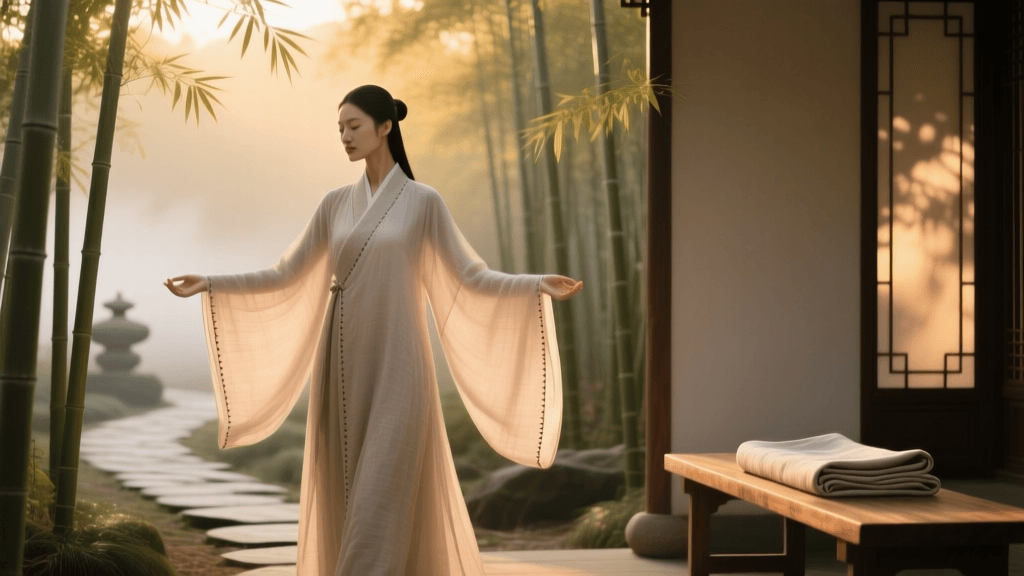
According to the World Health Organization, the integration of traditional and complementary medicine into modern wellness routines has reached unprecedented levels, with mind-body practices leading the charge. When you practice Qigong, the goal is to cultivate and balance your Qi (vital energy). Restrictive clothing can impede the flow of Qi through the body's meridians. Hanfu, with its emphasis on draped fabrics, cross-collars, and wide sleeves, allows for unrestricted movement and breathwork, making it the ultimate garment for deep meditative states and dynamic martial forms.
Key Hanfu Styles for Qigong and Tai Chi
Not all Hanfu styles are suited for physical movement. While heavily layered court garments are beautiful, they are impractical for a morning Qigong session. In 2026, wellness practitioners are favoring specific historical cuts that prioritize mobility, breathability, and grounding.
The Daopao (Taoist Robe)
The Daopao is arguably the most iconic and functional garment for Qigong and Tai Chi. Characterized by its cross-collar, wide sleeves, and side slits (kaicha), the Daopao allows for deep stances like the Ma Bu (horse stance) without the fabric pulling at the knees or hips. The wide sleeves, typically measuring 40 to 50 centimeters in width, are perfect for 'Cloud Hands' movements, allowing the practitioner to feel the air resistance and cultivate a deeper mind-body connection. Modern 2026 iterations of the Daopao often feature hidden inner pockets and reinforced stitching at the stress points to accommodate daily practice.
Jiaoling Ruqun (Cross-Collar Blouse and Skirt)
For those who prefer a two-piece garment, the Jiaoling Ruqun is an excellent choice. The top (Ru) is a cross-collar blouse that wraps right over left—a crucial detail in Hanfu that aligns with the Yang-over-Yin principle in TCM. The skirt (Qun) is typically a pleated or wrap skirt tied at the natural waist. This style is particularly favored for seated meditation and gentle, standing Qigong forms, as the separate pieces allow for superior temperature regulation and ease of dressing.
Yesa (Yesa Robe)
For practitioners engaging in more vigorous, martial-oriented Qigong or dynamic Tai Chi sword forms, the Yesa robe offers a more tailored fit. Featuring a cross-collar and side pleats that flare out from the waist, the Yesa provides a slightly more structured silhouette while maintaining complete freedom of movement in the lower body. It is often paired with loose-fitting trousers (Ku) underneath, ensuring modesty and comfort during high kicks or deep lunges.
Fabric Selection: Breathability and Grounding
The material of your Hanfu is just as important as the cut. In 2026, the market has seen a surge in eco-friendly, naturally dyed fabrics that cater specifically to the wellness community. Synthetic blends are strictly avoided, as they trap heat and disrupt the body's natural thermoregulation during intense breathwork.
- Heavyweight Washed Linen (180-220 GSM): Linen is the gold standard for summer Qigong. It is highly breathable, moisture-wicking, and has a natural weight that provides a 'grounding' sensation, helping practitioners feel more connected to the earth during standing meditation.
- Raw Silk and Peace Silk: For cooler climates or indoor studio practice, raw silk offers incredible temperature regulation. It warms the body when cool and breathes when warm. Peace silk (Ahimsa silk) has become the ethical standard in 2026, ensuring no silkworms are harmed in the production process.
- Organic Hemp Blends: Hemp is naturally antimicrobial and incredibly durable. Blends of hemp and organic cotton offer a soft drape that moves fluidly with the body, making it ideal for slow, deliberate Tai Chi movements.
Comparison Chart: Hanfu Styles for Wellness Practices
To help you select the right garment for your specific practice, refer to the 2026 buyer's comparison chart below:
| Hanfu Style | Best Practice Match | Recommended Fabric | Avg 2026 Price (USD) | Mobility Rating |
|---|---|---|---|---|
| Daopao (Taoist Robe) | Tai Chi, Dynamic Qigong | Washed Linen, Hemp | $85 - $140 | Excellent |
| Jiaoling Ruqun | Seated Meditation, Gentle Qigong | Raw Silk, Organic Cotton | $60 - $110 | Very Good |
| Yesa Robe | Martial Qigong, Sword Forms | Cotton-Linen Blend | $90 - $150 | Excellent |
| Duan Da (Short Garment) | High-Intensity Martial Arts | Lightweight Canvas | $45 - $75 | Maximum |
Practical Sizing and Fit for Unrestricted Qi Flow
When ordering Hanfu for wellness practices, standard fashion sizing does not apply. The fit must accommodate a full range of motion and deep diaphragmatic breathing. According to research highlighted by Harvard Health Publishing, the physical benefits of Tai Chi and Qigong are maximized when the practitioner can move fluidly without physical restriction, which directly translates to how your garment should fit.
Here are the critical measurement guidelines for 2026:
- Sleeve Length: For Daopao and Yesa, the sleeve should extend past the wrist by at least 10 to 15 centimeters when your arms are resting at your sides. This ensures that when you raise your arms for 'Holding the Ball' or 'Pushing the Mountain,' the fabric does not pull back and expose your wrists, which are considered vulnerable points for wind-cold invasion in TCM.
- Shoulder and Chest: The shoulder seam should drop slightly past your natural shoulder line (a drop-shoulder fit). The chest must have at least 15 centimeters of positive ease to allow for deep, expansive belly breathing without the cross-collar gaping open.
- Hemline: For standing practices, the hem of the robe or skirt should sit exactly 3 to 5 centimeters off the ground. This prevents tripping during stepping meditation while maintaining the traditional elegant drape.
Integrating Garment Care into Your Meditation Routine
In the tradition of Chinese wellness, the care of your tools is a practice in itself. The Mayo Clinic notes that mindfulness can be integrated into everyday activities to reduce stress and promote mental clarity. Washing and folding your Hanfu should not be viewed as a chore, but as a mindful transition into or out of your wellness routine.
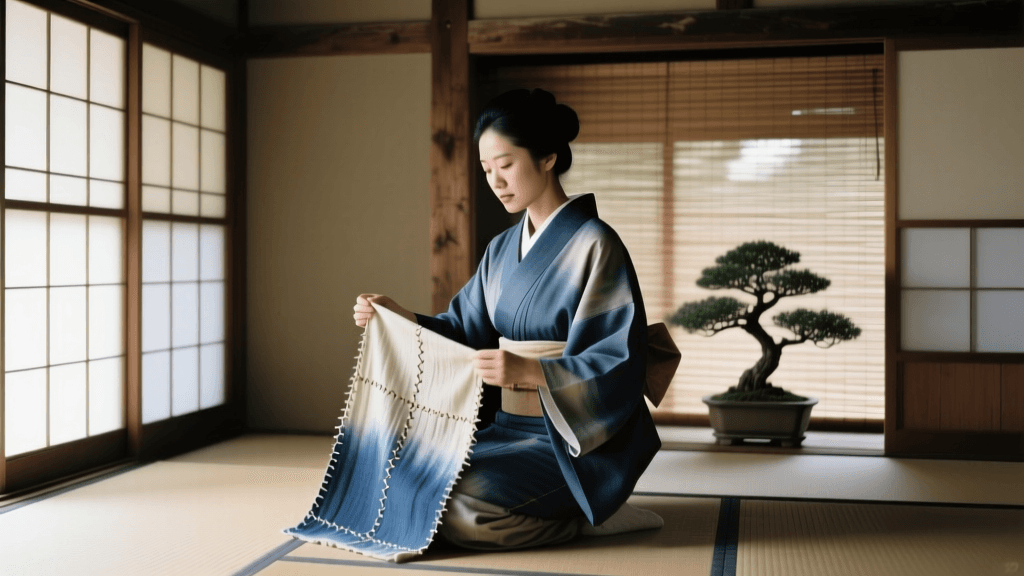
Use natural, pH-neutral detergents like soap nut liquid or castile soap to preserve the integrity of natural fibers and eco-friendly dyes. Hand-washing your linen or silk Hanfu in cool water allows you to practice mindful breathing, focusing on the sensation of the water and the rhythm of your movements. When drying, lay the garments flat in the shade. The act of carefully folding the wide sleeves and aligning the cross-collars is an excellent grounding exercise, helping to quiet the mind before you even step onto your meditation cushion.
Sourcing Authentic and Functional Hanfu in 2026
The 2026 market is saturated with fast-fashion Hanfu, which often utilizes polyester blends and historically inaccurate cuts that restrict movement. For wellness practitioners, it is vital to source from specialized artisans and dedicated Hanfu studios that understand the biomechanics of Qigong. Look for vendors that provide detailed, flat-lay measurement charts rather than generic S/M/L sizing. Many premium studios now offer custom inseam and sleeve-length adjustments for a modest tailoring fee (typically $15 to $25), which is highly recommended for practitioners who take their daily movements seriously.
By choosing the right Hanfu, you are not just wearing a piece of history; you are donning a tool that facilitates deeper breath, smoother movement, and a more profound connection to the ancient wellness traditions of Asia. Whether you are flowing through a Tai Chi form in a linen Daopao or sitting in silent meditation in a silk Ruqun, the right garment will elevate your practice to new heights in 2026 and beyond.