Everyday vs Ceremonial Hanbok: 2026 Fashion Guide
The Evolution of the Hanbok: From Daily Uniform to Ceremonial Splendor
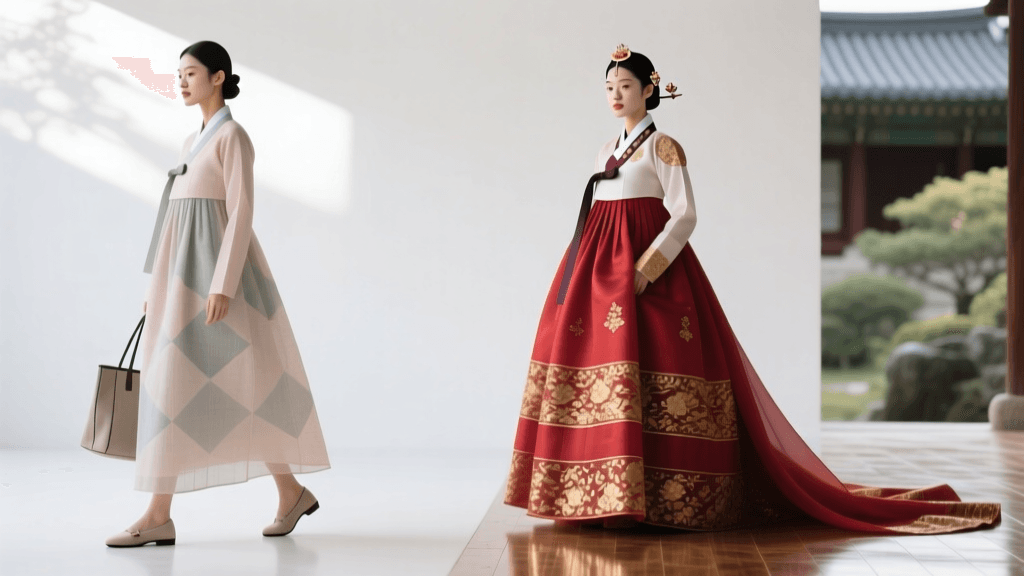
The hanbok, the traditional Korean garment, is celebrated worldwide for its vibrant colors, elegant lines, and deep cultural significance. Historically worn every day by Koreans across all social classes, the hanbok gradually transitioned into ceremonial and holiday wear during the 20th century. However, as we navigate the fashion landscape of 2026, a fascinating dichotomy has emerged. On one hand, we have the opulent, highly structured ceremonial hanbok reserved for weddings, holidays, and rites of passage. On the other, the saenghwal hanbok (everyday living hanbok) has experienced a massive renaissance, blending historical silhouettes with modern practicality.
According to Britannica's comprehensive guide to the Hanbok, the fundamental structure of the garment—comprising the jeogori (jacket) and chima (skirt) for women, and jeogori and baji (trousers) for men—has remained remarkably consistent for centuries. Yet, the way we wear, style, and manufacture these garments in 2026 highlights a stark contrast between ceremonial grandeur and everyday utility.
Ceremonial Hanbok: Hwalot, Wonsam, and Modern Honsu
Ceremonial hanbok is designed to command attention, convey social status, and honor tradition. In 2026, the most prominent ceremonial garments remain the hwalot (a heavily embroidered princess's robe), the wonsam (a queen's ceremonial robe), and the honsu (traditional wedding attire). These garments are masterpieces of textile art, often requiring hundreds of hours of hand-embroidery.
Fabrics and Construction
Modern ceremonial hanbok relies heavily on premium natural fibers. Pure silk, silk brocade, and ramie are the standard. In 2026, artisans are increasingly incorporating sustainable, cruelty-free peace silk (ahimsa silk) into high-end bridal sets, responding to eco-conscious demands without sacrificing the luxurious drape required for formal wear. The embroidery typically features auspicious symbols like peonies (wealth and honor), phoenixes (royalty and balance), and bats (good fortune).
The 2026 Cost of Ceremonial Wear
Investing in a custom ceremonial hanbok is a significant financial commitment. As of 2026, a bespoke bridal hwalot set, complete with hand-stitched motifs and matching accessories, ranges from $2,200 to $6,500. Off-the-rack ceremonial sets from premium boutiques in Seoul's Bukchon Hanok Village typically start around $1,200. Because these garments are worn rarely, many families in 2026 opt for specialized rental services, which offer pristine, high-end ceremonial sets for $150 to $300 per day.
The Rise of Saenghwal Hanbok: Everyday Wear in 2026
While ceremonial wear preserves the past, saenghwal hanbok is actively shaping the future of Korean fashion. Translating to 'living hanbok,' this category adapts the traditional silhouette for the fast-paced realities of modern life. In 2026, daily hanbok is no longer a niche subculture; it is a thriving segment of the contemporary fashion market, championed by brands like Leesle, Danha, and numerous independent designers who showcase at Seoul Fashion Week.
Design Innovations for Modern Life
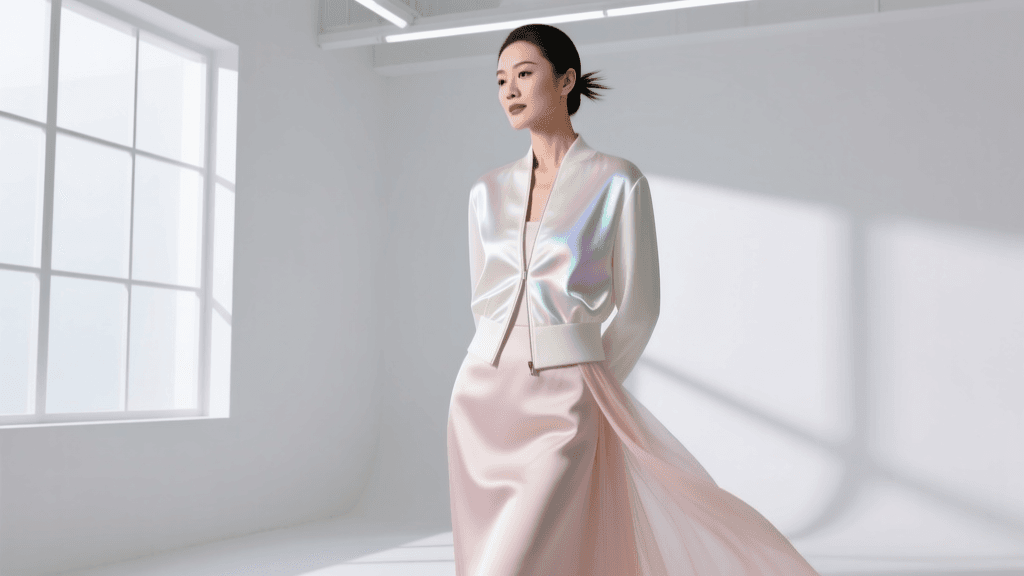
The everyday hanbok of 2026 solves the historical pain points of the garment. Traditional skirts require complex tying and can drag on the ground. Modern iterations feature hidden side zippers, elasticized waistbands, and midi-length hems that prevent tripping on subway stairs. The jeogori is often tailored with subtle darts for a more contemporary fit, and traditional sleeve curves (baerae) are sometimes narrowed to prevent catching on desk edges or door handles.
Fabric Technology
The most significant leap in 2026's daily hanbok market is fabric technology. Designers are utilizing advanced polyester-silk blends, Tencel, and wrinkle-release weaves. These materials offer the lustrous sheen of traditional silk but are entirely machine-washable and resistant to creasing. As noted by the official Korea.net cultural portal, the integration of modern textiles has been pivotal in making the hanbok accessible and practical for daily wear, encouraging younger generations to embrace their heritage outside of major holidays.
Pricing and Accessibility
Everyday hanbok is highly accessible. A high-quality, ready-to-wear saenghwal hanbok set from a reputable contemporary brand costs between $90 and $280 in 2026. Mix-and-match pieces are also popular, with standalone modern chima skirts priced around $60, allowing wearers to pair them with standard Western blouses or knitwear.
Comparison Chart: Ceremonial vs. Everyday Hanbok (2026)
| Feature | Ceremonial Hanbok (Hwalot/Honsu) | Everyday Hanbok (Saenghwal) |
|---|---|---|
| Primary Occasions | Weddings, Doljanchi (1st birthdays), major ancestral rites | Daily office wear, cafe visits, casual outings, travel |
| Fabrics | 100% Silk, Brocade, Ramie, Peace Silk | Poly-silk blends, Tencel, Cotton, Wrinkle-release weaves |
| Skirt Length & Closure | Floor-sweeping; traditional fabric ties (goreum) | Midi or ankle-length; hidden zippers, elastic waists |
| Embellishments | Heavy hand-embroidery, gold leaf (geumbak) | Minimalist; subtle tonal stitching, modern prints |
| 2026 Price Range | $1,200 - $6,500+ | $90 - $280 |
| Maintenance | Specialist dry cleaning only, careful archival storage | Machine washable (cold, gentle cycle), low-heat iron |
Styling Your Hanbok in 2026: Footwear and Accessories
Styling is where the divergence between ceremonial and everyday wear becomes most apparent. The accessories you choose will either elevate the garment to formal status or ground it in contemporary street style.
Ceremonial Styling
For formal events, traditional footwear is non-negotiable. Women wear kkotsin (silk shoes with embroidered floral motifs), while men wear heukhye (black leather shoes). In 2026, ceremonial styling often includes a daenggi (traditional ribbon) woven into braided hair, and a heavy, multi-tiered norigae (decorative pendant) attached to the goreum (coat strings) or waist. The makeup is typically classic, featuring a softer, matte finish with traditional red lip tints.
Everyday Styling
The beauty of the 2026 saenghwal hanbok lies in its versatility. For a chic, modern look, pair a midi-length daily chima with chunky leather loafers, minimalist white sneakers, or even ankle boots in the winter. Instead of a traditional norigae, everyday wearers opt for delicate gold drop earrings or a sleek, modern crossbody bag. The jeogori can be swapped entirely for a fitted turtleneck or a cropped denim jacket, allowing the traditional skirt to serve as a statement piece in an otherwise contemporary wardrobe.
Care and Maintenance: Preserving Your Garments
Proper care ensures your garments last for generations, but the methods differ wildly between the two categories.
Caring for Ceremonial Silk
Ceremonial hanbok must never be washed at home. The heavy embroidery and delicate silk structures require specialist dry cleaning. After wearing, the garment should be aired out in a shaded, well-ventilated area before being folded along its original crease lines. In 2026, many collectors and brides use acid-free archival tissue paper and breathable cotton garment bags to prevent the silk from yellowing or degrading over time.
Washing Everyday Hanbok
The convenience of modern saenghwal hanbok is its easy care. Always check the care label, but most 2026 poly-silk blends can be machine washed. Use a mesh laundry bag, select the delicate or hand-wash cycle, and use a neutral pH detergent. Never use bleach or fabric softeners, as they can break down the synthetic fibers and dull the fabric's natural sheen. Hang the skirt to dry on a padded hanger to maintain the waistband's shape, and use a low-heat steamer to remove any lingering wrinkles.
Where to Shop for Hanbok in 2026
Whether you are seeking a breathtaking ceremonial piece or a practical daily skirt, the retail landscape in 2026 offers diverse options. For ceremonial wear, the boutiques surrounding Gyeongbokgung Palace and Bukchon Hanok Village in Seoul remain the gold standard, offering bespoke tailoring and historical accuracy. The National Folk Museum of Korea also frequently hosts exhibitions and pop-up shops featuring certified master artisans, providing a trusted avenue for purchasing historically accurate garments.
For everyday saenghwal hanbok, online platforms are king. Brands like Leesle and Danha operate robust e-commerce stores with global shipping, utilizing AI-driven virtual fitting rooms to help international buyers find the perfect size. Additionally, independent designers on platforms like Etsy and local Korean marketplaces offer unique, small-batch daily hanbok pieces that blend traditional motifs with avant-garde 2026 streetwear aesthetics.
Conclusion
The hanbok is not a relic trapped in the past; it is a living, breathing garment that continues to evolve. In 2026, the distinction between ceremonial and everyday hanbok is clearer than ever, yet both serve a vital purpose. Ceremonial hanbok connects us to our ancestors, preserving centuries of artistry, symbolism, and cultural pride during life's most significant milestones. Meanwhile, the everyday saenghwal hanbok proves that traditional beauty can seamlessly integrate into the rhythm of modern life. By understanding the differences in fabric, construction, and styling, you can confidently embrace this magnificent tradition, whether you are walking down the aisle or simply walking to your favorite local cafe.