Top Seoul Boutiques for Custom Silk Hanbok Online Shopping 2026
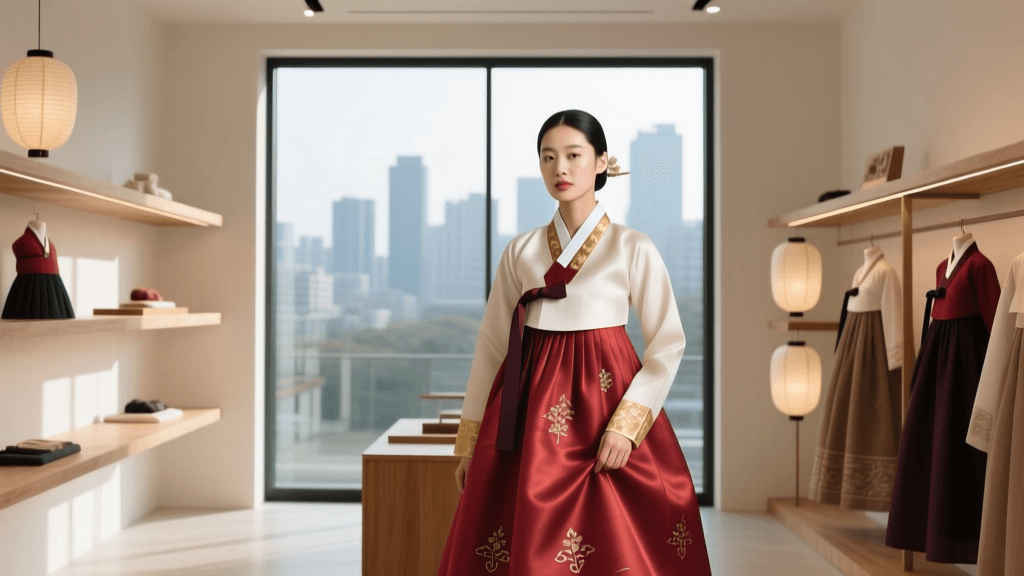
The global fascination with traditional Korean attire has reached unprecedented heights in 2026. Driven by a renewed international appreciation for East Asian heritage and the continuous global influence of Korean culture, the demand for authentic, custom-tailored silk hanbok has surged. However, international buyers navigating the digital landscape often fall into the trap of purchasing mass-produced, synthetic "costume" hanbok from generic fast-fashion marketplaces. For those seeking genuine craftsmanship, understanding how to source authentic custom silk hanbok directly from Seoul-based boutiques and specialized Korean e-commerce platforms is essential.
The Evolution of Global Hanbok Shopping in 2026
Shopping for traditional garments internationally was once a logistical nightmare, fraught with sizing errors and opaque shipping processes. In 2026, the landscape has been revolutionized by technology. Leading Korean e-commerce platforms and independent Seoul boutiques now integrate smartphone LiDAR scanning and AI-driven augmented reality (AR) fitting rooms. These tools allow international buyers to capture precise body measurements and visualize how different silk weights and colors will drape on their specific body type before commissioning a piece.
Furthermore, the preservation of these sartorial traditions is heavily supported by cultural institutions. According to resources provided by the Korean Cultural Center USA, the global promotion of traditional Korean crafts has led to stricter online certification processes, helping buyers distinguish between genuine master-tailored garments and factory-made imitations. This digital infrastructure ensures that when you invest in a custom piece, you are supporting authentic artisanship.
Understanding Authentic Hanbok Fabrics
Before navigating online marketplaces, it is crucial to understand the terminology of traditional Korean textiles. Mass-produced hanbok are typically made from polyester blends that lack the breathability, luster, and structural integrity of natural fibers. When browsing Seoul boutiques, look for these specific authentic silk varieties:
- Myeongju (명주): A traditional, tightly woven raw silk. It is durable, has a subtle natural sheen, and holds the structured lines of the chima (skirt) and jeogori (jacket) beautifully. It is the gold standard for formal and ceremonial hanbok.
- Gapsa (갑사): A lightweight, sheer silk gauze often used for summer hanbok or as an overlay layer. It provides a delicate, ethereal drape and is highly prized for its breathability.
- Sa (사): A loosely woven silk mesh that offers exceptional ventilation, historically worn by royalty and nobility during the humid Korean summers.
The The Metropolitan Museum of Art's Asian Art Department notes that the historical significance of these specific weaving techniques is deeply tied to Korean identity, making the preservation and modern use of Myeongju and Gapsa a vital part of living cultural heritage.
Where to Buy: Navigating Korean Online Marketplaces
To bypass dropshippers and connect directly with Seoul-based artisans, international buyers should utilize specialized domestic platforms that offer global shipping or proxy purchasing services.
1. Idus (아이디어스)
Often described as the premier handcraft marketplace of Korea, Idus is where independent artisans and certified myeongjang (master craftsmen) sell directly to consumers. In 2026, Idus has expanded its international shipping partnerships, allowing global buyers to commission custom silk hanbok directly from the creator's studio in neighborhoods like Bukchon Hanok Village. The platform requires artisans to verify their materials, ensuring that a listing labeled "100% Myeongju" is genuinely authentic.
2. Gmarket Global (Traditional Crafts Sector)
While Gmarket is a massive general retailer, its dedicated traditional crafts and hanbok sections feature established Seoul-based boutiques. The advantage of Gmarket in 2026 is its robust English-language customer service and integrated EMS (Express Mail Service) shipping. Buyers can message sellers directly to request custom color palettes and provide specific measurements for tailored adjustments.
3. Direct Boutique Commissions via Social Commerce
Many of Seoul's most prestigious hanbok boutiques operate primarily through social commerce channels like Instagram and Naver Band. By following hashtags such as #전통한복 (Traditional Hanbok) or #명주한복 (Myeongju Hanbok), buyers can discover independent designers. These boutiques typically handle international commissions via direct messaging, providing digital lookbooks and fabric swatches shipped via DHL before finalizing the custom order.
The Essential Measurement Guide for Custom Tailoring
Unlike Western clothing, which relies on standardized S/M/L sizing, a proper hanbok requires precise, individualized measurements to ensure the jeogori sits correctly on the torso and the chima flows from the chest without restricting movement. When ordering online, Seoul tailors will require the following metrics:
| Measurement Term | Korean Term | How to Measure | Tailoring Importance |
|---|---|---|---|
| Chest / Bust | 가슴 (Gaseum) | Measure around the fullest part of the chest, keeping the tape level. | Determines the overlap and fit of the jeogori front panels. |
| Underbust / Ribcage | 밑가슴 (Mit-gaseum) | Measure directly under the bust where the chima waistband will sit. | Crucial for securing the skirt tightly without discomfort. |
| Waist | 허리 (Heori) | Measure the natural waistline. | Used for the inner ties and the baji (trousers) if ordering a set. |
| Arm Length | 팔길이 (Pal-gili) | Measure from the base of the neck, over the shoulder, to the wrist bone. | Ensures the sleeves cover the wrists elegantly, hiding the hands when resting. |
| Skirt Length | 치마길이 (Chima-gili) | Measure from the underbust down to the ankle bone. | Prevents the hem from dragging on the floor or exposing the ankles. |
Price Comparison and Investment Tiers in 2026
Investing in a custom silk hanbok is a significant financial commitment. The pricing structure in 2026 reflects the cost of raw natural silk, the labor-intensive traditional dyeing processes, and the artisan's expertise. Below is a comparative breakdown of what international buyers can expect to pay when shopping online.
| Hanbok Tier | Material & Construction | Estimated Price Range (USD) | Best Use Case |
|---|---|---|---|
| Mass-Produced / Costume | Polyester blends, machine-stitched, standard sizing. | $40 - $90 | Photo shoots, casual festivals, theatrical props. |
| Semi-Custom Blended Silk | Silk-polyester blends, semi-hand-stitched, tailored to basic measurements. | $250 - $450 | Weddings, formal cultural events, milestone celebrations. |
| Master-Tailored Pure Silk | 100% Myeongju or Gapsa, natural dyes, fully hand-stitched by certified artisans. | $900 - $2,800+ | Heirloom investments, high-end ceremonial wear, cultural preservation. |
Styling Your Custom Hanbok for Contemporary Events
While the construction of a traditional hanbok remains rooted in history, styling in 2026 embraces a sophisticated fusion of heritage and modernity. When commissioning your piece, consider how it will integrate with your existing wardrobe. Many modern buyers opt for a traditional silk chima paired with a simplified, contemporary jeogori that features minimalist embroidery and modern collar shapes. Accessorizing is equally important. Traditional kkotsin (floral shoes) remain popular for full ceremonial looks, but many international buyers pair their custom silk skirts with high-quality leather loafers or minimalist heels for gallery openings and formal dinners. Adding a modern norigae (decorative pendant) featuring semi-precious stones rather than traditional dyed silk tassels can bridge the gap between antique elegance and contemporary luxury.
Care, Maintenance, and International Shipping
Ordering from Seoul requires an understanding of international logistics and specialized garment care. In 2026, Korea Post EMS remains the most reliable and cost-effective shipping method for international hanbok orders, typically delivering to North America and Europe within 7 to 12 business days. Always request that the boutique ship the garment in a breathable cotton garment bag rather than sealed plastic, which can trap moisture and damage natural silk fibers during transit.
Once your custom silk hanbok arrives, proper maintenance is vital. Authentic Myeongju and naturally dyed silks should never be machine washed or exposed to harsh chemical dry-cleaning solvents. The UNESCO Intangible Cultural Heritage framework emphasizes the importance of preserving traditional textile knowledge, which includes specialized care. Seek out a dry cleaner in your local area who specializes in heritage textiles and bridal wear. When storing the garment, fold it along its original crease lines, wrap it in acid-free tissue paper, and place it in a cedar chest or a cool, dark, climate-controlled closet to prevent the natural dyes from fading or the silk proteins from degrading.
Conclusion
Purchasing a custom silk hanbok online from a Seoul boutique in 2026 is more than a simple transaction; it is an investment in wearable art and cultural preservation. By understanding fabric terminologies, utilizing specialized Korean e-commerce platforms, providing meticulous measurements, and committing to proper garment care, international buyers can successfully acquire authentic, master-tailored pieces that honor the rich legacy of Korean sartorial traditions.