Custom Qipao Online Shopping 2026: Taobao & Etsy Buyer Guide
The 2026 Qipao Renaissance: Heritage Meets Global E-Commerce
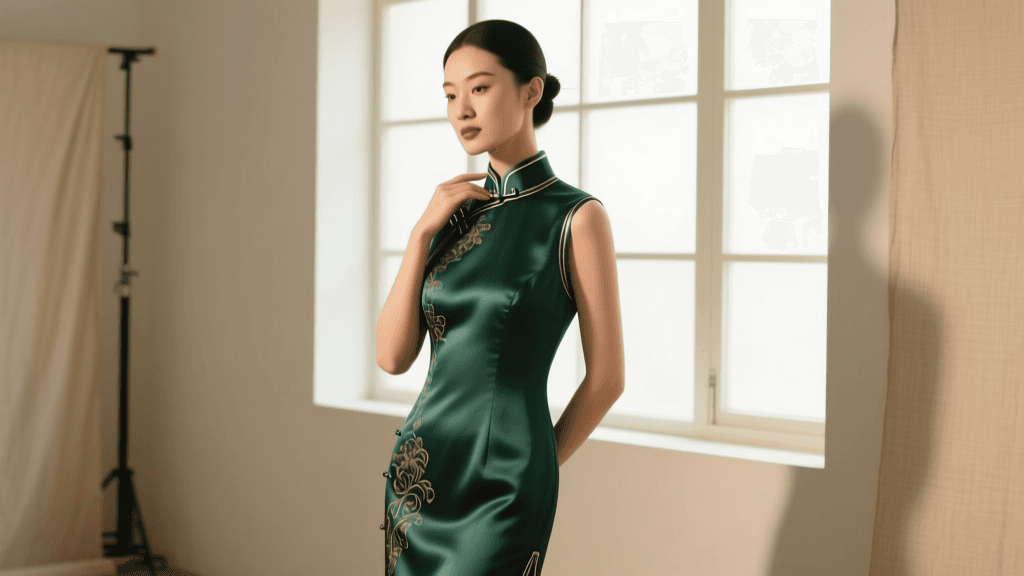
The qipao, also known as the cheongsam, has firmly transcended its mid-century origins to become a dynamic staple of modern global wardrobes. In 2026, the demand for authentic, custom-tailored qipaos has surged, driven by a renewed appreciation for slow fashion, heritage textiles, and garments that offer a bespoke fit. However, navigating the digital landscape to find genuine artisans—rather than mass-produced, fast-fashion knockoffs—requires strategic know-how. Whether you are looking for a traditional silk brocade piece for a wedding or a modern, minimalist crepe de chine qipao for everyday wear, understanding the nuances of online marketplaces is essential.
This comprehensive guide will walk you through the best online platforms for sourcing custom qipaos in 2026, how to communicate with overseas tailors, the precise measurements you need, and how to verify the authenticity of heritage silks.
Choosing Your Online Marketplace
The internet has democratized access to master tailors in Shanghai, Suzhou, and the global diaspora. However, each platform caters to a different type of buyer, budget, and patience level. Below is a comparison of the primary marketplaces for custom qipaos in 2026.
| Platform | Best For | 2026 Price Range (USD) | Lead Time | Communication |
|---|---|---|---|---|
| Taobao (via Agent) | Direct access to Shanghai/Suzhou tailors, vast fabric choices | $150 - $600 | 3-5 weeks | Requires translation tools, async messaging |
| Etsy | Diaspora artisans, vintage upcycling, English-speaking sellers | $250 - $850 | 4-8 weeks | English, direct messaging, buyer protection |
| WeChat/IG Ateliers | Bespoke luxury, high-end Xiangyunsha silk, 1-on-1 design | $800 - $2,500+ | 6-12 weeks | English/Mandarin, video consultations |
Navigating Taobao for International Buyers
Taobao remains the undisputed king of direct-from-maker garment sourcing. In 2026, international buyers typically access Taobao through trusted shopping agents like CSSBuy or Superbuy. These agents purchase the item on your behalf, receive it at their domestic warehouse, and ship it internationally.
To find genuine custom tailors rather than drop-shippers, use specific Mandarin search terms. Search for 旗袍 定制 (Qipao custom) or 真丝 旗袍 手工 (Silk qipao handmade). Look for shops that require you to send your measurements via their customer service chat (AliWangWang) before purchasing. If a shop allows you to simply select 'S/M/L' and checkout, it is not a bespoke tailor.
Etsy and the Diaspora Artisan
For buyers who prefer seamless English communication and robust buyer protection, Etsy hosts a growing community of second-generation Asian designers and diaspora tailors. These sellers often blend traditional construction techniques—such as hand-rolled hems and traditional frog button (pankou) knotting—with modern, inclusive sizing and contemporary styling. While the base price is higher than Taobao, you are paying for accessibility, ethical labor transparency, and zero language barriers.
The Art of the Measurement
A true qipao is renowned for its precise, flattering fit. Unlike Western dressmaking, which often incorporates significant 'ease' (extra room for movement) into the pattern, a traditional qipao is cut close to the body. When ordering online, never send your desired garment measurements. Always send your exact, bare body measurements. The tailor will calculate the necessary ease based on the fabric's stretch and the garment's intended use.
Use a soft fiberglass measuring tape and have a friend assist you. You will need to provide the following:
- Bust: Measure around the fullest part of your chest, keeping the tape level across your back.
- Waist: Measure at your natural waistline (the narrowest part of your torso, usually just above the navel).
- Hips: Measure around the fullest part of your hips and buttocks.
- Shoulder Width: Measure from the edge of one shoulder bone to the other, across the back of the neck.
- Armhole Depth: Crucial for the qipao's mobility. Measure from the shoulder seam down through the armpit and back up to the shoulder. A poorly measured armhole will restrict arm movement entirely.
- Hollow to Hem: Measure from the hollow at the base of your front neck down to your desired hemline (e.g., mid-calf or ankle).
- Sleeve Length: From the shoulder edge to the desired cuff placement.
Pro Tip for 2026: Many top-tier Taobao and WeChat tailors now offer AI-assisted body scanning via their proprietary mini-programs. While convenient, traditional tape measurements verified by a human tailor via video call remain the gold standard for avoiding costly alterations.
Fabric Selection and Heritage Silks
The soul of a qipao lies in its textile. When browsing online listings, you will encounter a myriad of fabric names. It is vital to distinguish between genuine heritage silks and modern synthetic blends marketed under deceptive names like 'ice silk' or 'milk silk' (which are typically rayon or polyester blends).
Xiangyunsha (Gambiered Gauze)
One of the most coveted textiles for luxury qipaos is Xiangyunsha, a silk fabric dyed with yam juice and mud, resulting in a distinctive dark, crackled finish that is cool to the touch and naturally antibacterial. The craftsmanship behind this textile is so significant that it is recognized by the UNESCO Intangible Cultural Heritage list, which details the centuries-old sericulture and silk craftsmanship techniques native to the region. Genuine Xiangyunsha is expensive; if a tailor offers a full custom Xiangyunsha qipao for under $300 USD, it is likely a synthetic imitation.
Song Brocade and Jacquard
For formal events and weddings, Song Brocade offers a heavy, structured drape with intricate, woven metallic or silk patterns. When shopping online, request a video call to see the fabric in natural light. Authentic brocade will have a distinct reverse side where the threads are carried over, whereas printed synthetic imitations will look identical on both sides or show a pixelated print pattern.
For a deeper understanding of the historical context and regional variations of Asian silk textiles, the Metropolitan Museum of Art's Asian Art Department provides extensive archives and essays that can help you identify traditional motifs, such as peonies, cranes, and plum blossoms, ensuring your custom garment respects cultural symbolism.
The Mock-Up (Toile) and Final Fitting
When commissioning a high-end qipao (typically those priced over $500), always negotiate a 'muslin' or 'toile' fitting. This is a mock-up of the garment made from cheap cotton. The tailor will ship this mock-up to you first. You try it on, take photos and videos of the fit (paying special attention to drag lines around the bust, the tightness of the collar, and the hip ease), and send them back. The tailor then adjusts the final silk pattern accordingly.
While this adds two weeks to your lead time and incurs an extra $20-$30 in international shipping, it is the single most effective way to guarantee a flawless fit when you cannot visit the atelier in person.
Pricing, Shipping, and Customs in 2026
Budgeting for a custom qipao involves more than just the base price of the dress. Here is a breakdown of expected costs for an international buyer in 2026:
- Garment Cost: $200 - $800 (depending on fabric and hand-embroidery).
- Agent Service Fee (Taobao): 5% - 8% of the item price.
- Domestic Shipping (Tailor to Agent): $5 - $10.
- International Shipping (Agent to You): $25 - $60 via DHL/FedEx for a 1kg package.
- Pankou (Frog Buttons) Upgrades: Hand-knotted, intricate floral pankou buttons can add $50 - $150 to your final bill, but they elevate the garment from standard to couture.
Be aware of your country's 2026 import tax thresholds. Most shopping agents allow you to declare a lower value for customs purposes, but doing so carries the risk of package seizure or fines. Always factor a potential 10-20% customs duty into your overall budget.
Red Flags to Avoid
As the qipao grows in global popularity, so do predatory online sellers. Watch out for these red flags:
- AI-Generated Product Photos: In 2026, many low-tier shops use AI to generate images of models wearing impossible fabrics. If the fabric drape looks physically unnatural or the frog buttons melt into the background, reverse-image search the photo or demand a raw, unedited video of the physical sample.
- 'One Size' Customization: If a shop claims to offer 'custom sizing' but only asks for your height and weight, run. A true qipao requires at least 6 to 8 specific circumference and length measurements.
- Zipper Placement: While modern qipaos often use invisible back zippers for convenience, a traditional, high-quality bespoke qipao will feature a side zipper that stops at the hip, with the remainder of the side seam closed by hand-rolled snaps or hooks to maintain the integrity of the side slits.
Conclusion
Commissioning a custom qipao online in 2026 is a deeply rewarding process that connects you directly with master artisans and centuries of textile history. By choosing the right marketplace, providing meticulous measurements, and educating yourself on heritage silks, you can bypass the fast-fashion noise and invest in a bespoke garment that fits flawlessly and honors the rich legacy of Asian traditional dress. Take your time, communicate clearly with your tailor, and enjoy the journey of bringing your dream qipao to life.