Xin Zhongshi 2026: Chinese Fashion at Global Design Weeks
The Global Ascent of Xin Zhongshi in 2026
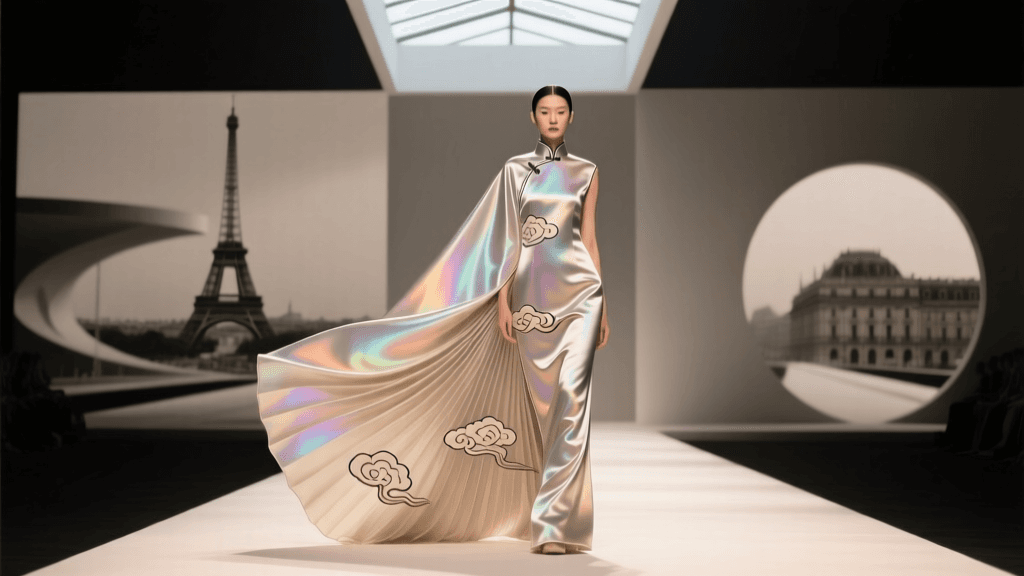
The year 2026 marks a definitive turning point for traditional Asian garments on the international stage. What began as a domestic cultural renaissance has fully matured into a global sartorial powerhouse. The Xin Zhongshi (New Chinese Style) movement is no longer confined to regional street style or niche cultural festivals; it is now a dominant force at Paris, Milan, and London Design Weeks. International buyers, fashion critics, and textile historians are closely observing how contemporary Chinese designers are translating centuries-old silhouettes into modern, wearable high fashion. By merging ancient weaving techniques with 2026 sustainable textile innovations, these designers are redefining global luxury.
This comprehensive guide explores the specific garments, fabric technologies, and cultural exhibitions that are shaping the Chinese fashion narrative at international design weeks in 2026. Whether you are an industry buyer, a textile researcher, or a dedicated enthusiast of Asian traditions, understanding these runway trends is essential for navigating the current luxury market.
Key Garments Redefining the 2026 Runways
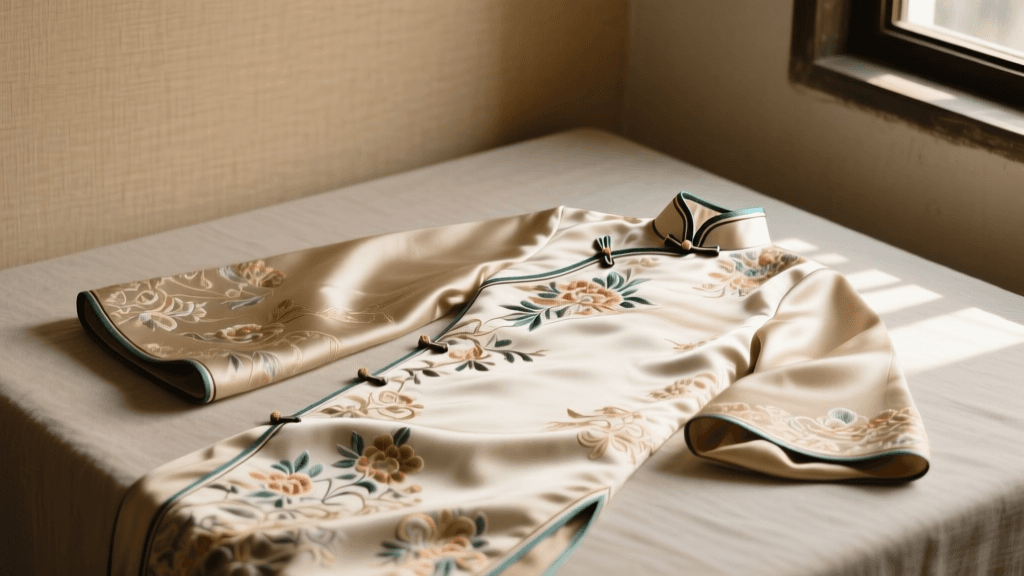
The 2026 Spring/Summer and Autumn/Winter seasons have seen a distinct shift away from superficial Orientalist motifs (such as generic dragon embroidery or basic cheongsam collars) toward a deep, structural appreciation of historical Chinese garment engineering. Three specific garments have captured the attention of the global fashion press.
The Modernized Mamianqun (Horse-Face Skirt)
The Mamianqun, a wrap-around skirt characterized by its flat front and back panels flanked by intricate knife pleats, has become a staple on the Paris runways. In 2026, designers are moving beyond heavy brocades and experimenting with advanced sustainable textiles. We are seeing the introduction of recycled PET-blended organza and cruelty-free peace silk, which allow for voluminous, architectural pleats that maintain their 4cm to 6cm structural integrity without the need for heavy chemical stiffeners. The drape analysis of these modern Mamianqun skirts reveals a fluid, kinetic movement that appeals to the contemporary demand for dynamic, gender-fluid fashion.
Xiangyunsha: The "Soft Gold" of Milan
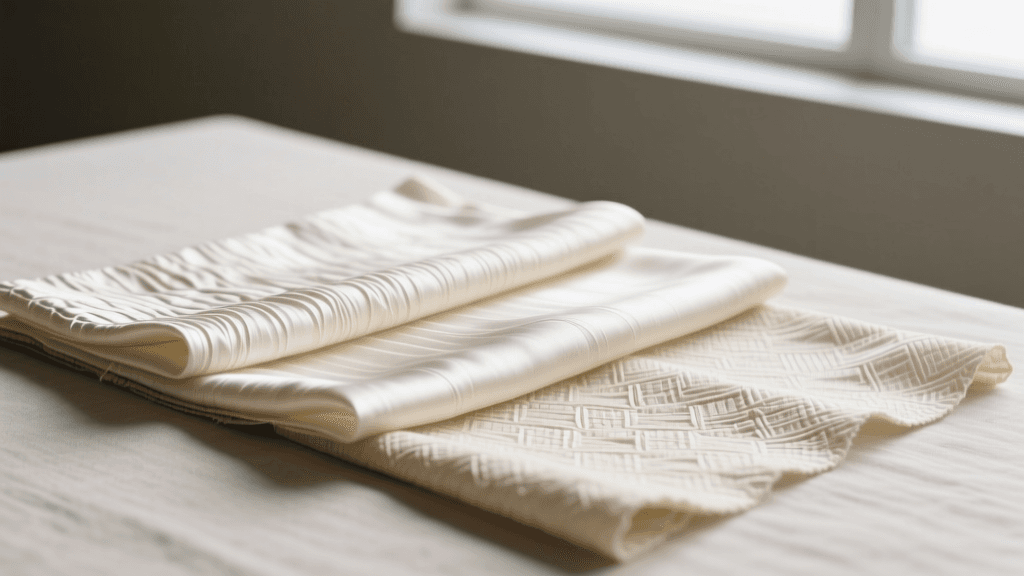
At Milan Fashion Week, the spotlight has fallen heavily on Xiangyunsha (Gambiered Canton Gauze). Recognized by UNESCO's Intangible Cultural Heritage list, this ancient dyeing technique involves treating silk with the juice of the Dioscorea cirrhosa tuber and iron-rich river mud. The result is a dual-toned fabric—deep umber on one side and glossy black on the other—that is naturally water-resistant, antimicrobial, and incredibly breathable. In 2026, due to the scarcity of artisanal labor and the strict ecological protections placed on the Pearl River Delta mud flats, authentic Xiangyunsha has reached luxury pricing tiers, often retailing between $1,200 and $3,500 USD for a single tailored jacket.
Song-Style Minimalist Tailoring
Drawing inspiration from the Song Dynasty's emphasis on understated elegance, designers are integrating narrow sleeves, standing collars, and subtle side-fastening ties into Western-style suiting. The 2026 collections feature elongated, unlined coats made from raw silk crepe, offering a masterclass in fabric drape. As documented in the Victoria and Albert Museum's Chinese textile archives, the historical precedent for this minimalist approach prioritizes the natural behavior of the fiber over rigid tailoring, a philosophy that perfectly aligns with 2026's global shift toward relaxed, mindful luxury.
2026 International Design Week Showcase Matrix
The following table highlights key brands and their specific contributions to the Xin Zhongshi movement during the 2026 international design week circuit, including retail pricing and textile innovations.
| Brand / Designer | Design Week | Key Garment Showcased | 2026 Retail Price (USD) | Textile Innovation |
|---|---|---|---|---|
| Samuel Guì Yang | London / Paris | Deconstructed Mamianqun Suit | $850 - $1,400 | Bio-resin coated linen pleats |
| Uma Wang | Milan | Xiangyunsha Trench Coat | $2,800 - $4,200 | Double-layered mud-dyed gauze |
| Chen Peng | Paris | Songku Puffer Trousers | $600 - $950 | Recycled down in raw silk casings |
| Ming Ma | London | Jacquard Corset & Skirt Set | $1,100 - $1,800 | Traditional Yunjin brocade weaving |
Cultural Exhibitions: Beyond the Runway
The runway shows are only half of the story. In 2026, major international museums are hosting concurrent exhibitions that provide the historical context necessary to fully appreciate these modern designs. The Palais Galliera in Paris is currently hosting a landmark exhibition focusing on the Silk Road exchanges and their direct influence on contemporary Xin Zhongshi silhouettes. Meanwhile, the Metropolitan Museum of Art's Costume Institute has integrated extensive historical context regarding ancient sericulture, referencing resources like the Metropolitan Museum of Art's Heilbrunn Timeline of Art History to educate attendees on the thousands of years of textile mastery that inform today's collections.
These exhibitions are vital for buyers and journalists, as they highlight the immense technical skill required to produce traditional textiles. For instance, understanding the complex drawloom mechanics required to weave authentic Yunjin brocade explains the premium pricing and limited production runs seen on the 2026 runways.
Buyer’s Guide: Sourcing and Styling in 2026
For international consumers and boutique buyers looking to source authentic Xin Zhongshi pieces in 2026, navigating the market requires an understanding of both measurements and fabric care.
Sizing and Measurements
Unlike Western sizing, which often relies on standardized numerical scales, traditional Chinese garments prioritize modular adjustability. When sourcing a Mamianqun, buyers should focus on the waist-to-hip drop and the total length. In 2026, the standard runway length for a Mamianqun is designed to rest exactly 2 centimeters above the ankle bone to accommodate both traditional embroidered flats and modern chunky loafers. Ensure the waistband features the traditional dual-tie system, allowing for a customizable fit that accommodates fluctuations in body measurements without altering the garment's structural pleats.
Fabric Care and Maintenance
Maintaining these garments requires specialized care. Xiangyunsha silk must never be dry-cleaned with harsh chemical solvents, as this strips the natural mud-dye patina that gives the fabric its unique luster and antimicrobial properties. Instead, it should be hand-washed in cool water with a pH-neutral silk detergent and air-dried in the shade. For structured Mamianqun skirts made from blended organzas, storing them flat or rolled is imperative in 2026; hanging them for prolonged periods can cause the upper pleats to stretch and distort under the garment's own weight.
Conclusion
The integration of Chinese fashion into international design weeks in 2026 is not a fleeting trend; it is a permanent recalibration of the global luxury landscape. By respecting the engineering of the Mamianqun, preserving the ecological heritage of Xiangyunsha, and embracing the philosophical minimalism of Song-style tailoring, the Xin Zhongshi movement offers a sophisticated, sustainable alternative to fast fashion. As these garments continue to cross borders and captivate audiences from Paris to Milan, they carry with them the profound weight of Asian traditions, reimagined for the modern world.