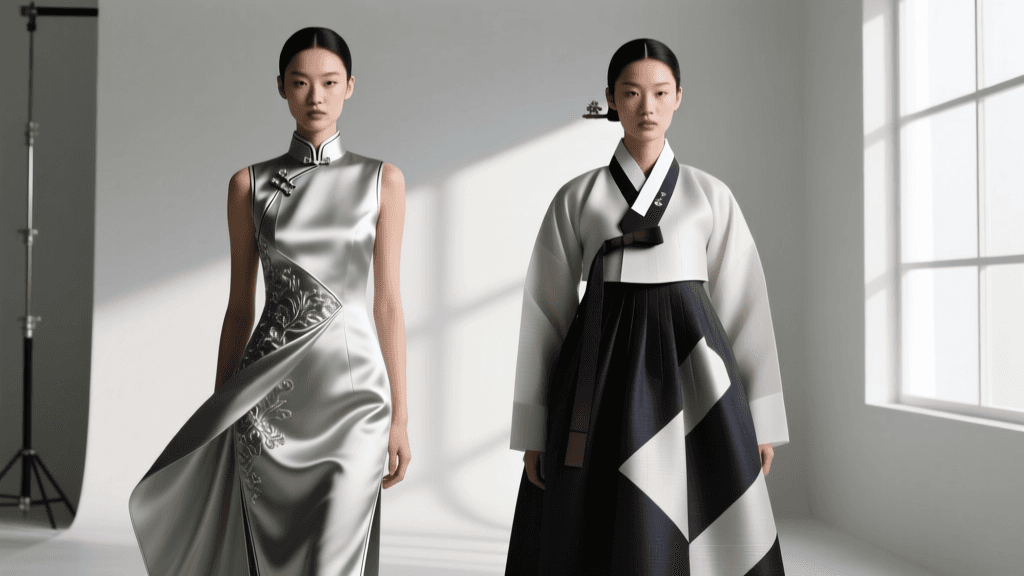
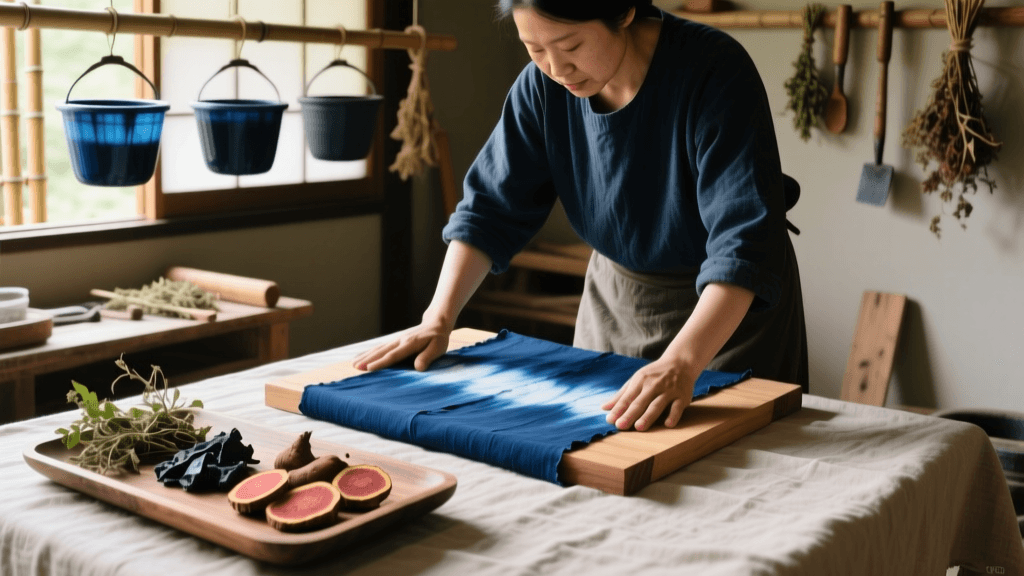
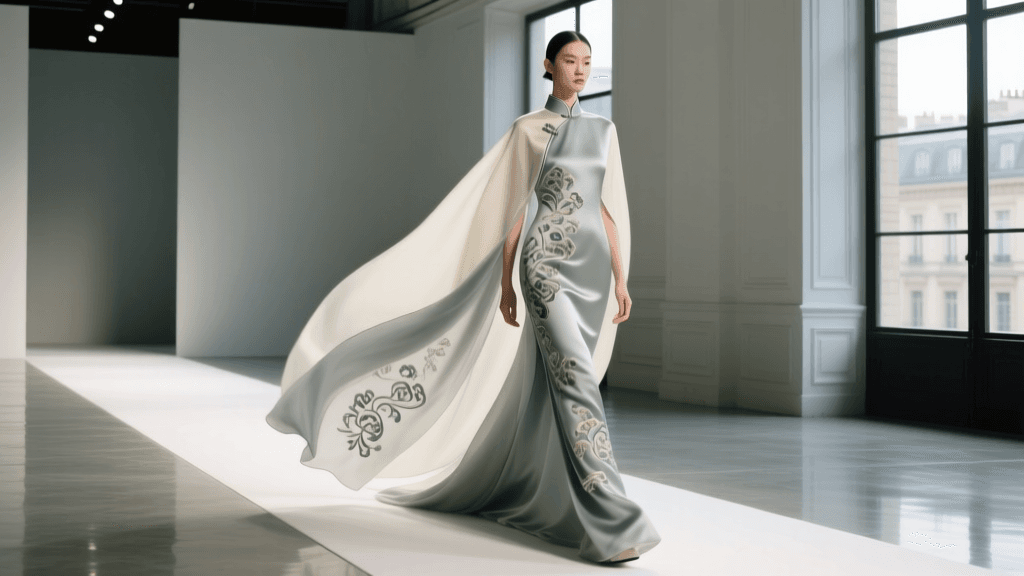
Best Online Marketplaces for Custom Hanbok & Cheongsam 2026
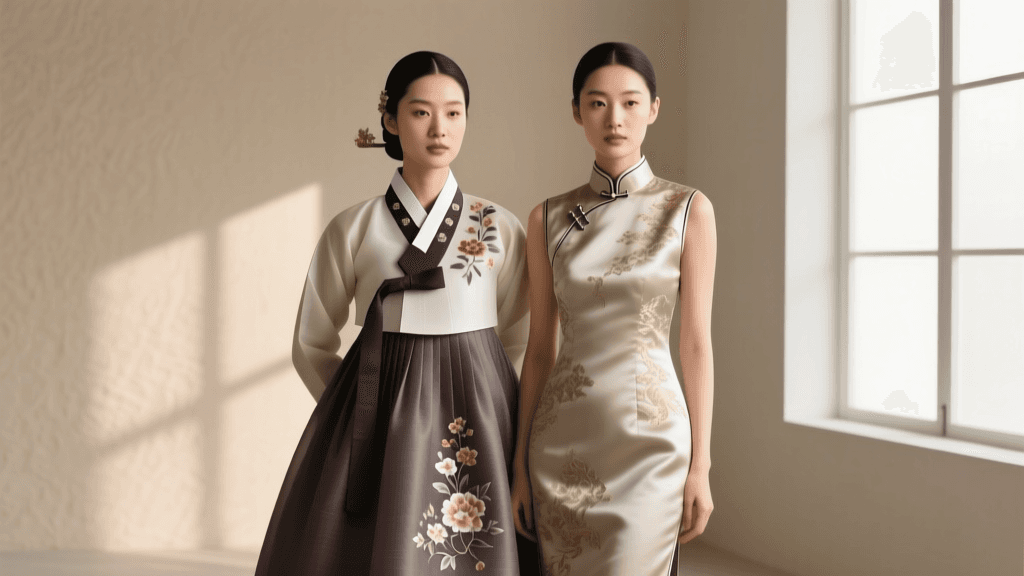
The 2026 E-Commerce Landscape for Traditional Asian Garments
The global appetite for authentic Asian traditional garments has reached unprecedented heights in 2026. Driven by a renewed interest in cultural heritage and the mainstreaming of traditional aesthetics in global fashion, consumers are increasingly looking to purchase custom-tailored Hanbok and Cheongsam (Qipao) directly from artisans. However, the cross-border e-commerce landscape is a double-edged sword. While advanced logistics and AI-assisted translation have made it easier than ever to commission a bespoke garment from a master tailor in Seoul or Shanghai, the market is simultaneously flooded with mass-produced, synthetic dropshipped replicas masquerading as authentic cultural attire.
Whether you are sourcing a traditional Hanbok for a wedding, a modernized Cheongsam for a gala, or investing in heritage textiles for your wardrobe, knowing where and how to shop is critical. According to the Metropolitan Museum of Art's Heilbrunn Timeline of Art History, the evolution of garments like the Qipao reflects deep socio-cultural shifts, making the preservation of its tailoring techniques paramount. Similarly, the official Korea.net guide to Hanbok emphasizes the structural integrity and philosophical significance of traditional Korean silhouettes. This comprehensive 2026 buyer's guide will help you navigate online marketplaces, verify authentic artisans, and successfully commission your custom garments.
Spotting True Artisans vs. Fast-Fashion Dropshippers
Before adding a garment to your cart, you must learn to differentiate between a genuine atelier and a fast-fashion dropshipper. In 2026, dropshippers have become highly sophisticated, often using AI-generated imagery or stolen photography from independent designers to sell cheap, factory-made alternatives. Here is how to verify authenticity:
- Construction Details: Authentic Cheongsam feature hand-rolled hems, meticulously crafted Pankou (knotted) buttons, and bias-cut silk that allows the garment to drape naturally without pulling. Mass-produced versions use glued collars, plastic imitation knots, and straight-cut synthetic fabrics.
- Seam Finishing: True Hanbok makers utilize French seams or traditional flat-felled seams to ensure the garment is as beautiful on the inside as the outside. Dropshipped items will show raw, serged edges.
- Communication and Process: A genuine artisan will ask for a minimum of 8 to 12 specific body measurements and will discuss fabric drape, lining options, and seasonal suitability. If a seller only asks for standard S/M/L sizing or generic height/weight, you are buying factory-made stock.
- Price Transparency: Authentic silk brocade and hand-woven ramie are expensive. If a '100% silk' custom Hanbok is priced under $150 USD, it is almost certainly a polyester blend.
Top Online Marketplaces and Direct Boutiques
Choosing the right platform dictates your buyer protection, communication ease, and final garment quality. Below is a comparison of the primary avenues for sourcing custom traditional garments in 2026.
| Marketplace / Platform | Best For | Average Custom Price (2026) | Lead Time | Authenticity Guarantee |
|---|---|---|---|---|
| Etsy (Verified Artisans) | Beginners seeking buyer protection and English communication. | $350 - $800 | 4 - 8 Weeks | Medium (Requires vetting seller reviews) |
| Taobao via Proxy (Superbuy/Wegobuy) | Advanced buyers seeking direct access to Chinese Qipao tailors. | $200 - $600 | 3 - 5 Weeks | Low (High risk of fakes; requires deep research) |
| Direct Korean Ateliers (e.g., Hanbok Story, Leesle) | Premium, authentic Hanbok with modernized or strict traditional cuts. | $500 - $1,500+ | 6 - 10 Weeks | High (Direct from established heritage brands) |
| WeChat Private Boutiques | Bespoke, high-end Cheongsam using heritage Songhua brocade. | $800 - $2,500+ | 8 - 12 Weeks | High (Referral-based, master tailor direct) |
For most international buyers in 2026, starting with verified independent artisans on Etsy or commissioning directly from established Korean heritage brands offers the best balance of quality, communication, and security. Taobao proxies are excellent for sourcing raw fabrics or ready-to-wear modernized pieces, but custom tailoring through a proxy introduces significant measurement translation errors.
The Art of Custom Measurement: A Step-by-Step Guide
The beauty of both the Hanbok and the Cheongsam lies in their precise fit and structural geometry. In 2026, while some apps claim to use smartphone LiDAR to scan your body, master tailors still require manual measurements taken with a soft tailor's tape measure. Always have a friend take these measurements while you wear the undergarments you plan to wear with the final garment.
Essential Hanbok Measurements
- Bust (Full): Measure around the fullest part of the chest.
- Underbust (Chima Tie): Crucial for traditional Chima (skirt) placement, which sits high above the natural waist.
- Shoulder Width: From the edge of one shoulder bone to the other across the back.
- Nape to Wrist: With arm slightly bent, measure from the prominent bone at the base of the neck to the wrist bone.
- Waist to Ankle: For the Chima length, measure from the underbust down to the desired hemline (typically 1-2 inches above the floor when wearing traditional shoes).
Essential Cheongsam (Qipao) Measurements
- Bust, Waist, and Hips: The Cheongsam is unforgiving; these three measurements must be exact to ensure the signature silhouette without restricting breathing.
- Armhole Depth: Measured from the top of the shoulder down to the armpit crease. A poorly measured armhole will cause the entire garment to ride up when you lift your arms.
- Neck Circumference: The Mandarin collar must be snug but comfortable. Measure with one finger resting inside the tape to allow for breathing room.
- Nape to Hem: Measure from the base of the neck down to the desired knee or calf length.
Fabric Selection: Navigating Silk, Ramie, and Modern Blends
The textile you choose will dictate the garment's drape, longevity, and appropriate use-case. In 2026, sustainable and heritage-weave fabrics are highly sought after by discerning collectors.
For Hanbok: Traditionalists seek out Myeongju (a lightweight, durable Korean silk) for spring and autumn wear, and Mosi (fine ramie) for summer. Ramie is highly breathable and holds its crisp, structured shape beautifully, which is essential for the voluminous lines of the Hanbok. For winter, silk padded with cotton or modern thermal linings is standard.
For Cheongsam: Songhua brocade and Shunfeng crepe silk remain the gold standards. Brocade offers a stiff, luxurious structure perfect for formal evening wear and intricate embroidery. Crepe silk offers a fluid, water-like drape ideal for everyday or modernized, form-fitting Qipaos. Recently, Ahimsa (peace) silk has gained massive popularity among eco-conscious buyers, offering a cruelty-free alternative that maintains the luxurious luster of traditional mulberry silk.
Navigating Cross-Border Shipping and Customs in 2026
Ordering a custom garment from Asia involves navigating international shipping and customs regulations. In 2026, most major Asian courier services (such as EMS, SF Express, and DHL) have integrated seamlessly with global tax systems.
For buyers in the European Union, the Import One-Stop Shop (IOSS) system means you will likely pay your VAT at the point of checkout on platforms like Etsy or direct boutique sites, preventing surprise fees upon delivery. For US-based buyers, the de minimis threshold (currently $800 USD) generally protects personal garment imports from heavy duties, though state-level sales taxes may still apply at checkout. Always request that the tailor provide a detailed commercial invoice that accurately describes the item as 'Custom Tailored Silk Garment' rather than a vague 'Costume' or 'Apparel' tag, which can trigger unnecessary customs inspections or misclassification fees.
Conclusion
Commissioning a custom Hanbok or Cheongsam online in 2026 is a deeply rewarding process that connects you directly with the living heritage of Asian textile arts. By bypassing fast-fashion dropshippers and engaging directly with verified artisans, taking meticulous measurements, and selecting heritage fabrics, you are not just buying a piece of clothing—you are investing in a wearable piece of history. Take your time to research your chosen tailor, communicate your vision clearly, and prepare to receive a garment that will last a lifetime.